
Wilfred Owen: the poet who wrote of war’s pity
From Shropshire and the trenches of France to poems published after his death, Wilfred Owen gave enduring form to the human cost of the First World War.
Read the entryFrom Shropshire and the trenches of France to poems published after his death, Wilfred Owen gave enduring form to the human cost of the First World War.
Read the entry
From rural County Londonderry to the Nobel Prize, Heaney joined close attention to place with an exacting engagement with language, history and political life.
Read the entry
Born in York, Wystan Hugh Auden became one of the twentieth century’s most technically inventive poets. His British career, American years and restless range resist a single label.
Read the entry
From Swansea notebooks and BBC broadcasts to the village voices of Under Milk Wood, Thomas made Welsh places and the sound of words central to a distinctive poetic career.
Read the entry
A poet of private feeling and public conscience, Elizabeth Barrett Browning joined literary ambition to arguments about labour, slavery and women’s lives.
Read the entry
From the unsettling speakers of “My Last Duchess” to the many perspectives of The Ring and the Book, Browning made character itself a dramatic force in Victorian poetry.
Read the entry
From the haunting voyage of The Rime of the Ancient Mariner to influential writing on poetry and philosophy, Coleridge helped shape English Romanticism.
Read the entry
From his expulsion from Oxford to the poems that carried his arguments into later generations, Shelley joined lyrical invention to challenges against political and religious authority.
Read the entry
A London-born poet and royal servant made Middle English a vehicle for ambitious poetry, satire and a vivid cast of voices.
Read the entry
From medical training in London to the poems that reshaped his posthumous reputation, Keats made a lasting contribution to English literature in a life cut short at 25.
Read the entry
The author of Paradise Lost brought the scale of classical epic to English blank verse and argued fiercely about political and religious liberty.
Read the entry
From Stratford-upon-Avon to the London playhouses, Shakespeare made theatre a vehicle for history, comedy, tragedy and the scrutiny of human motives.
Read the entryIrish-born playwright and critic whose London career joined theatrical invention to social argument.
Read the entry
From his arrival in England in 1914 to his work at Faber & Faber, Eliot joined modernist experiment to a long career in British letters.
Read the entry
From Cloud Nine and Top Girls to later experiments in form, Churchill has made the stage a place to examine how power shapes private lives.
Read the entry
From the experiments of Lyrical Ballads to the posthumous publication of The Prelude, Wordsworth made ordinary speech, personal feeling and the natural world central to a new kind of English poetry.
Read the entry
From Lucky Jim to The Old Devils, Amis turned academic life, social manners and everyday folly into enduring fiction.
Read the entry
From The Bloody Chamber to Nights at the Circus, Carter reshaped folklore and fiction through an audacious engagement with gender, power and the stories people tell.
Read the entry
From suffrage journalism to her landmark account of Yugoslavia, West brought political scrutiny and literary force to a wide range of subjects.
Read the entry
From The Good Companions to An Inspector Calls, Priestley joined Yorkshire storytelling to a searching interest in Britain’s social responsibilities.
Read the entry
From unsettling early fiction to Booker-winning Amsterdam and Atonement, McEwan has made moral uncertainty a defining subject of his work.
Read the entry
From Manchester to the international stage, Burgess made language, music and the moral questions of fiction central to a remarkable literary career.
Read the entry
The South African novelist used stories of private life to examine race, power and moral choice under apartheid.
Read the entry
The Trinidad-born novelist and essayist turned migration, empire and the search for belonging into a varied body of English-language writing.
Read the entry
From the north-west London of White Teeth and NW to The Fraud, Zadie Smith’s fiction and essays move between British life, history and wider questions of identity.
Read the entry
From the Booker-winning Possession to a quartet rooted in Yorkshire, Byatt made intellectual curiosity part of the pleasure of reading.
Read the entry
From The Rachel Papers to Money and London Fields, Martin Amis made the excesses and anxieties of contemporary life material for fiction.
Read the entry
The novelist’s French-set historical fiction sits alongside a career in journalism, broadcasting and literary reinvention.
Read the entry
From the Fens of Waterland to the London–Margate journey of Last Orders, Graham Swift made place and remembered experience central to his fiction.
Read the entry
The Aubrey–Maturin novels joined close attention to naval life with a sustained story of friendship, work and adventure.
Read the entry
From prize-winning children’s fiction to Booker-winning Moon Tiger, Lively made the past an active presence in stories for readers of every age.
Read the entry
The Booker-winning novelist made Thomas Cromwell the centre of a vivid Tudor trilogy and built a wide-ranging career in fiction, memoir and criticism.
Read the entry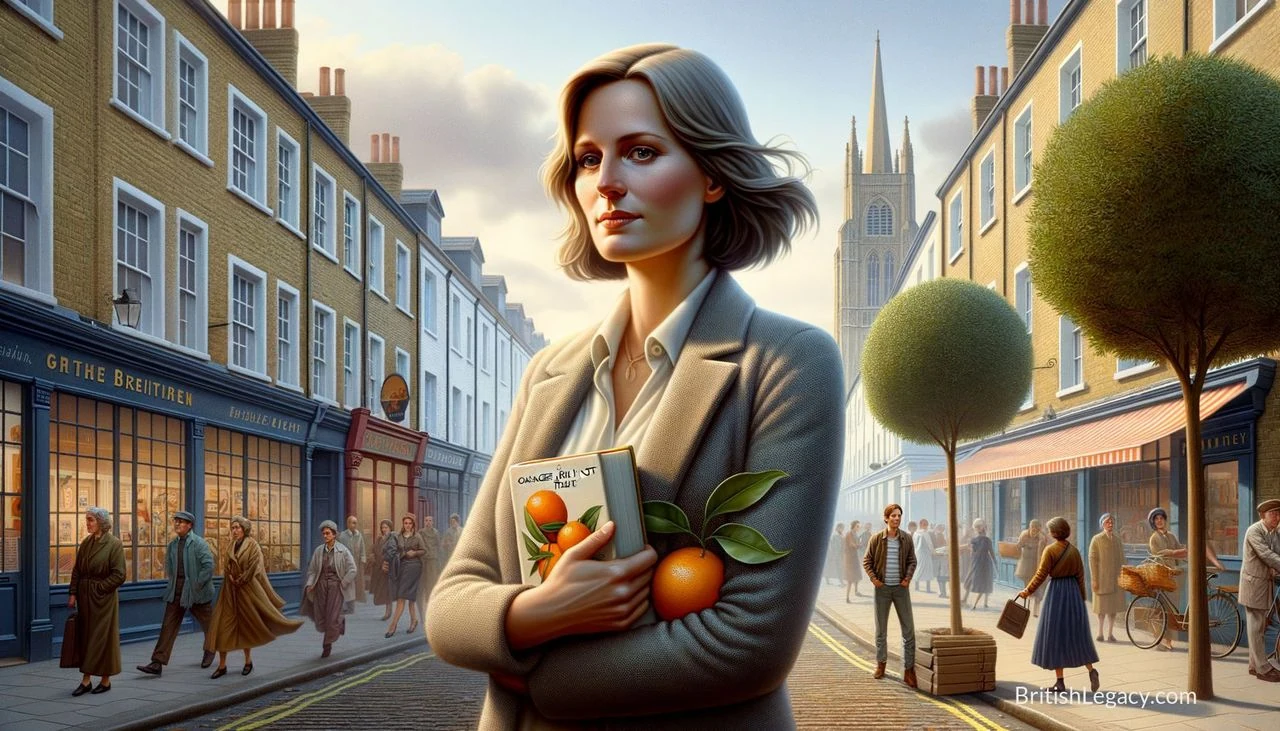
From a Pentecostal childhood in Lancashire to award-winning fiction, Winterson has made questions of identity, belief and form central to a distinctive literary career.
Read the entry
Born in Nagasaki and raised in Surrey, Ishiguro became a British citizen and one of the most widely recognised novelists writing in English.
Read the entry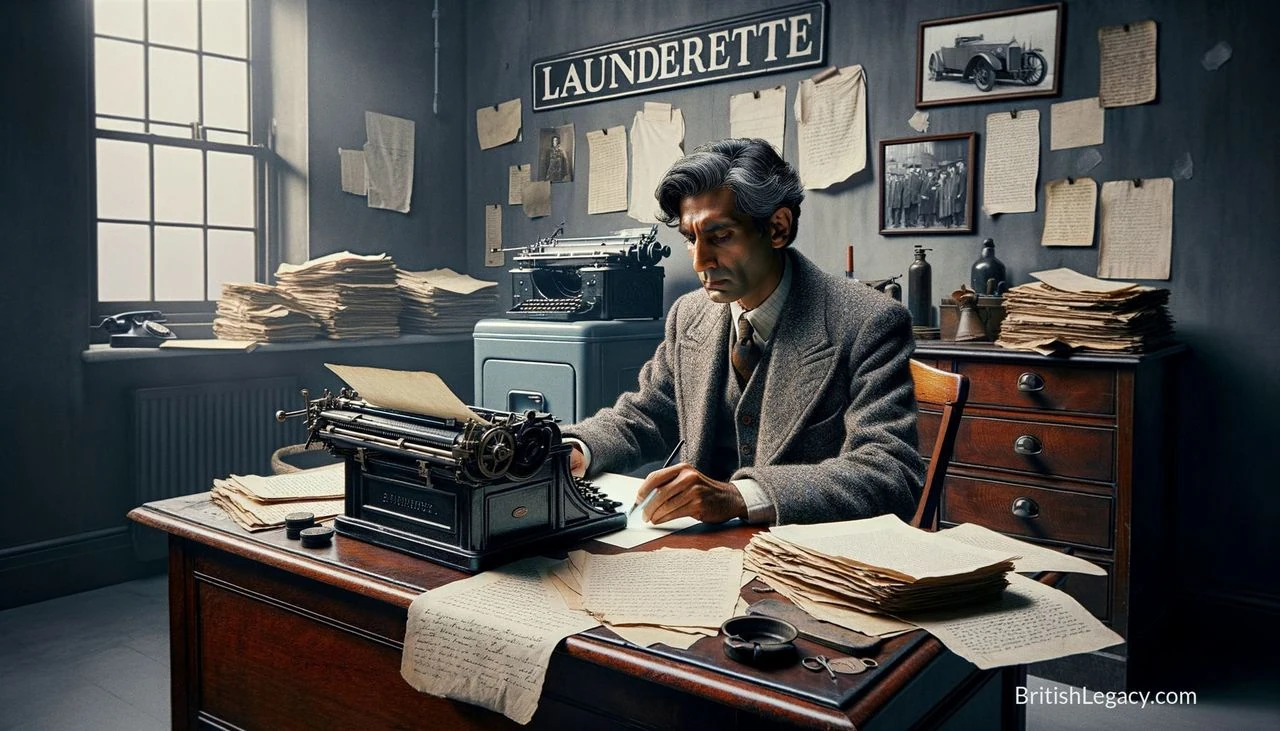
From My Beautiful Laundrette to The Buddha of Suburbia and Shattered, Kureishi has written about race, class, desire and belonging across film, fiction and memoir.
Read the entry
From Howards End to A Passage to India, Forster examined the barriers of class, empire and convention—and the human ties that might cross them.
Read the entry
From Metroland to his final novel, Barnes made the uncertainties of memory and identity the material of a distinctive English writing career.
Read the entry
From The Shepheardes Calender to The Faerie Queene, Spenser reshaped English verse while serving in Ireland.
Read the entry
From Edinburgh classrooms to the unsettling precision of The Prime of Miss Jean Brodie, Spark made authority, belief and human fallibility subjects for comedy and scrutiny.
Read the entry
The creator of The Forsyte Saga also brought questions of class, law and social responsibility to the stage.
Read the entry