
Charlotte Mason: an education built around the whole child
The Welsh-born educator developed a broad approach to learning and helped build a network of schools and resources that continues to influence home education.
Read the entryThe Welsh-born educator developed a broad approach to learning and helped build a network of schools and resources that continues to influence home education.
Read the entry
The American philosopher’s ideas travelled to Britain through educators and schools seeking more active, child-centred approaches to learning.
Read the entry
Pioneer of the nursery school movement, advocating for early childhood education and welfare.
Read the entry
The English psychologist helped bring mental testing into schools and advised on the 11-plus. His later twin research became the subject of a lasting scientific controversy.
Read the entry
From a Scottish village school to an experiment in democratic education, Neill put children’s freedom and happiness at the centre of a long-running debate.
Read the entry
A social researcher and political thinker, Webb helped found the LSE and shaped debates about poverty, work and the state.
Read the entry
A London school founded in 1864 began a history of educational work that led to Hogg’s better-known Polytechnic.
Read the entry
From New Lanark to New Harmony, Owen tested whether better education and working conditions could reshape society.
Read the entry
The Bristol-born writer and reformer used plays, religious tracts and schools to shape debate about education, poverty and the slave trade.
Read the entry
The Southwark schoolmaster developed an economical system for teaching large numbers of children—and carried his ideas from Britain to the Americas.
Read the entry
The Elizabethan schoolmaster argued for English as a language of learning and wrote about teaching, spelling and the educational value of football.
Read the entry
An educationist and writer, Grey helped organise a national campaign for better schooling for girls and helped establish a network of day schools and teacher training.
Read the entry
The English teacher and publisher made phonetic shorthand a practical tool for learning, publishing and everyday work.
Read the entry
The Oxford-educated novelist made Lord Peter Wimsey a vehicle for richer detective fiction, while her plays and Dante translations carried her work well beyond crime.
Read the entry
The Somerset-born philosopher connected education with experience and shaped debates on knowledge, government and religious toleration.
Read the entry
The Cambridge philosopher brought systematic analysis to moral theory and helped establish Newnham College as a place for women’s higher education.
Read the entry
From Cambridge mathematics to the Royal Mint, Newton joined abstract theory to practical work and changed how motion, gravity and light could be understood.
Read the entry
From his reforms at Rugby School to his brief Oxford professorship, Thomas Arnold helped shape Victorian ideas about education, religion and character.
Read the entry
The English writer and philosopher challenged the assumption that women were naturally inferior, arguing that unequal education—not unequal capacity—held them back.
Read the entry
The English theologian shaped the Oxford Movement, became a Catholic cardinal and set out an influential case for liberal education.
Read the entry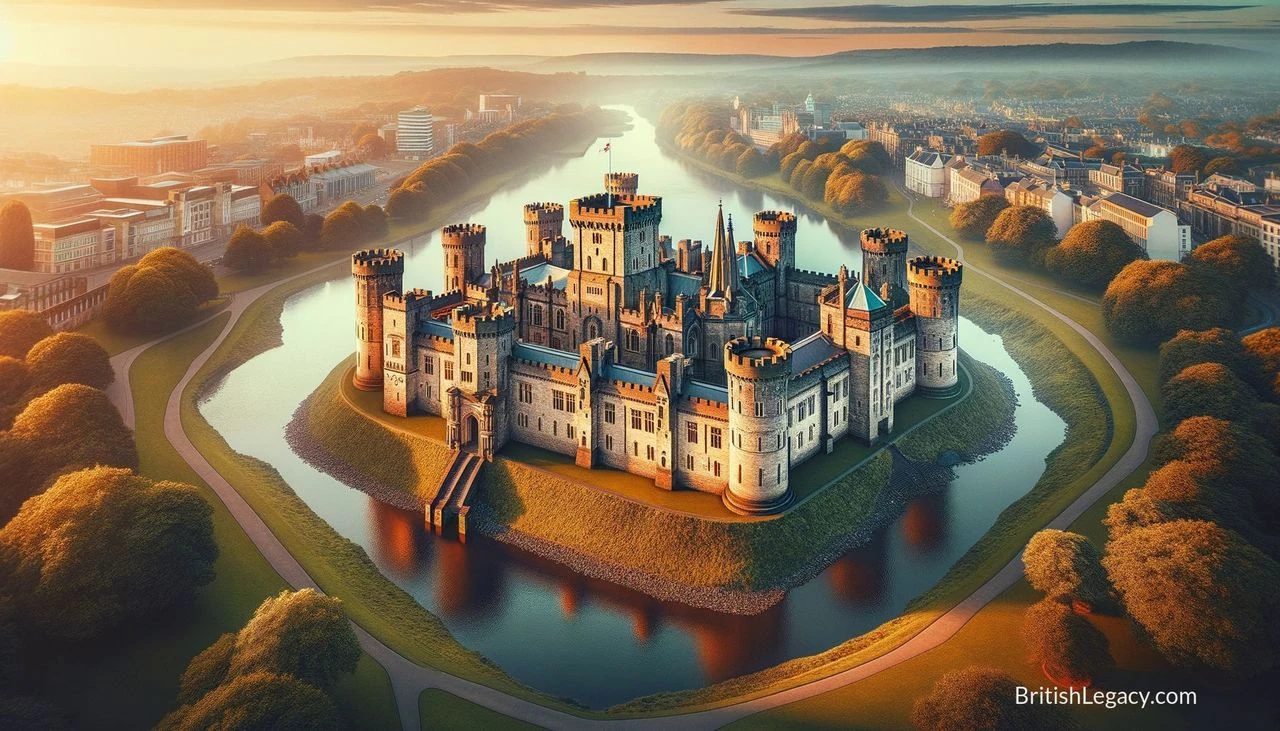
In the heart of the Welsh capital, Cardiff Castle brings together a Roman fort, a Norman stronghold and Victorian interiors shaped by the Bute family and architect William Burges.
Read the entry
High within Christopher Wren’s London cathedral, a curved gallery carries a whisper around its walls to a listener on the other side.
Read the entry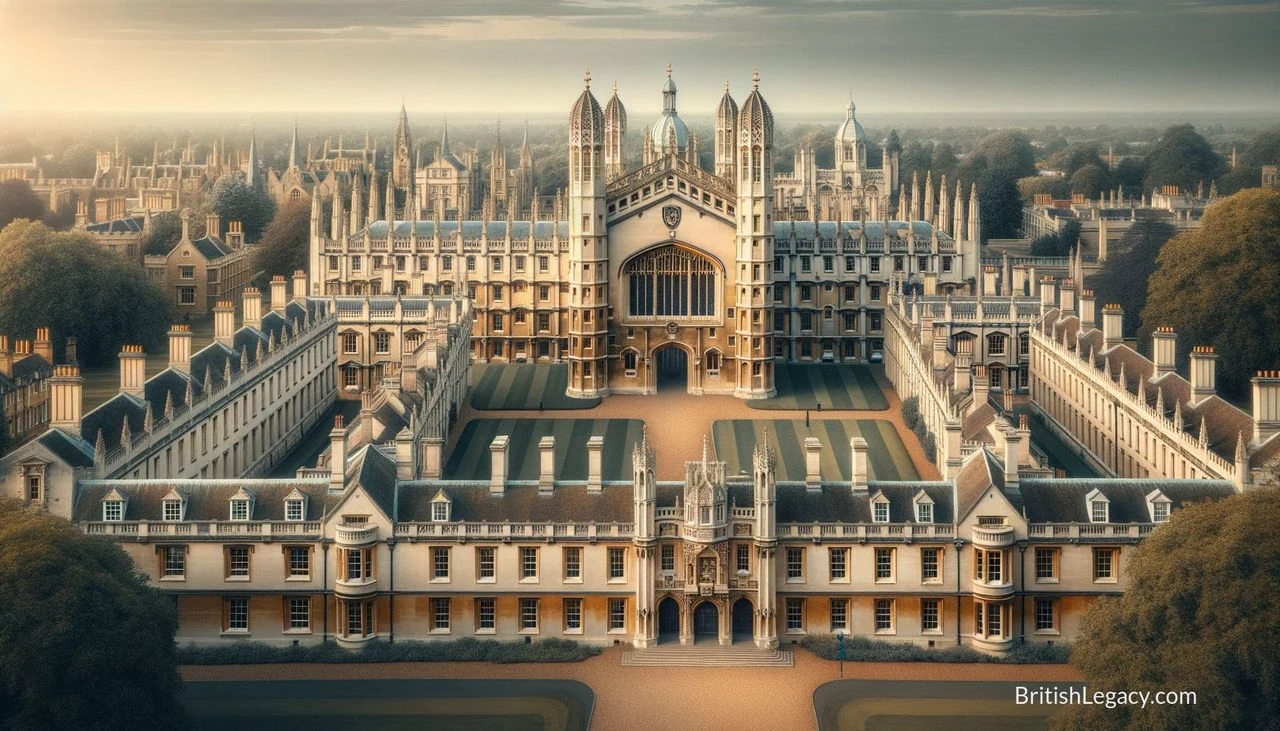
Thirty-one colleges shape Cambridge’s academic life, architectural character and long history.
Read the entry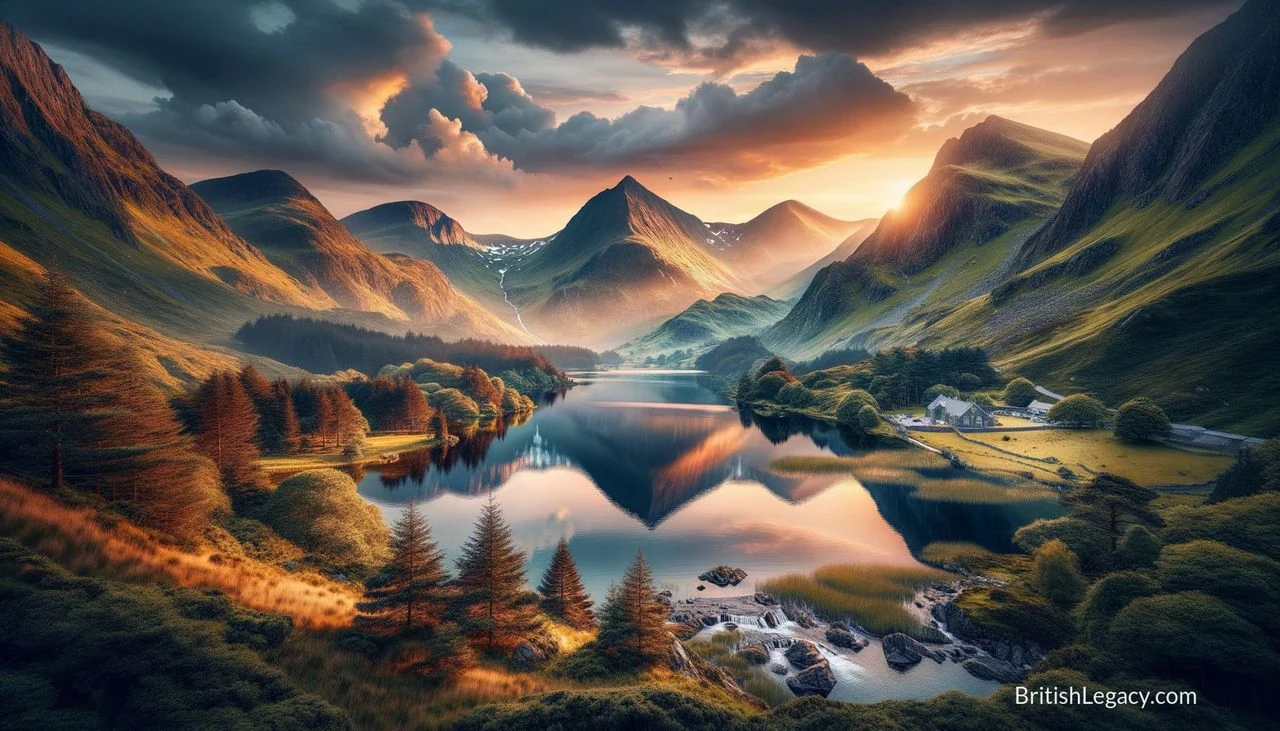
A landscape of mountain ranges, historic sites and Welsh-speaking communities in north Wales.
Read the entry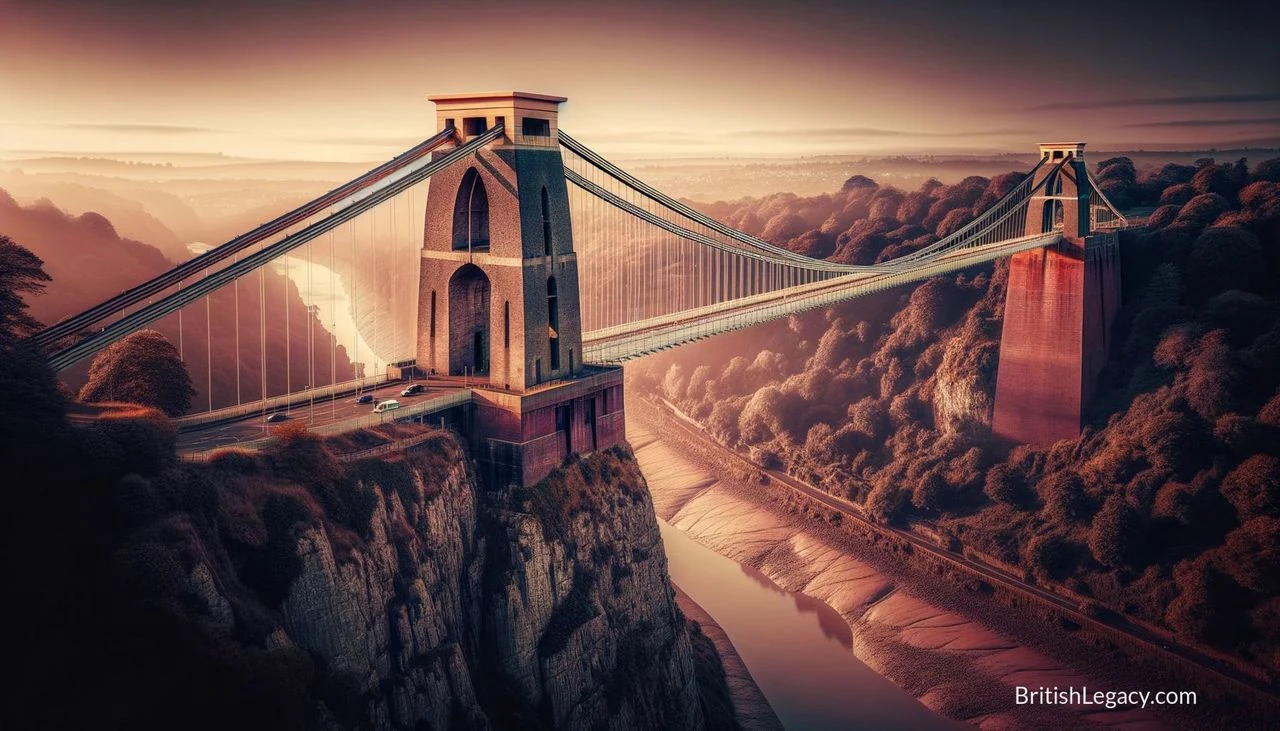
Designed by Isambard Kingdom Brunel, the bridge linking Clifton and Leigh Woods was completed after his death.
Read the entry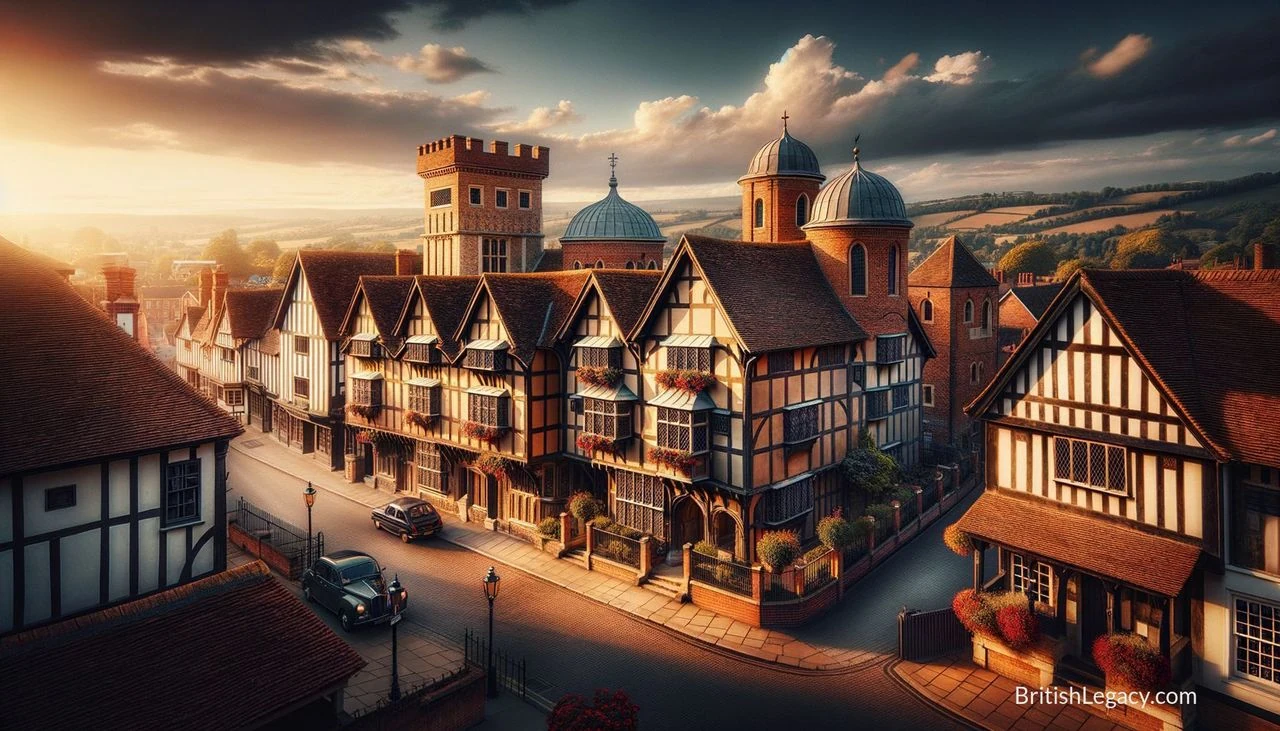
Founded after the purchase of Shakespeare’s birthplace in 1847, the Trust cares for historic properties, collections and archives in and around Stratford-upon-Avon.
Read the entry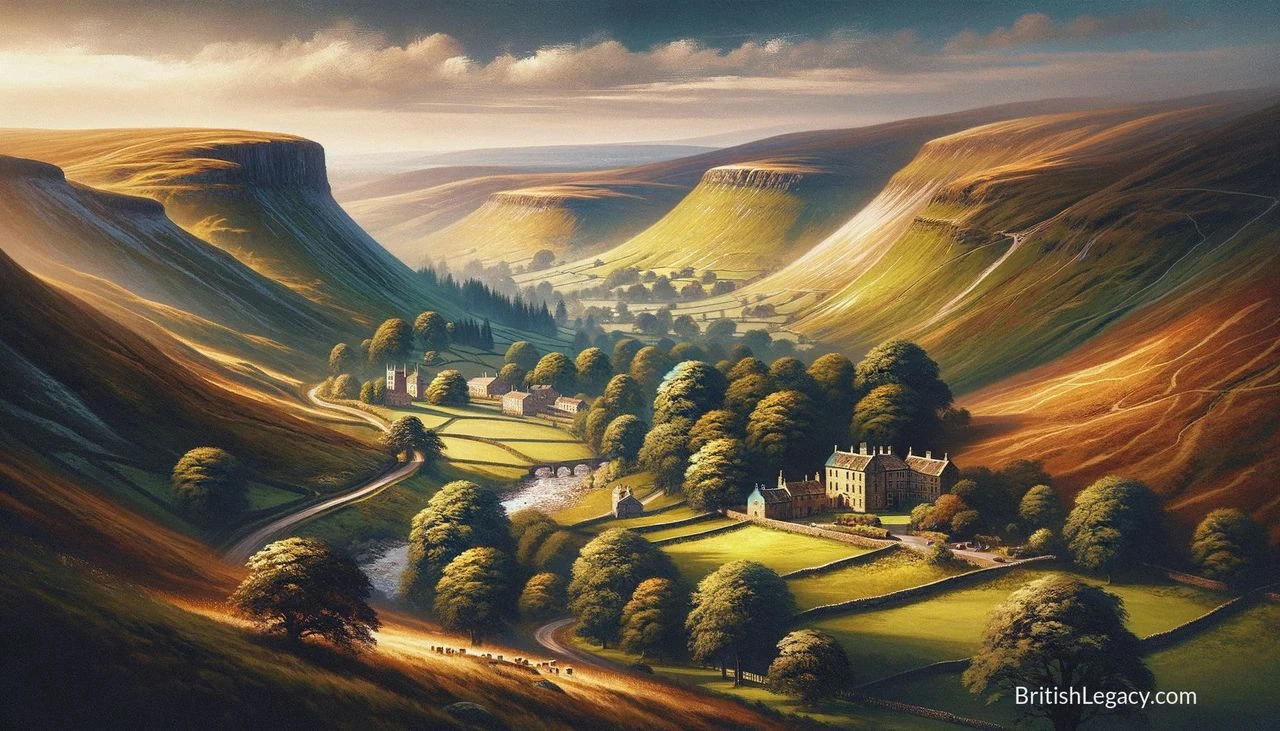
A northern English landscape shaped by limestone, farming, industry and the communities of its valleys.
Read the entry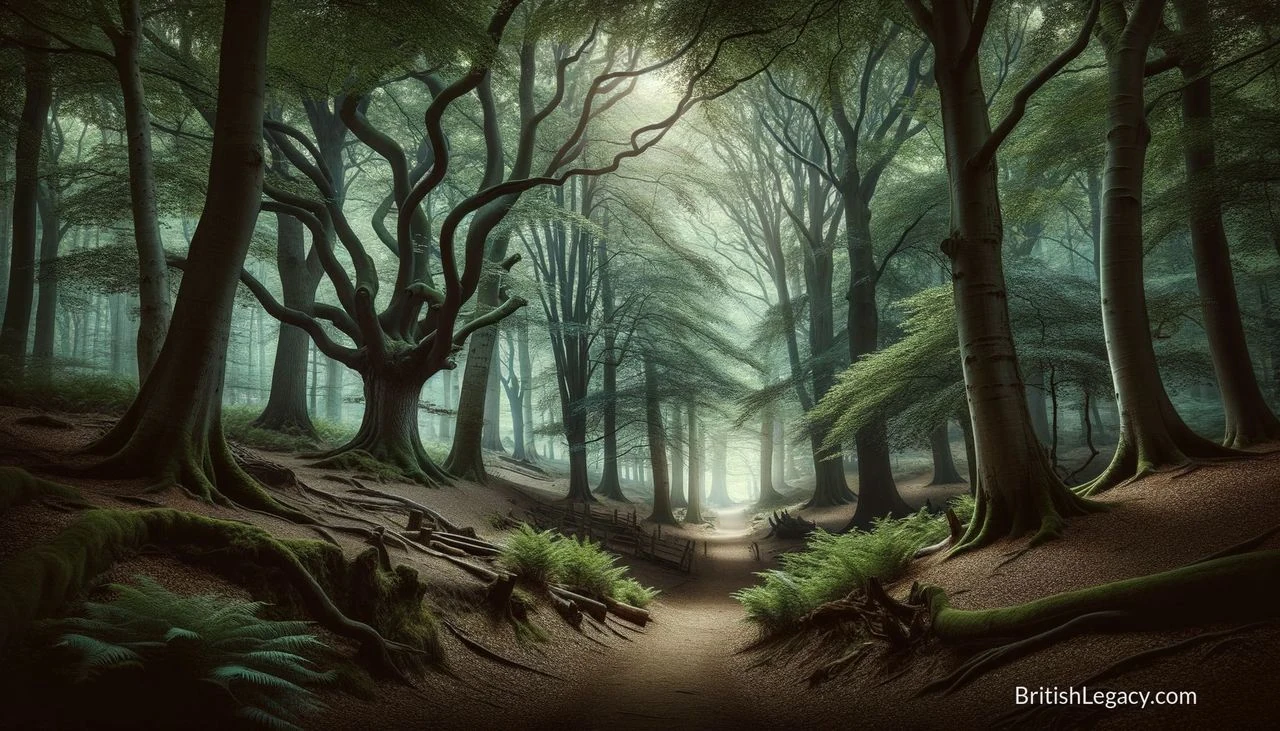
Nottinghamshire woodland where royal-forest history meets the enduring legend of Robin Hood.
Read the entry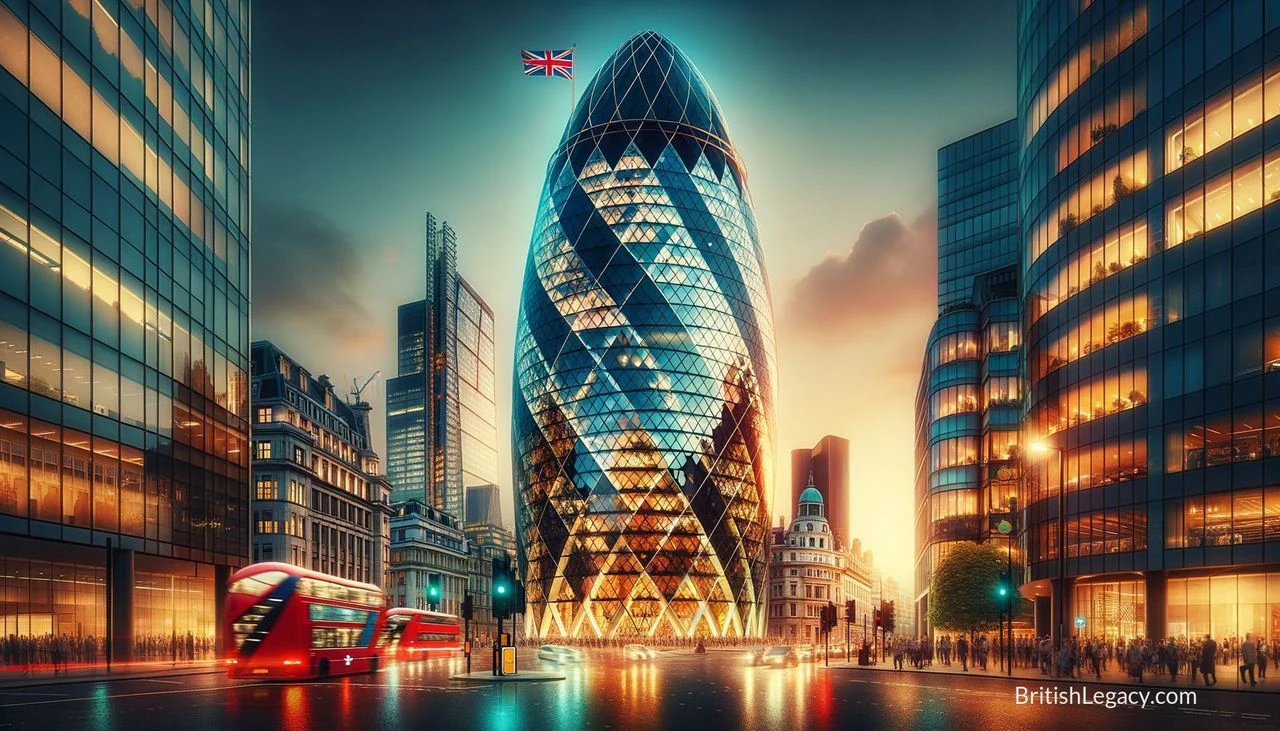
Norman Foster’s 180-metre London tower is recognised for its curved form, steel-and-glass structure and approach to light and ventilation.
Read the entry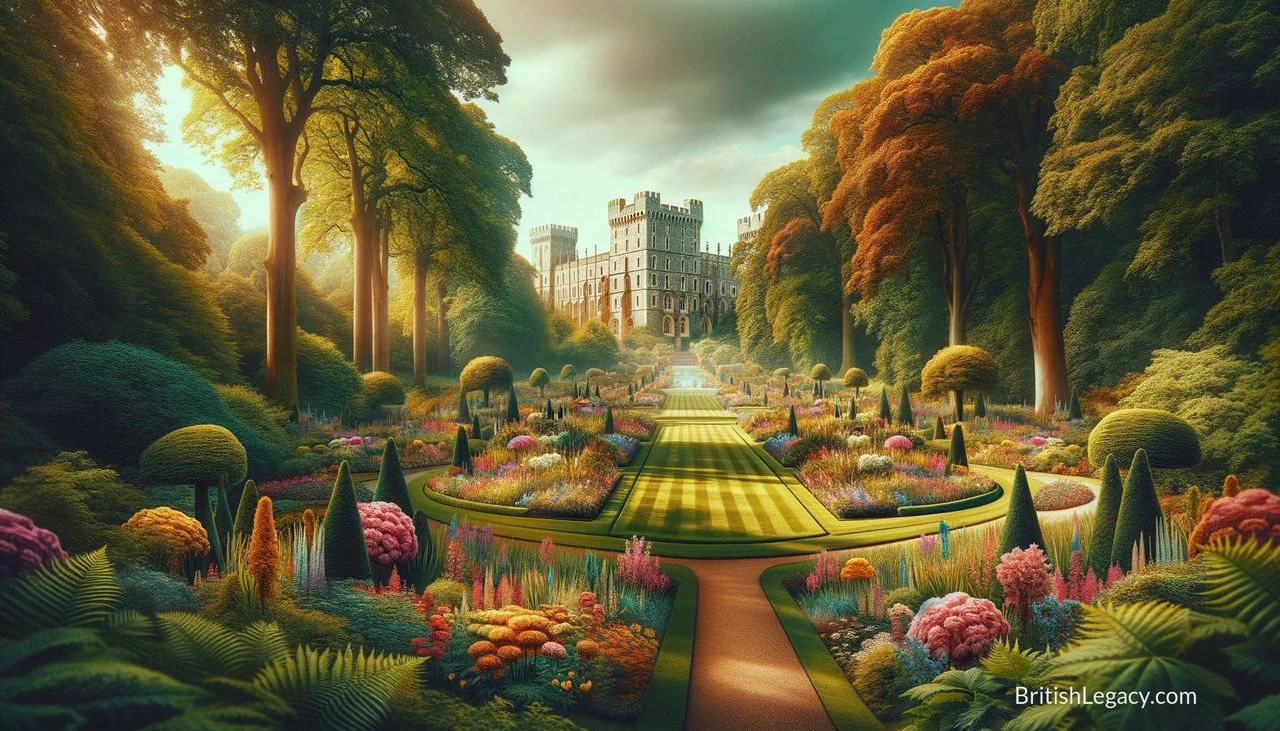
From the Long Walk to the Savill Garden, Windsor Great Park brings royal history, designed landscapes and public recreation together.
Read the entry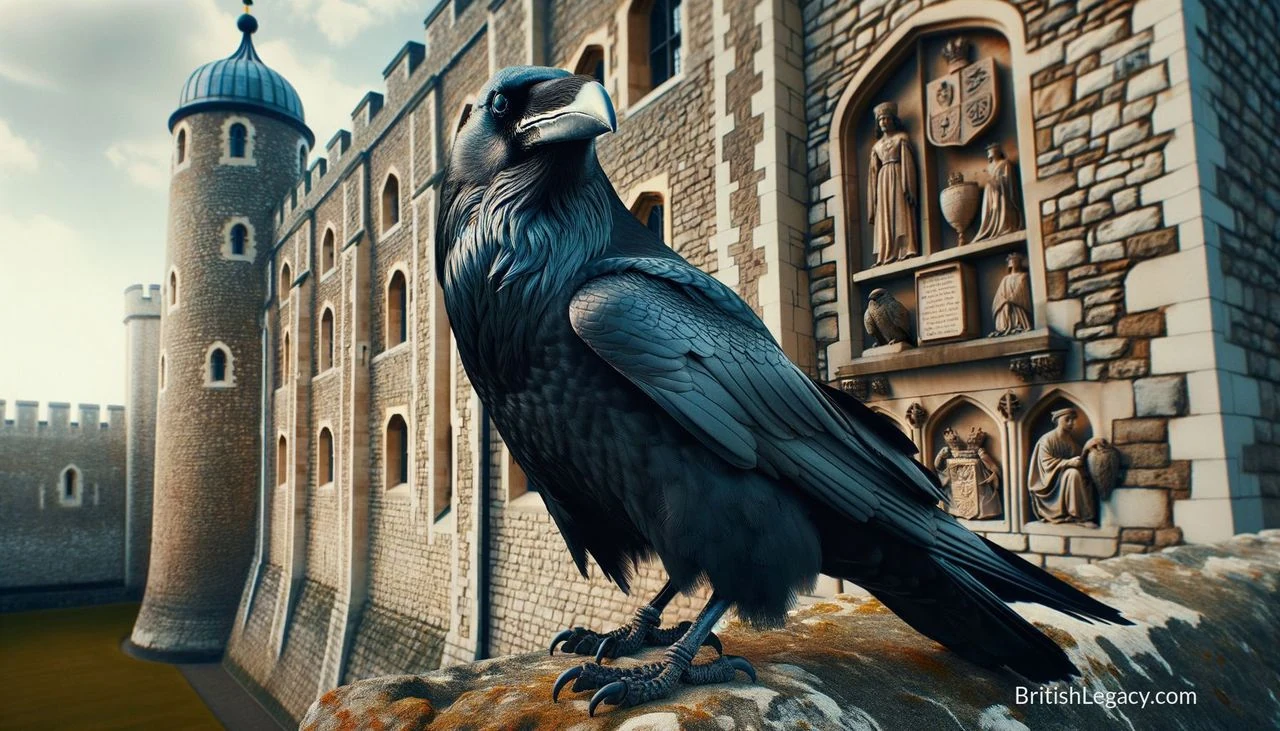
A legend linking ravens at the Tower with the fate of the kingdom has become part of the landmark’s public story.
Read the entry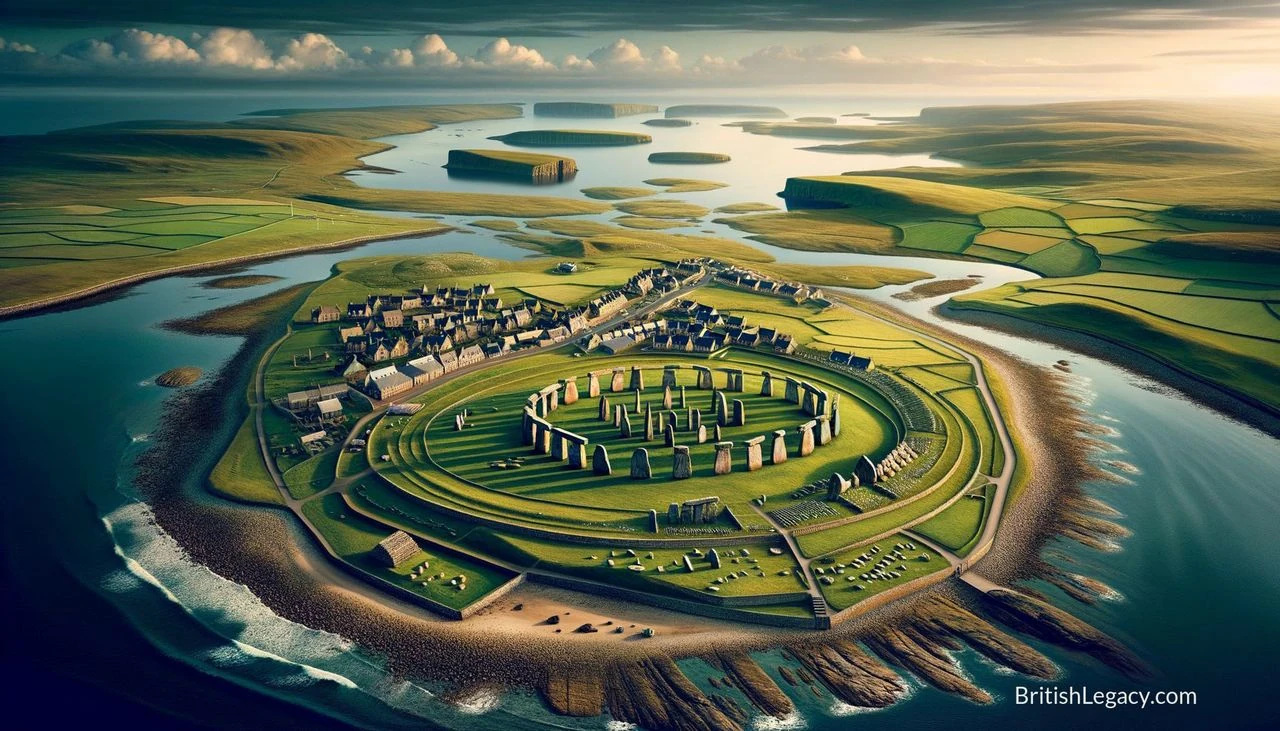
Orkney’s stone-built settlements, ceremonial landscapes and later Norse heritage connect the islands of northern Scotland with a long human past.
Read the entry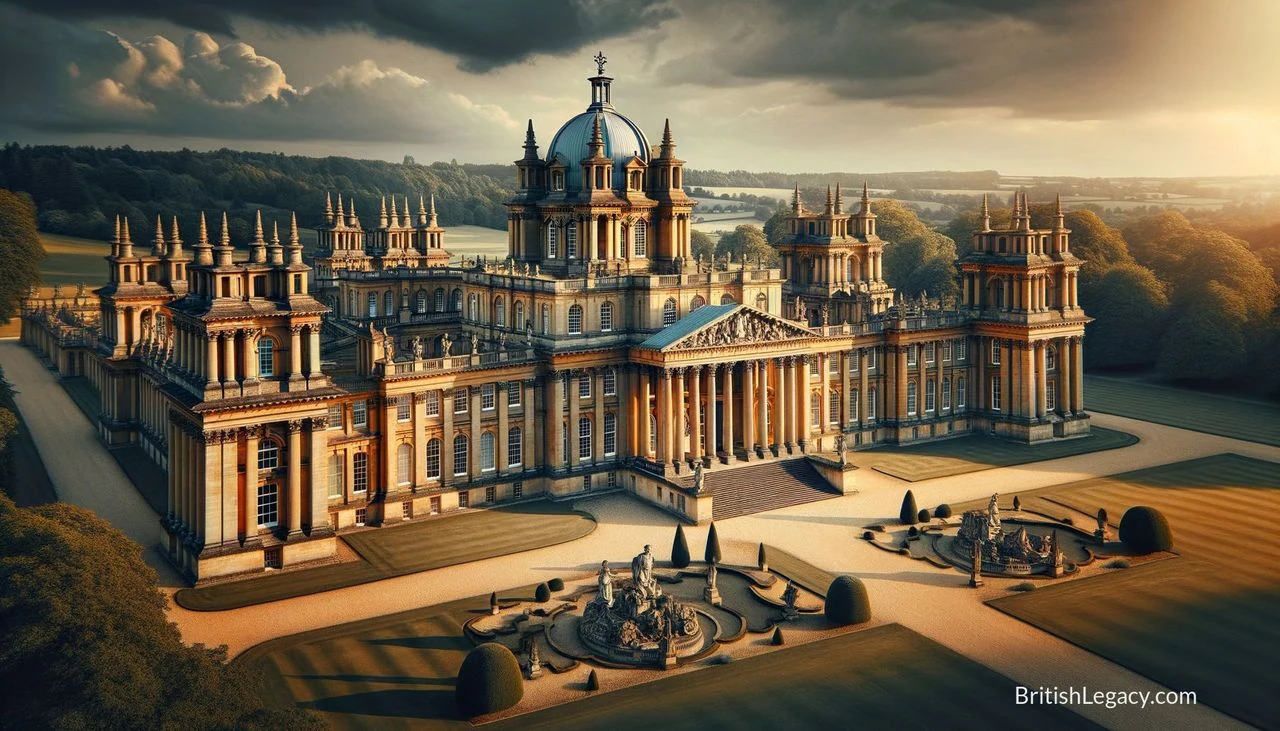
Built for the Duke of Marlborough after his 1704 victory, Blenheim became an English Baroque landmark, a Churchill birthplace and a UNESCO World Heritage Site.
Read the entry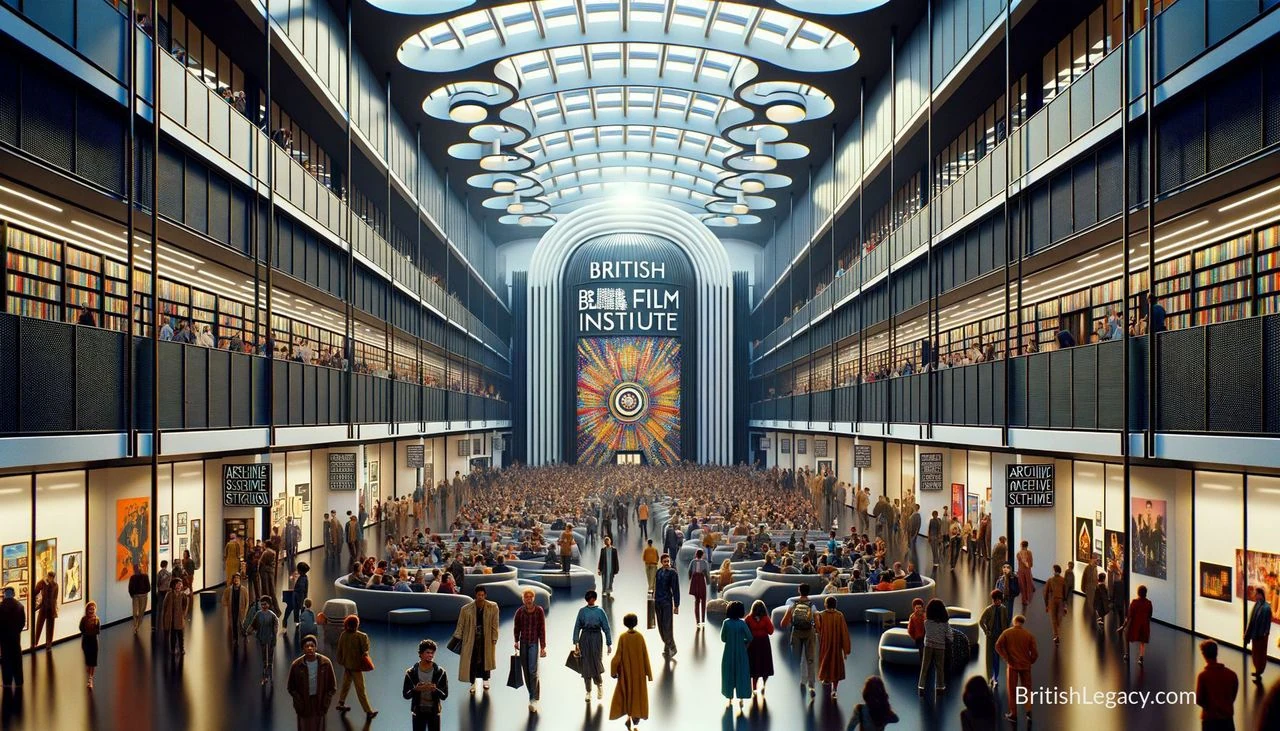
Since 1933, the BFI has worked across film preservation, public exhibition, education and support for British filmmaking.
Read the entry
Designed by Marks Barfield, Brighton’s 162-metre observation tower lifts visitors above the seafront for views across the South Downs and the coast.
Read the entry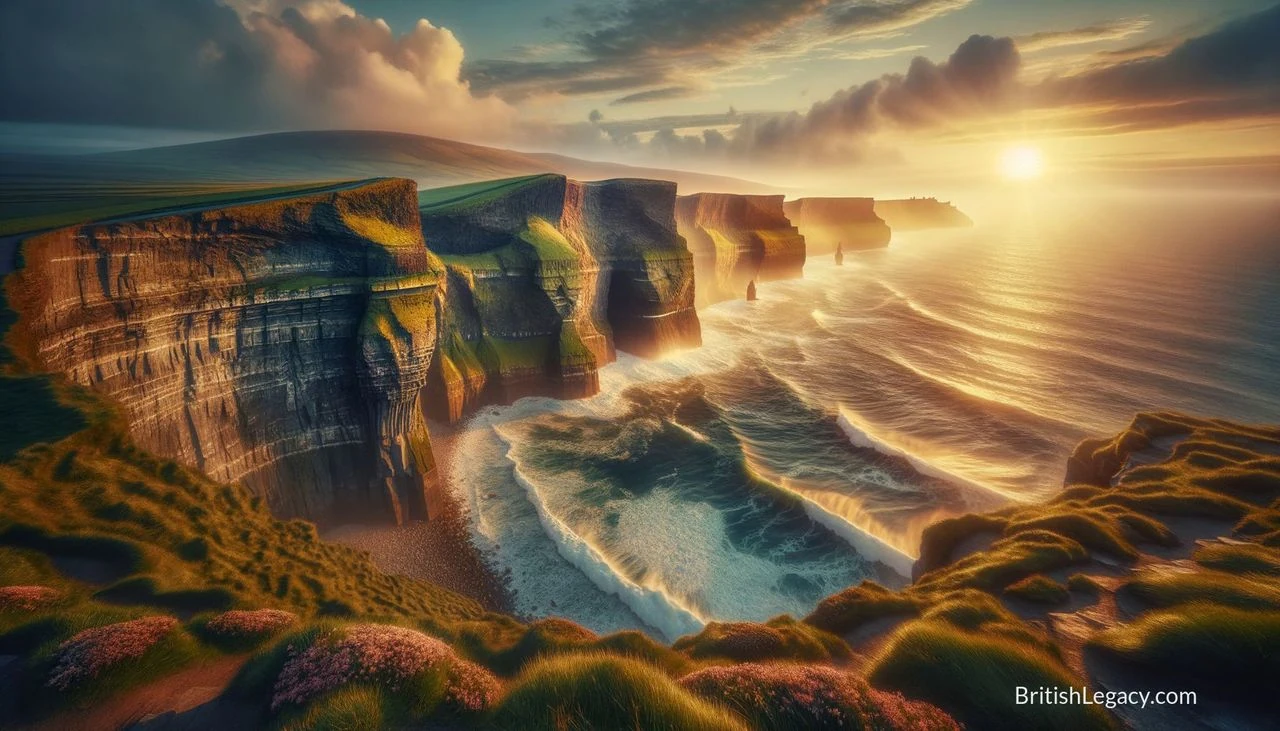
Ireland’s Atlantic cliffs draw visitors from Britain and beyond, with dramatic coastal scenery and seabird habitats.
Read the entry
From caber tossing to piping competitions, Highland Games bring athletic contests and Scottish cultural traditions together.
Read the entry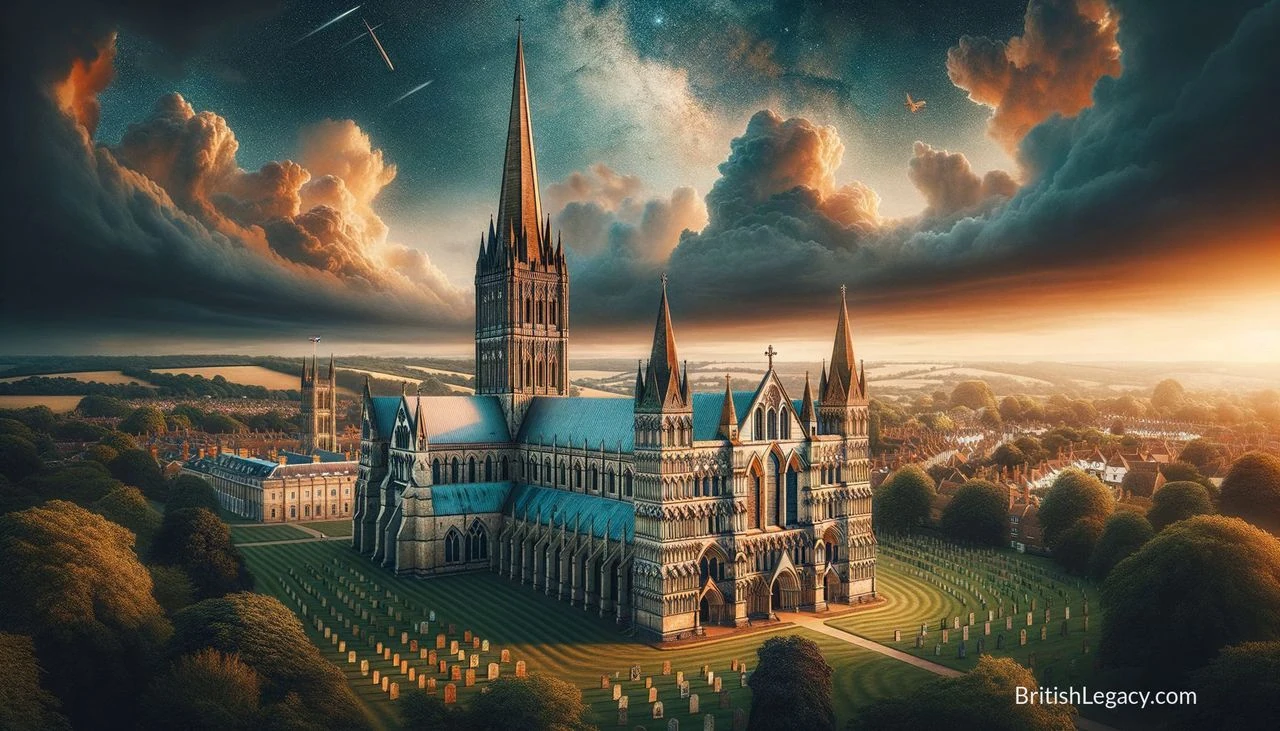
A medieval cathedral in Wiltshire, known for its 123-metre spire and for preserving one of the four surviving original copies of Magna Carta.
Read the entry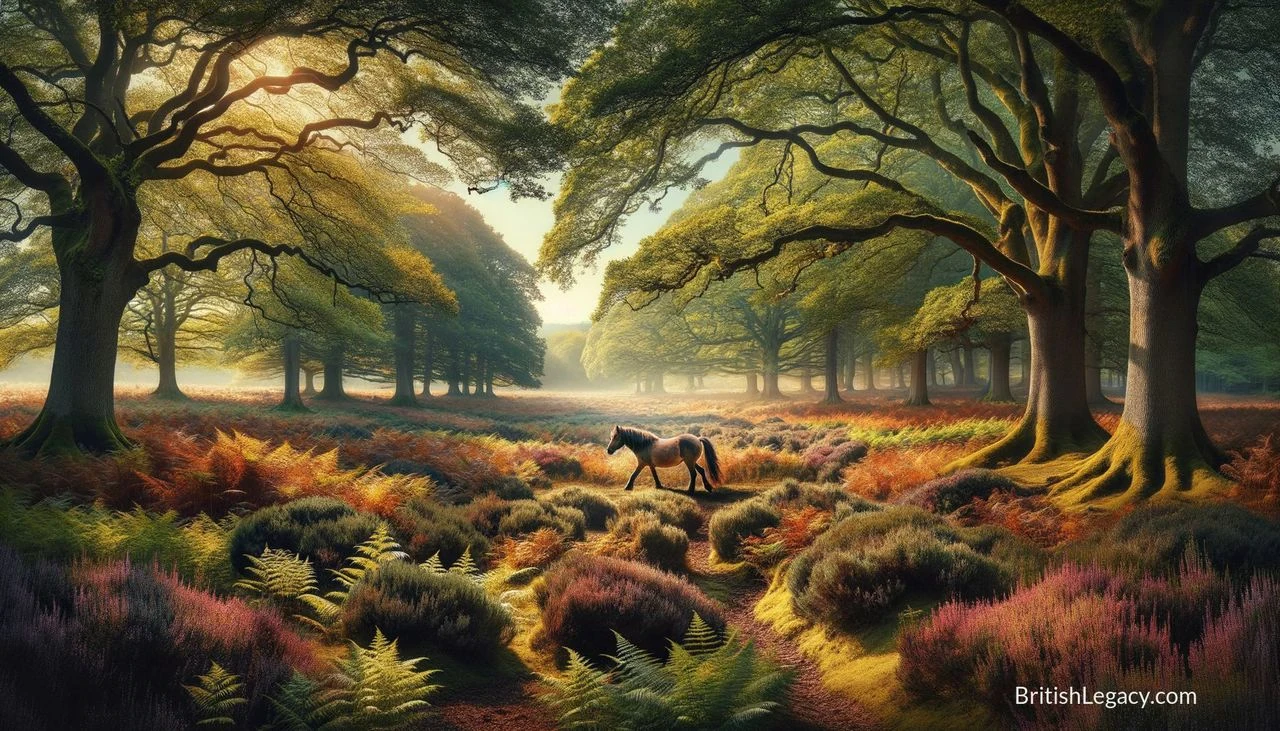
Hampshire’s New Forest brings ancient woodland and open heath together with a long history of shared use, roaming ponies and rural heritage.
Read the entry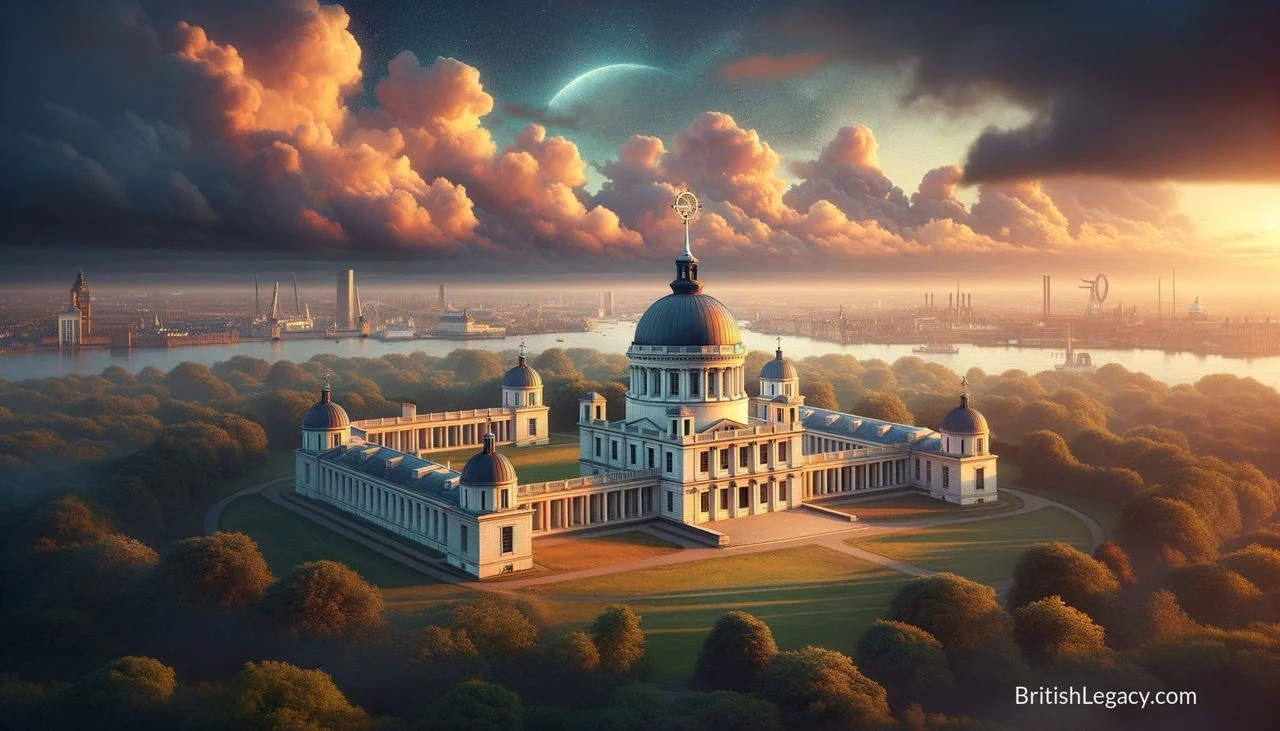
Founded to improve navigation, Greenwich became a centre of astronomy, timekeeping and public time signals—and a landmark whose influence reaches beyond its historic meridian.
Read the entry