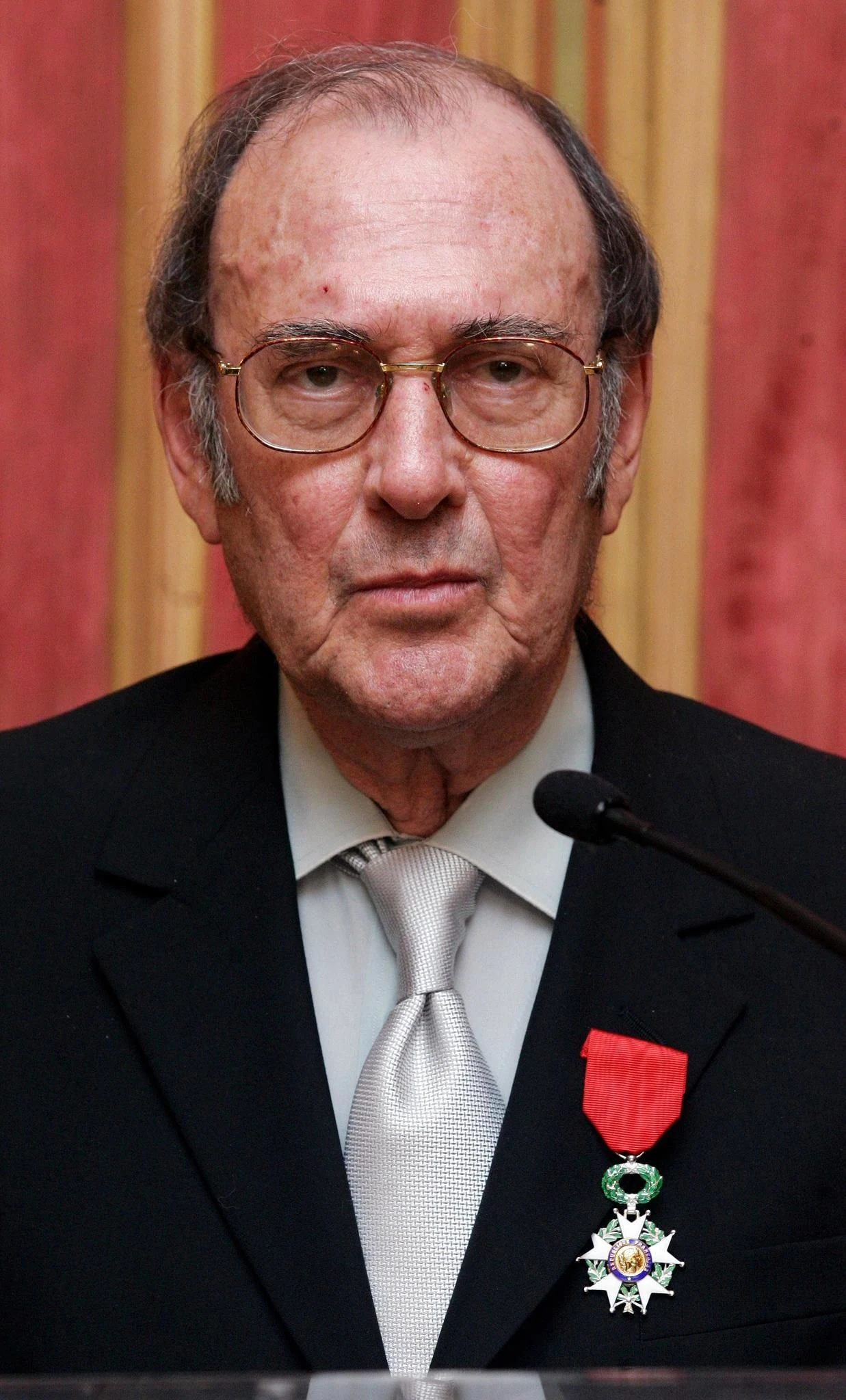
Harold Pinter: the playwright who made silence speak
From the unsettling comedy of his early plays to his public opposition to war and oppression, Pinter reshaped British theatre across a career of more than 50 years.
Read the entryFrom the unsettling comedy of his early plays to his public opposition to war and oppression, Pinter reshaped British theatre across a career of more than 50 years.
Read the entry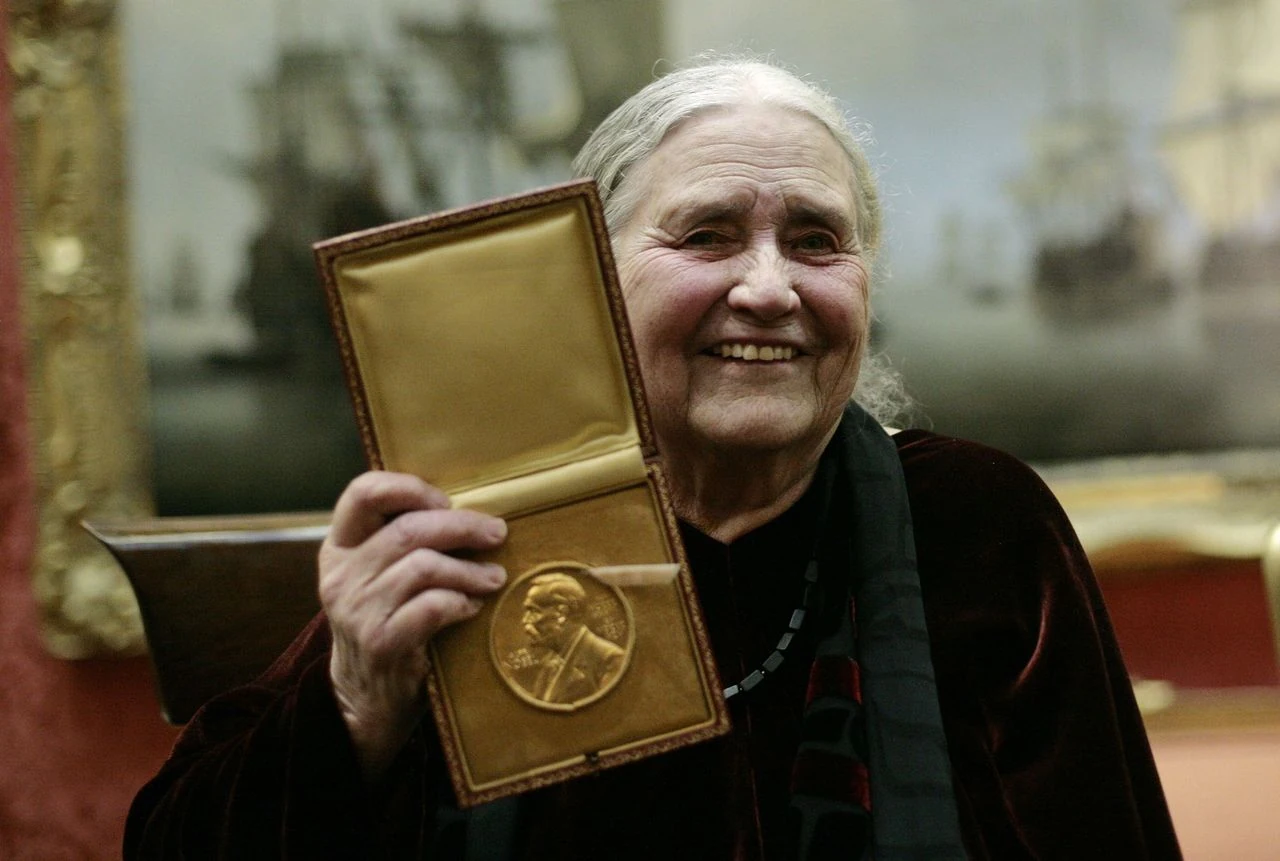
Born in Persia and raised in Southern Rhodesia, Doris Lessing became a major figure in British literature, winning the Nobel Prize in Literature in 2007.
Read the entry
Born in Nagasaki and raised in Surrey, Ishiguro became a British citizen in 1983. His novels, screenwriting and lyrics have earned major international recognition.
Read the entry
The Scottish physician and microbiologist whose discovery of penicillin helped usher in the age of antibiotics.
Read the entry
The English geneticist shared the 2001 Nobel Prize for work on how cells divide. His career has also taken him from cancer research in Britain to leadership of the Royal Society.
Read the entry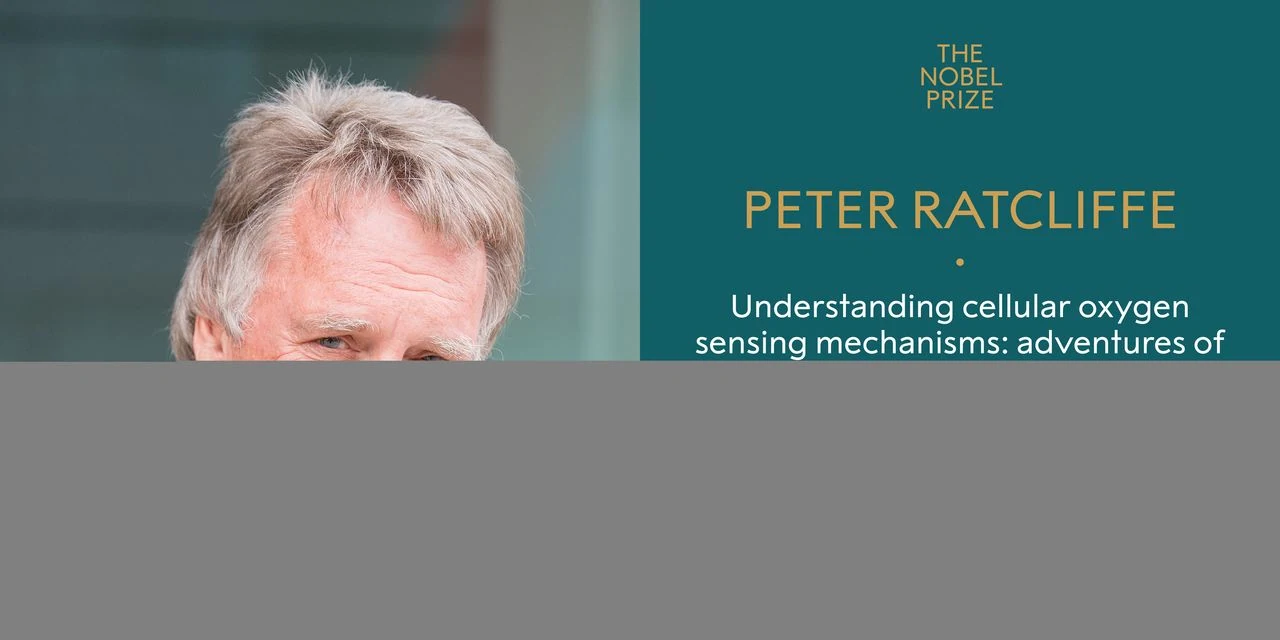
The British physician-scientist shared the 2019 Nobel Prize for revealing how cells detect and respond to changes in oxygen.
Read the entry
From penicillin and vitamin B12 to insulin, Hodgkin used X-ray crystallography to reveal the shapes of molecules central to biology and medicine.
Read the entry
The Edinburgh-born chemist helped turn mechanically interlocked molecules into the foundations of molecular switches and machines, sharing the 2016 Nobel Prize in Chemistry.
Read the entry
The Cambridge scientist helped make engineered antibodies a practical route to modern medicines.
Read the entry
The Cambridge radio astronomer helped transform how faint sources in the universe could be located and imaged.
Read the entry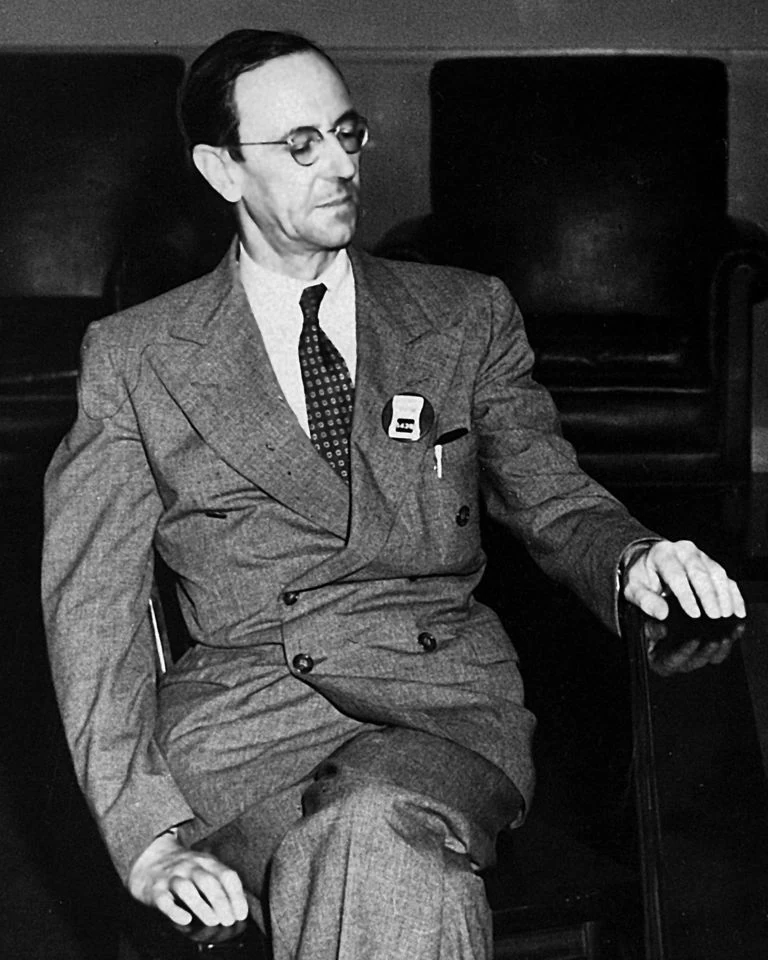
The experimental physicist who discovered the neutron also helped direct Britain’s wartime atomic work and shaped nuclear physics at Liverpool.
Read the entry
The British mathematician and mathematical physicist showed how black-hole formation follows from general relativity, work recognised with half the 2020 Nobel Prize in Physics.
Read the entry
The British physicist whose work on mass and the Higgs boson helped shape modern particle physics.
Read the entry
Founded in 2007, The Football Ramble brought football discussion, humour and recurring features to a podcast format that later extended to tours, books and radio.
Read the entry
Four researchers from QI turned facts that did not make the television programme into a podcast of science, history and curious discoveries.
Read the entry
Launched in 2018, BBC Sounds brings radio programmes, podcasts and music mixes together in a digital service.
Read the entry
Founded in 1961, the British fortnightly has made irreverent comedy and investigative reporting uneasy but enduring companions.
Read the entry
Founded by Scottish reformer Robert Stephen Rintoul in 1828, the British weekly has moved from liberal-radical beginnings to a conservative identity, with each generation of editors leaving its mark.
Read the entry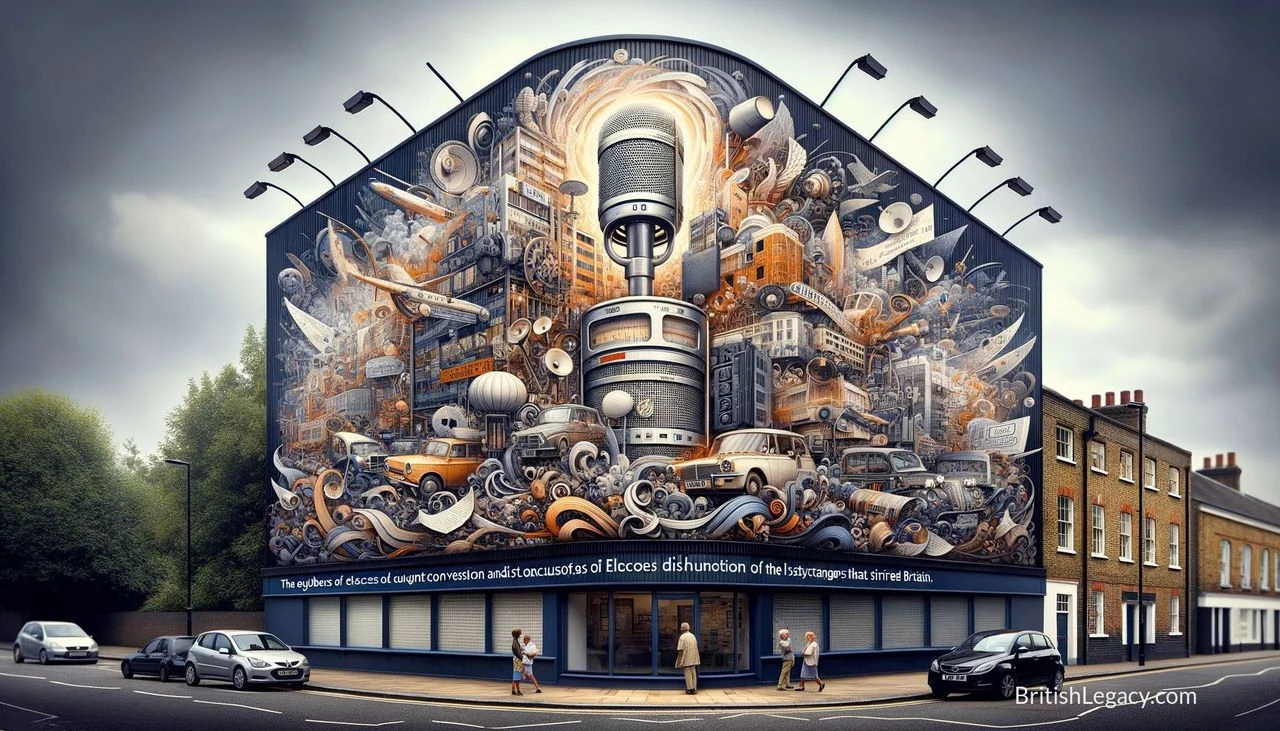
Launched in 1973 as the UK’s first licensed commercial radio station, LBC grew from a London service into a nationwide home for news, interviews and phone-ins.
Read the entry
Launched as the Daily Mail’s online counterpart, Mail Online combined news, popular culture and multimedia in a bid to reach readers beyond print.
Read the entry
Founded in 1986 with a declared challenge to proprietorial influence, The Independent changed format repeatedly before ending its print edition in 2016.
Read the entry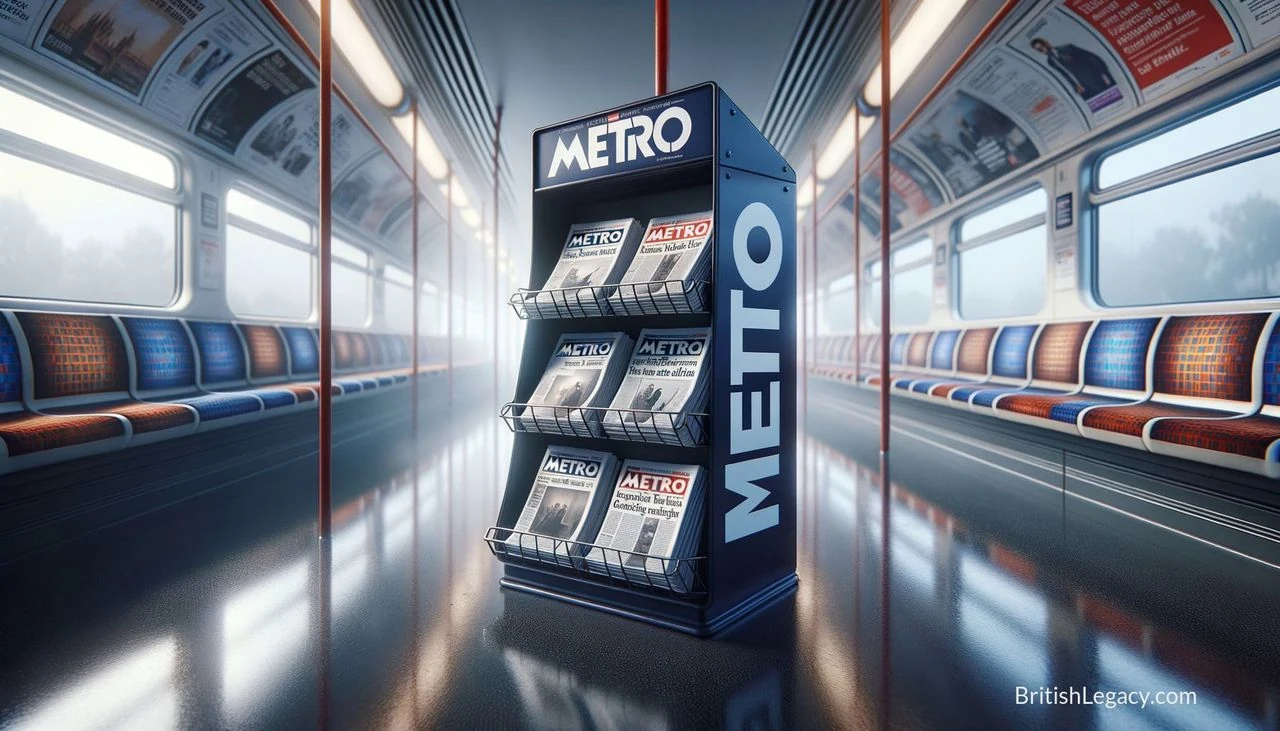
Launched in 1999, Metro offered concise, free coverage in urban centres and on public transport, bringing news to readers on their daily journeys.
Read the entry
A newspaper whose mix of headlines, sport and popular coverage has made it a distinctive, often contested presence in British media.
Read the entry
Founded in 1843, the Sunday newspaper grew from a cheap paper aimed at working-class readers into a national tabloid, closing in 2011 amid a phone-hacking scandal.
Read the entry
Founded in 1843 to support the repeal of the Corn Laws, The Economist grew from a British newspaper into an international print and digital publication.
Read the entry
Founded for the City in 1888, the Financial Times grew through rivalry, merger and technological change into an international newspaper still rooted in British financial journalism.
Read the entry
Founded in London in 1855, the paper moved from an uncertain start to national reach, political scoops and an early online edition.
Read the entry
Founded in Manchester in 1821, The Guardian grew from a regional newspaper into a national and international title, with a history shaped by political argument, investigative reporting and changing forms of ownership.
Read the entry
Launched in 1997, Channel 5 added a new terrestrial service to the UK’s television landscape, building a varied schedule around reality television, drama and factual programmes.
Read the entry
From its first London broadcast in 1955, ITV grew into a network of regional services, national programmes and distinct Scottish broadcasters.
Read the entry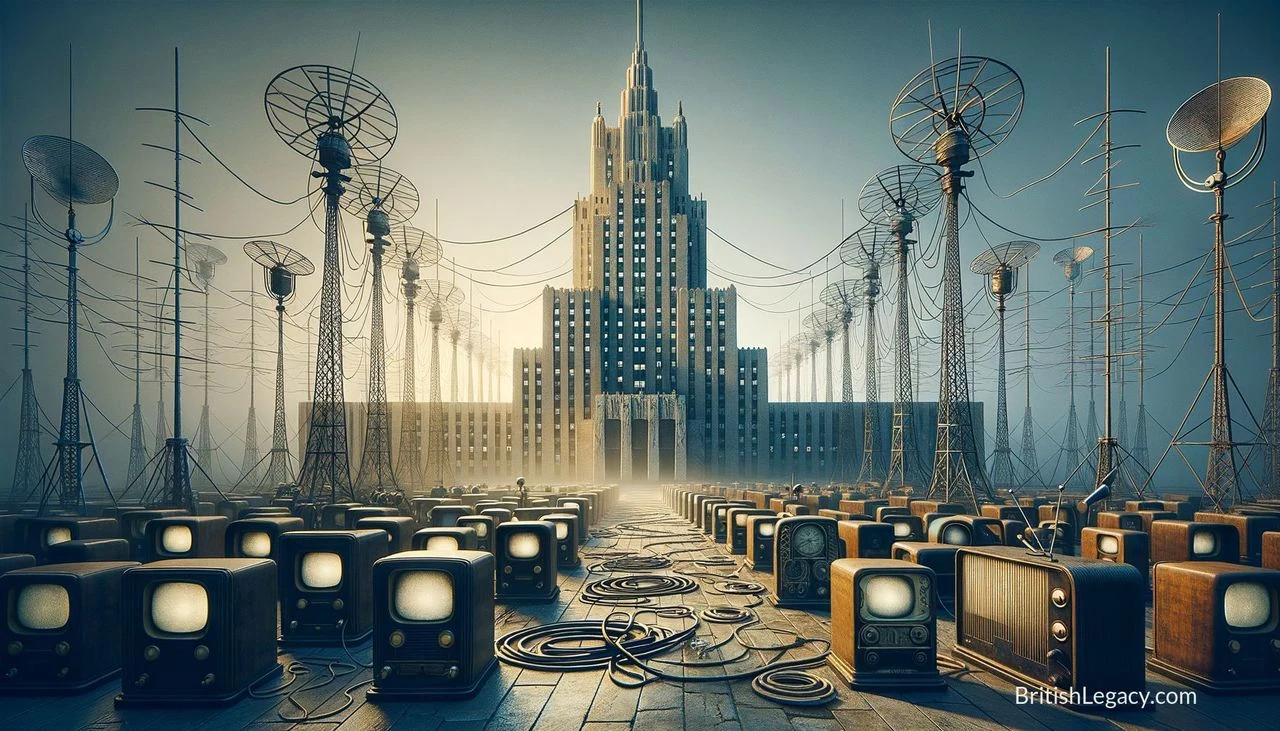
From its formation by wireless manufacturers in 1922, the BBC grew into a chartered public-service broadcaster spanning radio, television and online media.
Read the entry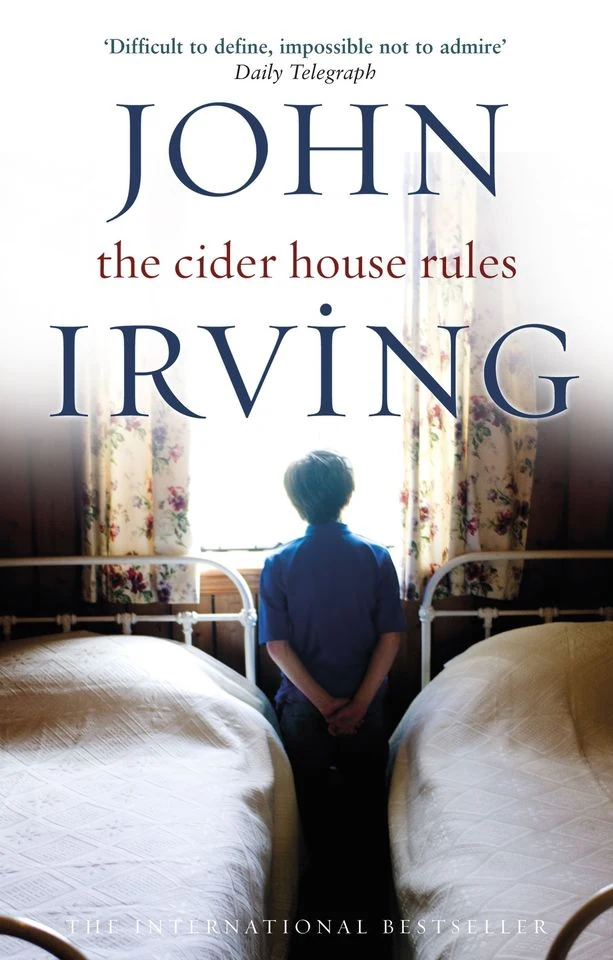
John Irving’s novel follows Homer Wells, an orphan raised at a Maine orphanage, as medical training and the rules of an apple farm bring questions of duty into focus.
Read the entry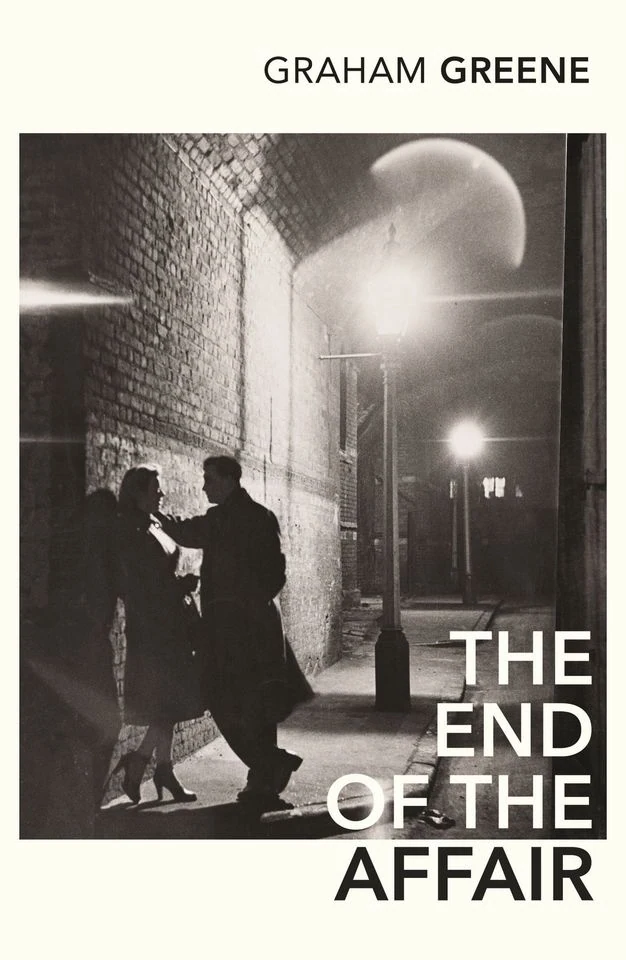
In wartime and post-war London, a writer’s jealousy over a broken affair leads him towards a promise made to God and questions of faith.
Read the entry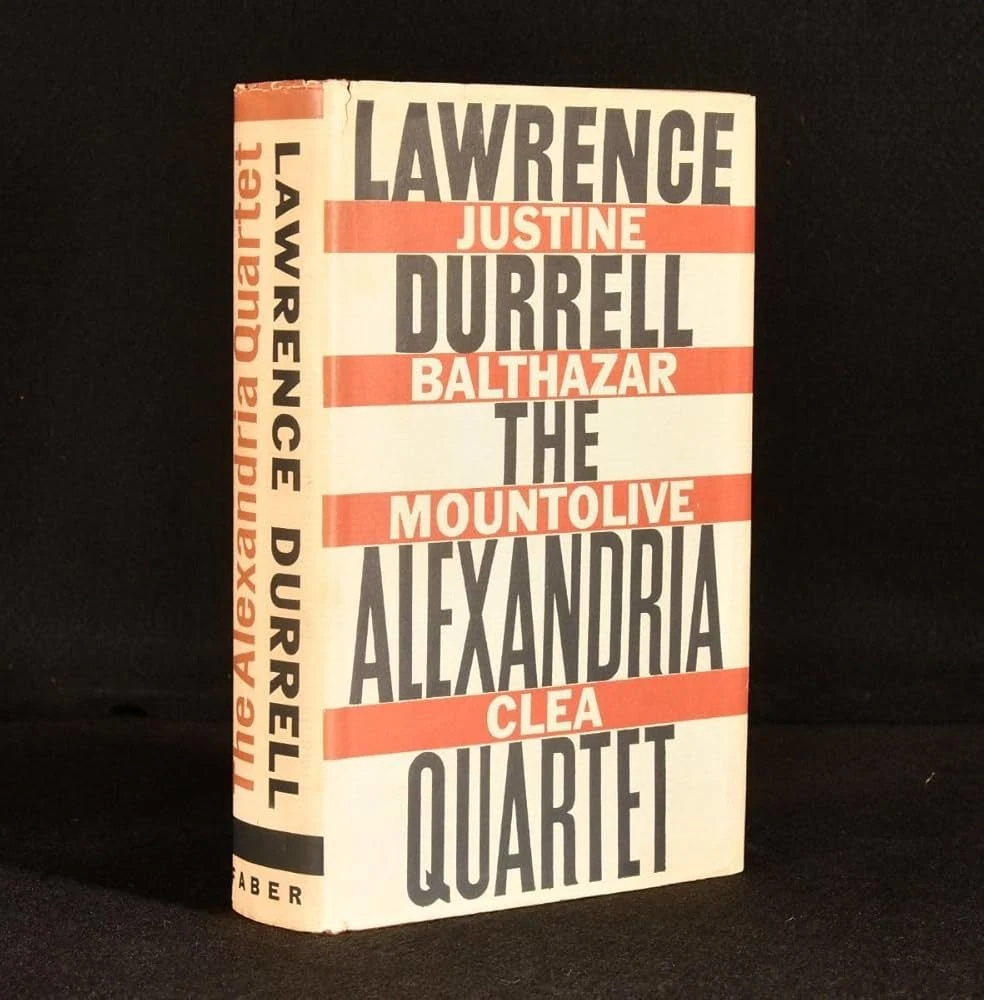
Four novels set in Alexandria revisit shared events through changing perspectives, then carry their story forward in time.
Read the entry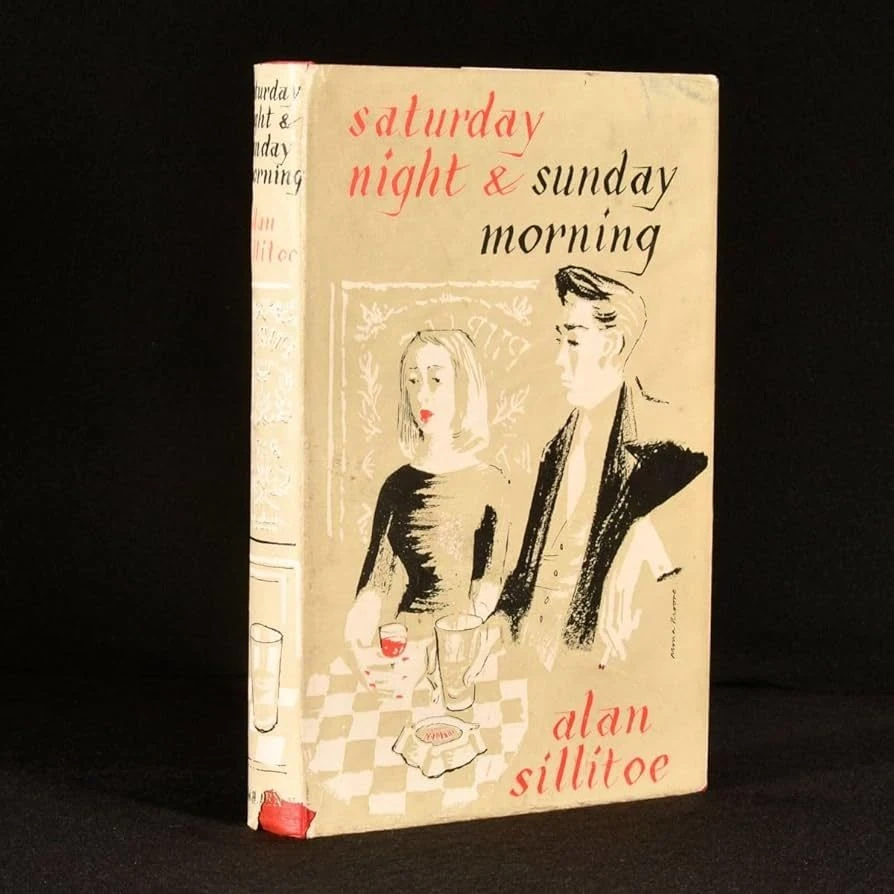
Alan Sillitoe’s first novel follows a Nottingham factory worker whose pursuit of freedom brings him into conflict with the people around him.
Read the entry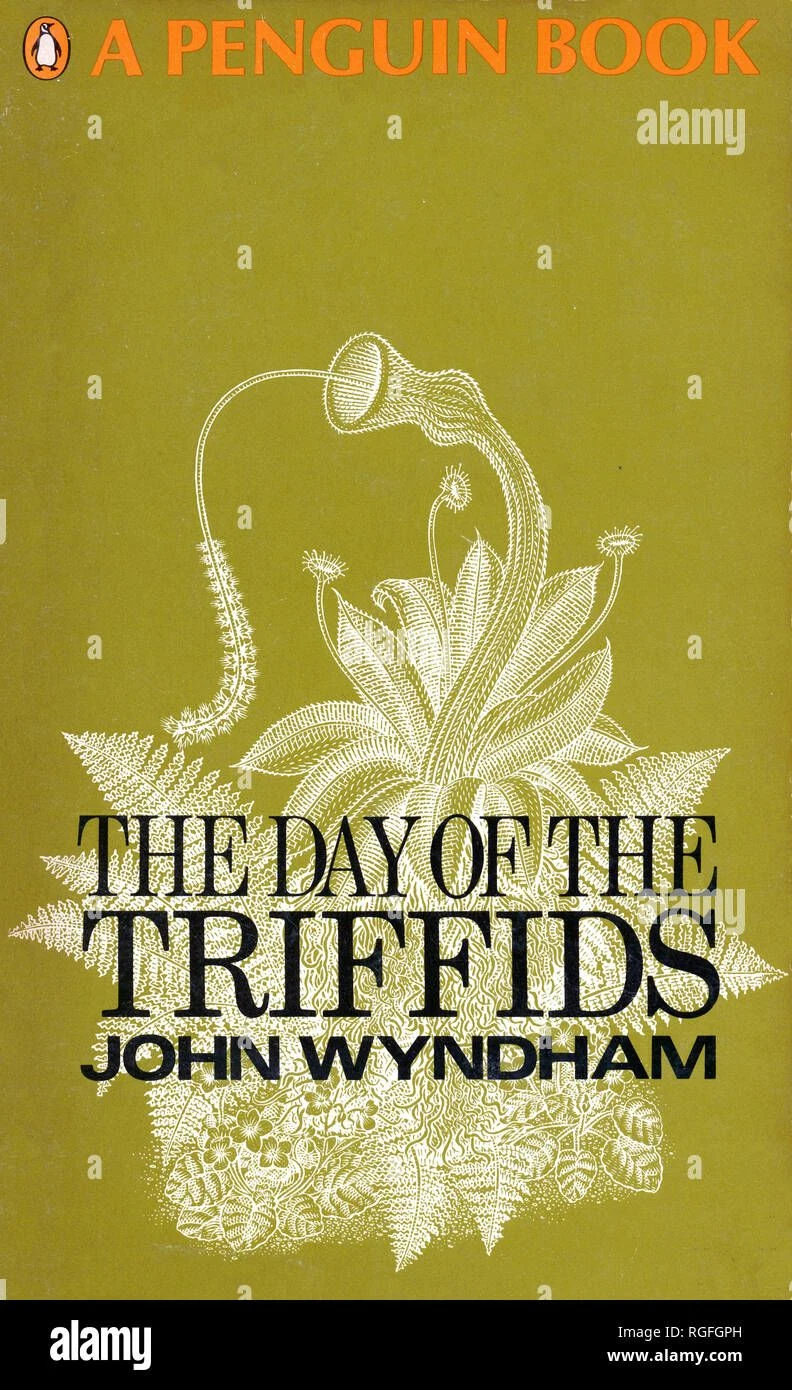
John Wyndham’s 1951 novel brings mass blindness and dangerous walking plants together in a British science-fiction story about survival, care and human responsibility.
Read the entry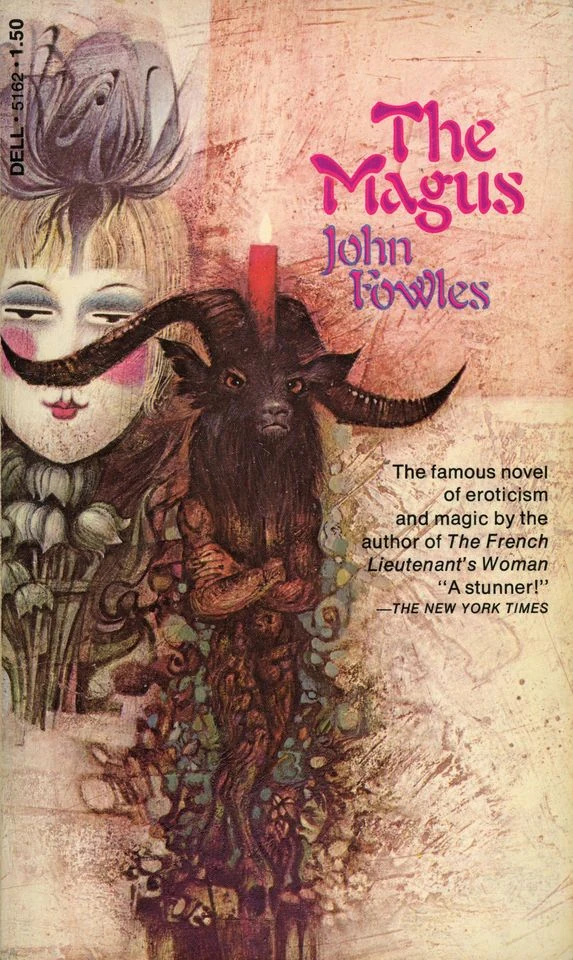
A young English teacher’s encounter with Maurice Conchis turns a Greek-island posting into a test of perception, choice and the stories people tell themselves.
Read the entry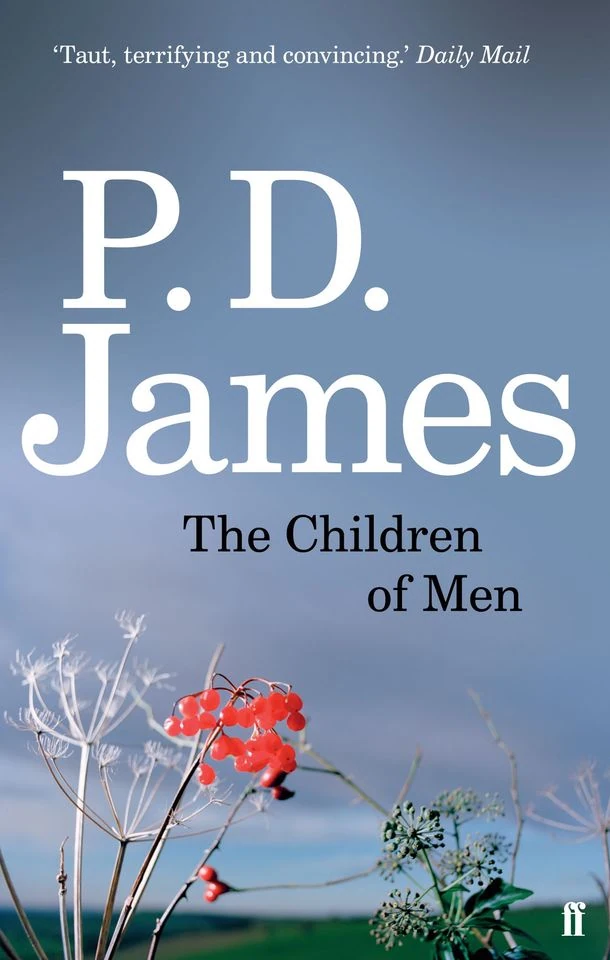
P.D. James’s 1992 dystopia turns a crisis of human fertility into a searching story about power, resistance and the possibility of a future.
Read the entry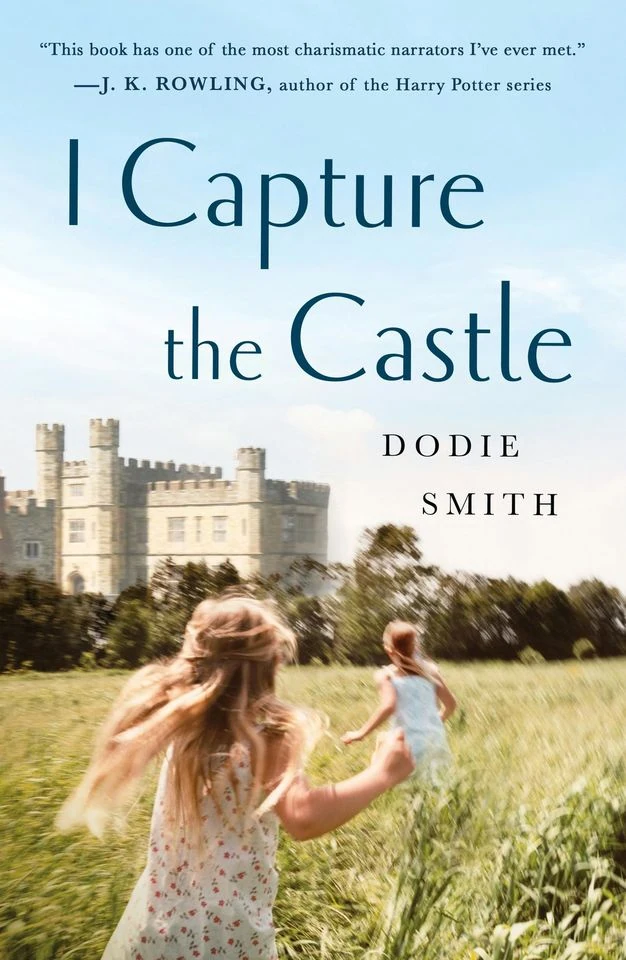
Dodie Smith’s 1948 novel follows Cassandra Mortmain’s journal through a family’s genteel poverty, first love and uncertain hopes in a decaying English castle.
Read the entry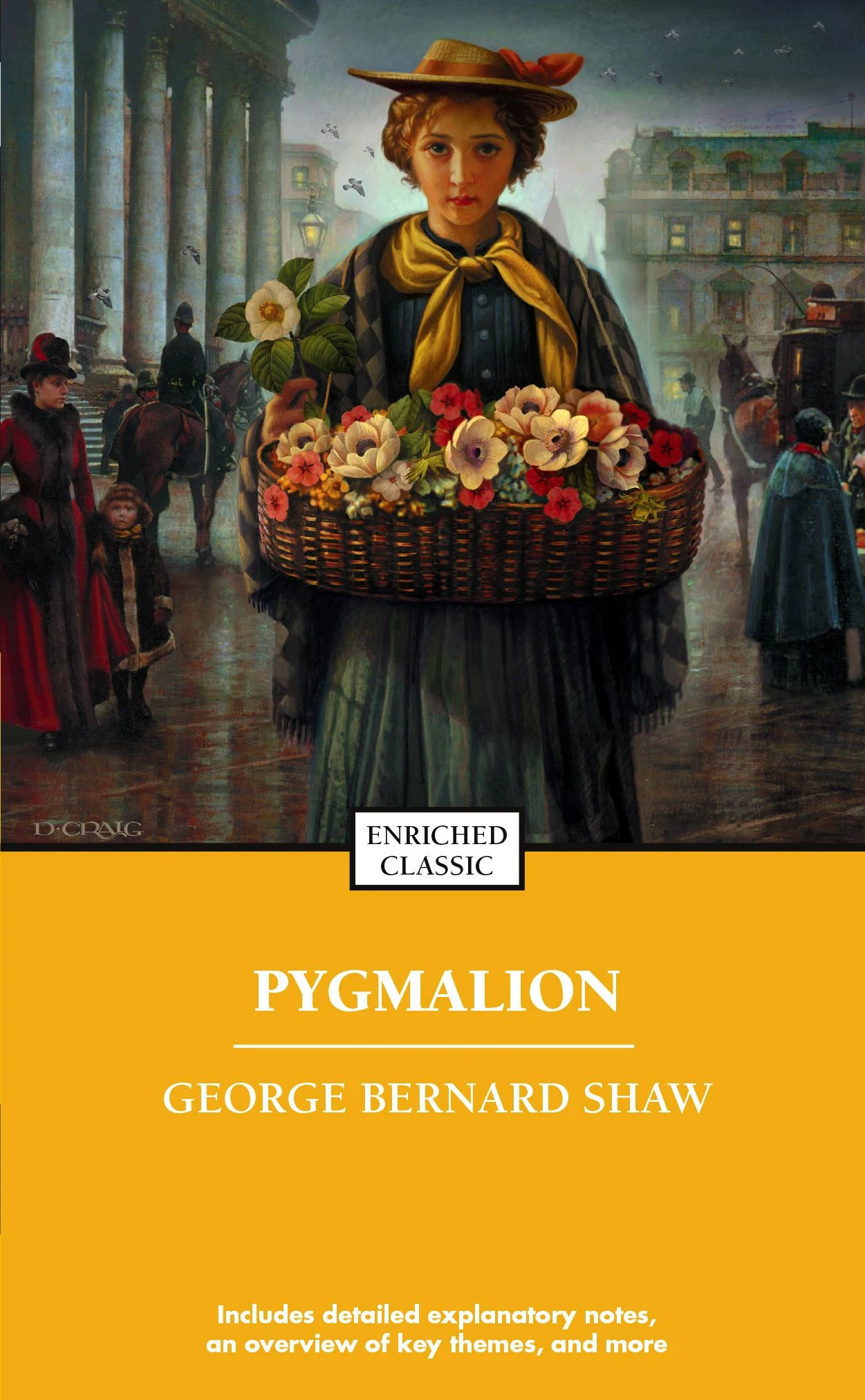
A wager over a flower-seller’s speech becomes a searching drama about class, identity and independence.
Read the entry