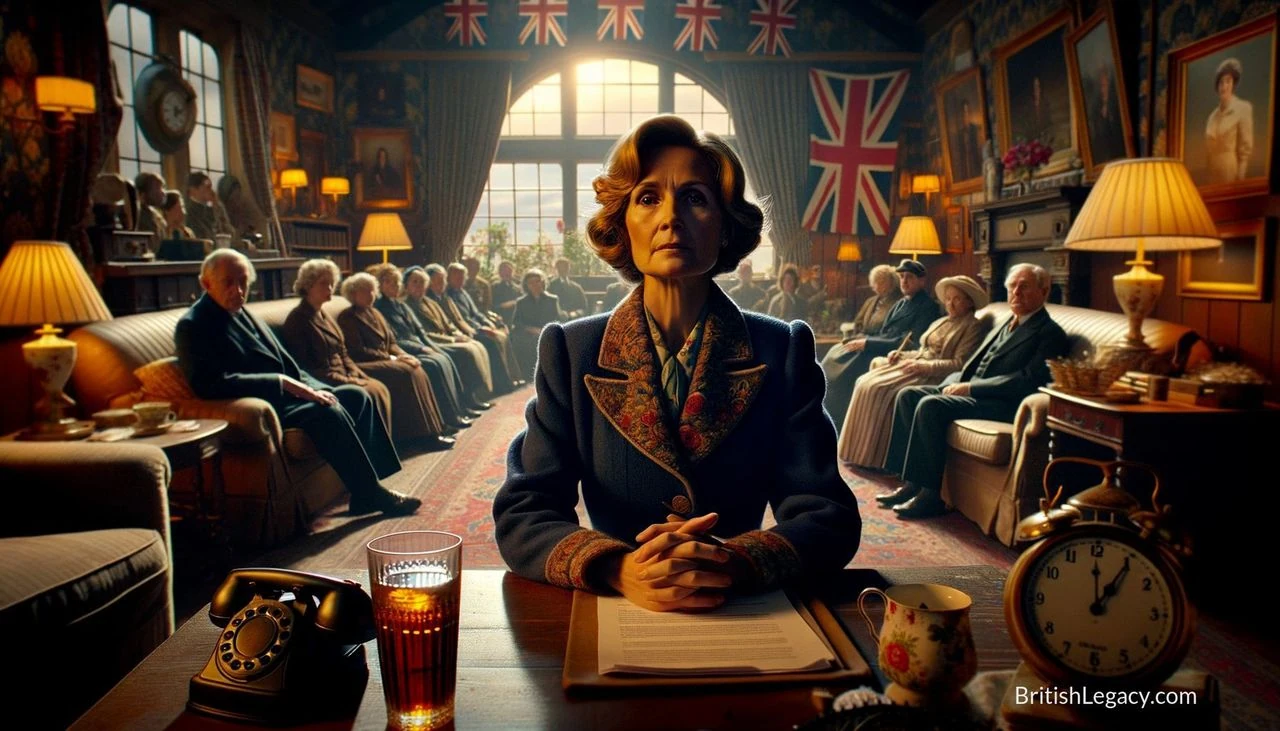
Queen Elizabeth II’s Coronavirus Broadcast (2020)
On 5 April 2020, Queen Elizabeth II addressed the public during the COVID-19 pandemic, offering reassurance and a message of shared endurance.
Read the entryOn 5 April 2020, Queen Elizabeth II addressed the public during the COVID-19 pandemic, offering reassurance and a message of shared endurance.
Read the entry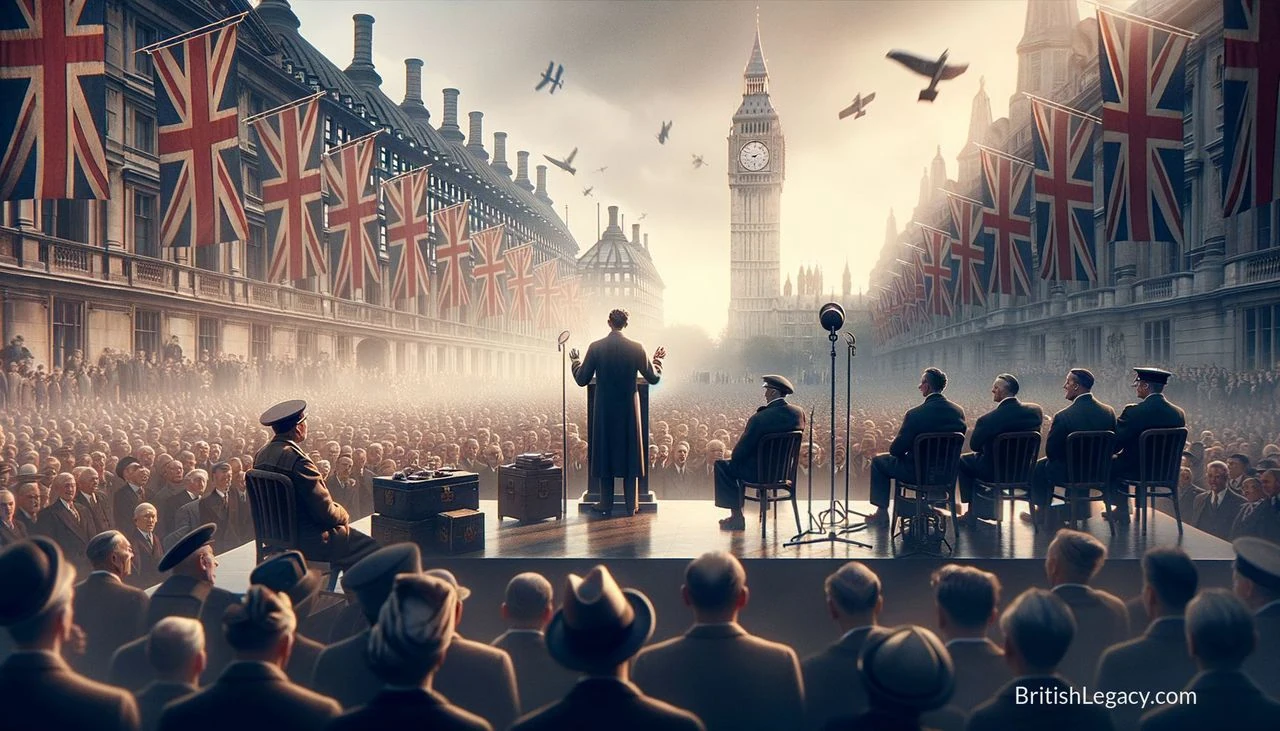
On 8 May 1945, Clement Attlee honoured the dead and those who served, while warning that victory in Europe was only the beginning of the work of peace.
Read the entry
A tax programme intended to fund reform became a constitutional confrontation over who had the right to control public money.
Read the entry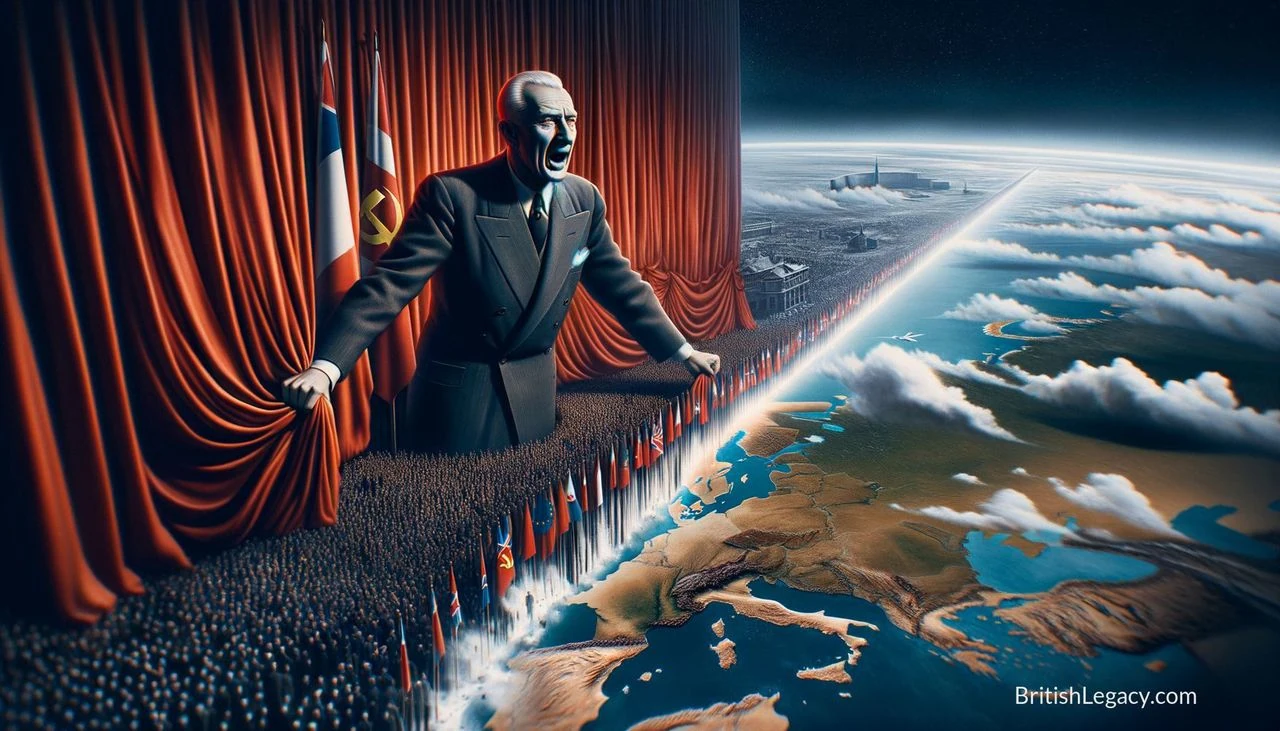
At Westminster College in Missouri, the former British prime minister described Europe’s division and argued for closer Anglo-American cooperation.
Read the entry
In his speech after winning the general election, Blair articulated his vision for a renewed and modernized Britain, focusing on education, health, and social justice: “A new dawn has broken, has it not?”
Read the entry
In 1991, John Major called for prosperity, fairness and national unity. The speech’s language set out an aspiration; his premiership would test how far it could be realised.
Read the entry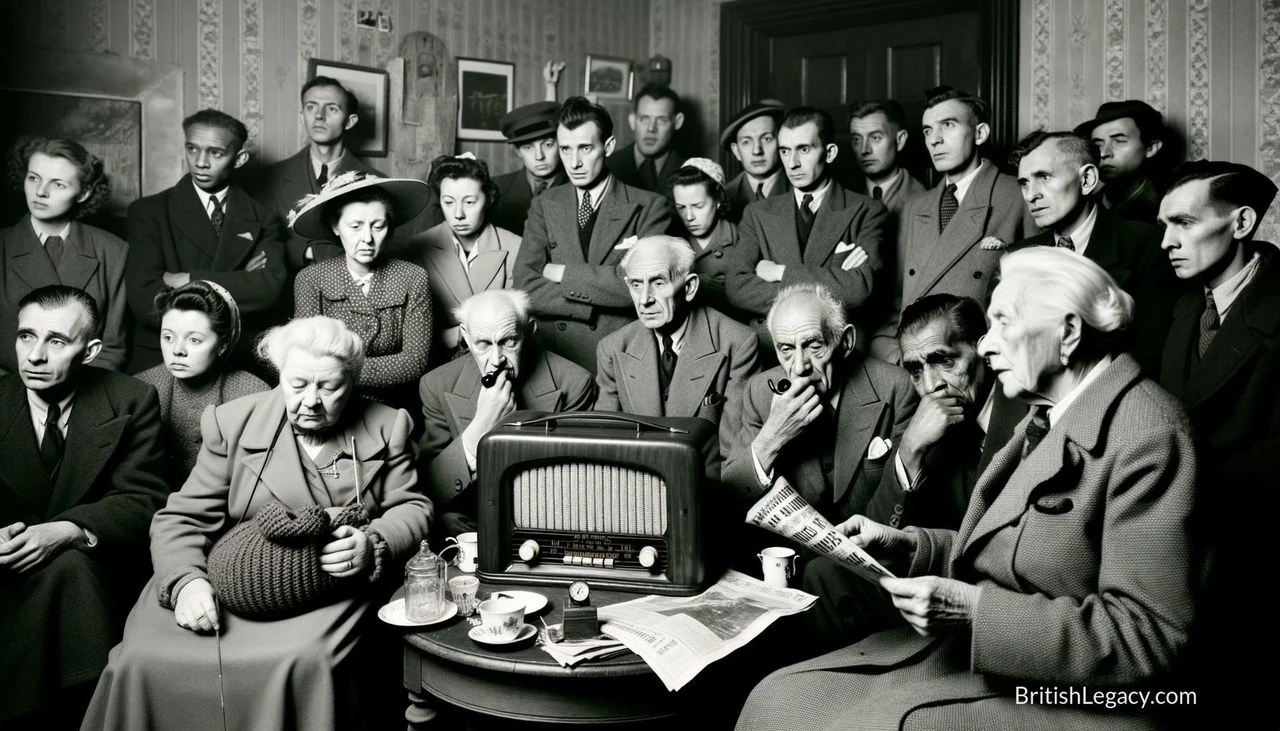
On 18 June 1940, as France’s defeat left Britain facing a direct threat, Churchill set out the stakes of the coming battle—and made a lasting appeal to duty.
Read the entry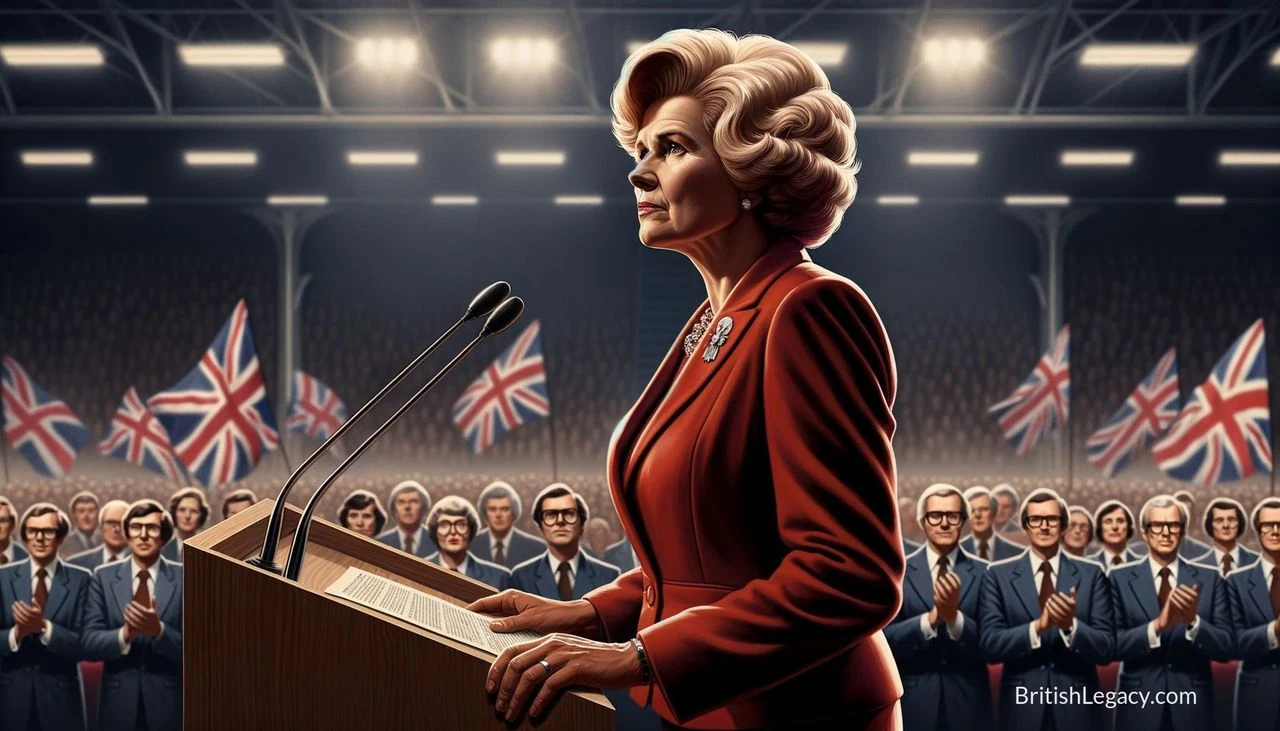
At the 1980 Conservative Party Conference, Thatcher rejected calls for a change of course. The line became a shorthand for her resolve—and the disputes surrounding her economic programme.
Read the entry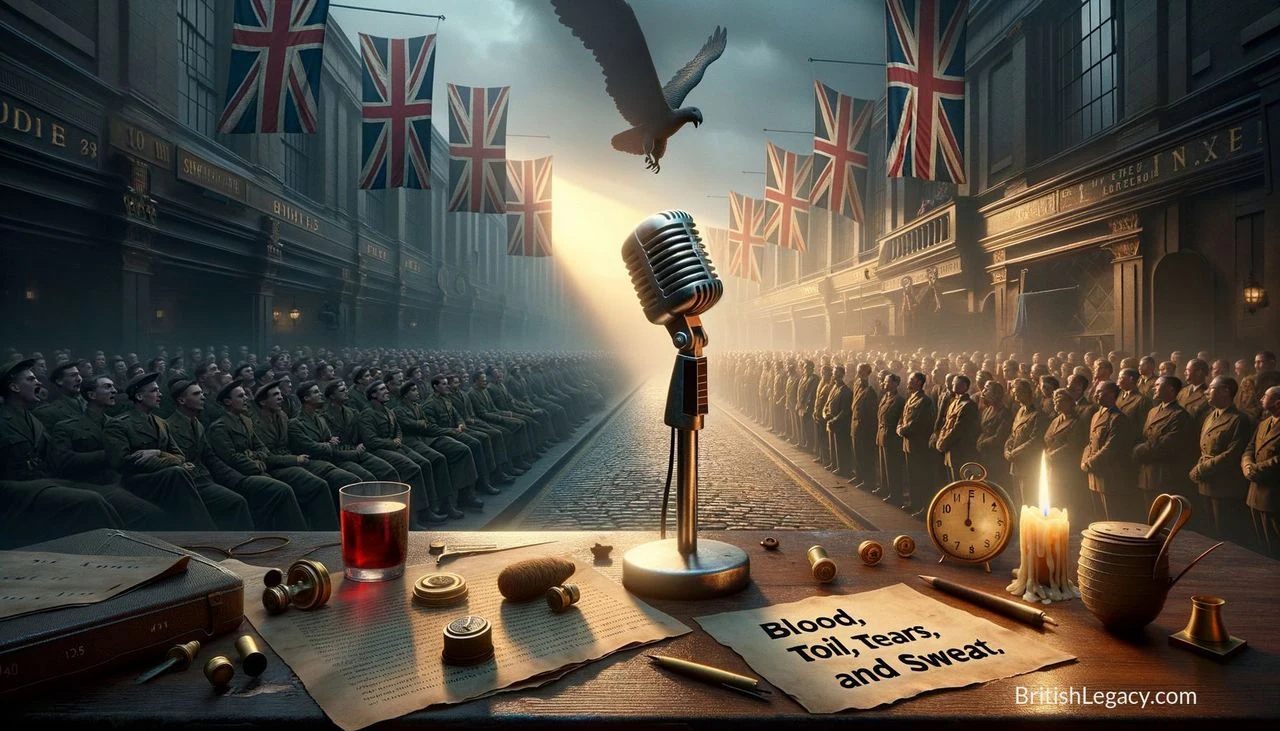
On 13 May 1940, Churchill asked the House of Commons to accept the scale of the struggle ahead and backed his new government’s policy with a stark pledge: “I have nothing to offer but blood, toil, tears, and sweat.”
Read the entry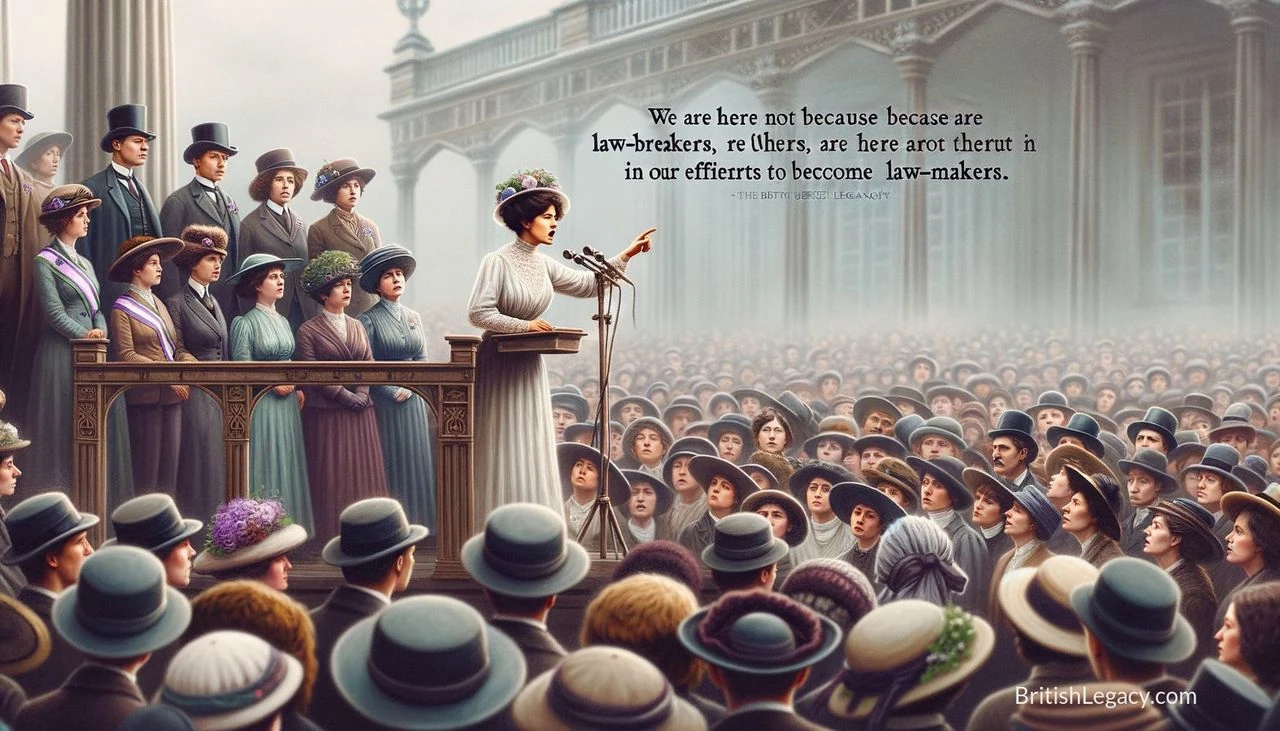
In Hartford in 1913, the British suffrage campaigner defended militant action and urged her American audience to help women win the vote.
Read the entry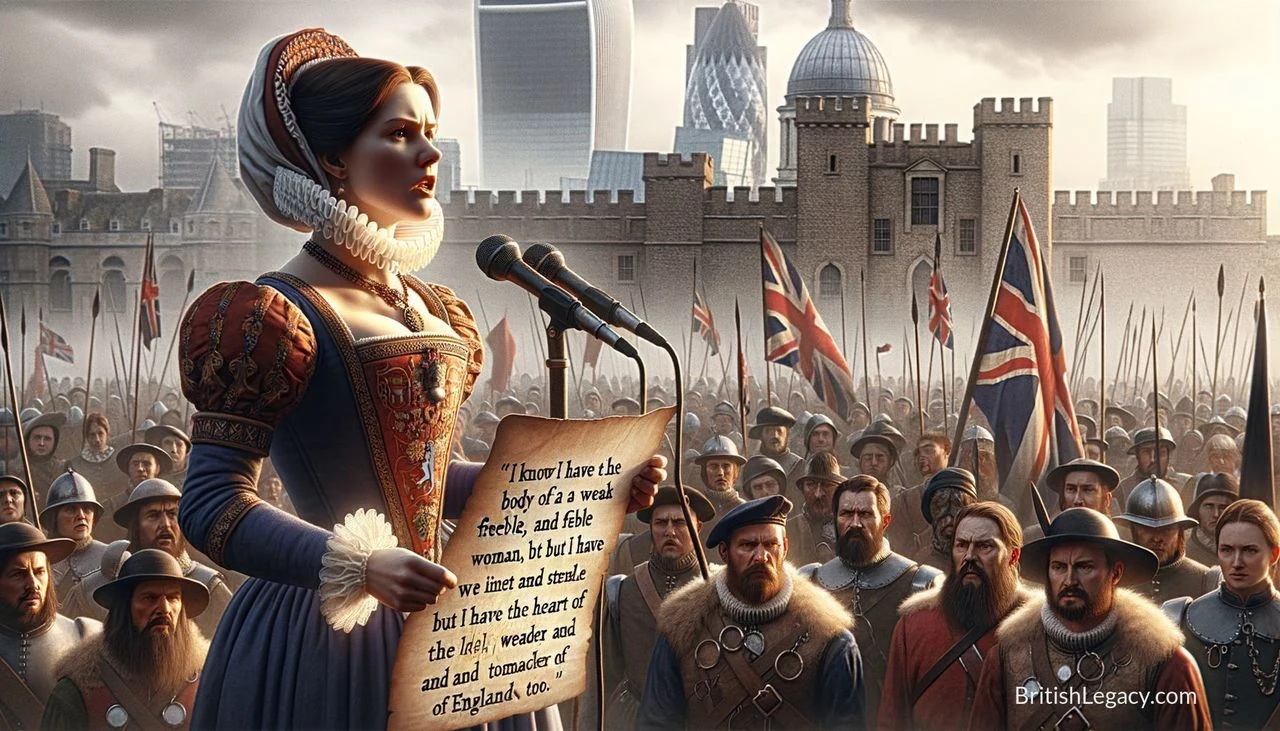
At Tilbury, Elizabeth I presented herself as both a woman and a king, pledging to share her troops’ danger and defend her realm.
Read the entry
Delivered to the House of Commons on 4 June 1940, Churchill’s address answered the Dunkirk evacuation with a pledge to continue the fight.
Read the entry
A formidable barrister and Conservative politician, F. E. Smith rose to the Lord Chancellorship, helped negotiate the Anglo-Irish Treaty and became one of Winston Churchill’s closest political friends.
Read the entry
The youngest surviving son of Charles Dickens built a long legal career of his own, while keeping his father’s work before the public.
Read the entry
From Perthshire to the King’s Bench, Mansfield reshaped English courts and commercial law. His ruling in Somerset v Stewart mattered to the history of slavery, but its legal reach was limited.
Read the entry
From wrongful-conviction cases to major inquests, Michael Mansfield KC has built a career representing people and families at the centre of contested questions of justice.
Read the entry
From the Bar to the UK Supreme Court presidency, David Neuberger’s career spans senior judicial office, work on access to the legal profession and contentious service on Hong Kong’s highest court.
Read the entry
Richard Orme Wilberforce served as a Law Lord from 1964 to 1982. The cases attributed to him in the supplied account touch on administrative law and cross-border litigation.
Read the entry
Albert Venn Dicey’s 1885 book made parliamentary sovereignty and the rule of law central to British constitutional debate. His scholarship was influential, and his political convictions were often sharply contested.
Read the entry
A courtroom storyteller and bold appellate judge, Lord Denning reshaped parts of English common law while becoming one of its best-known and most controversial figures.
Read the entry
The jurist’s four-volume Commentaries organised English common law for students and practitioners, and became a lasting influence on legal education in Britain and beyond.
Read the entry
A British Army officer turned military training ideas into a youth movement. The camp he held on Brownsea Island in 1907 helped launch a worldwide organisation, while his sister Agnes worked with him to establish the Girl Guides.
Read the entry
The English mathematician helped break German Enigma ciphers, shaped the theory of computation and asked what it might mean for a machine to think.
Read the entry
The Welsh miner and Labour politician who led the creation of Britain’s National Health Service.
Read the entry
The Manchester-born organiser who made votes for women a national political issue—and whose methods remain contested.
Read the entry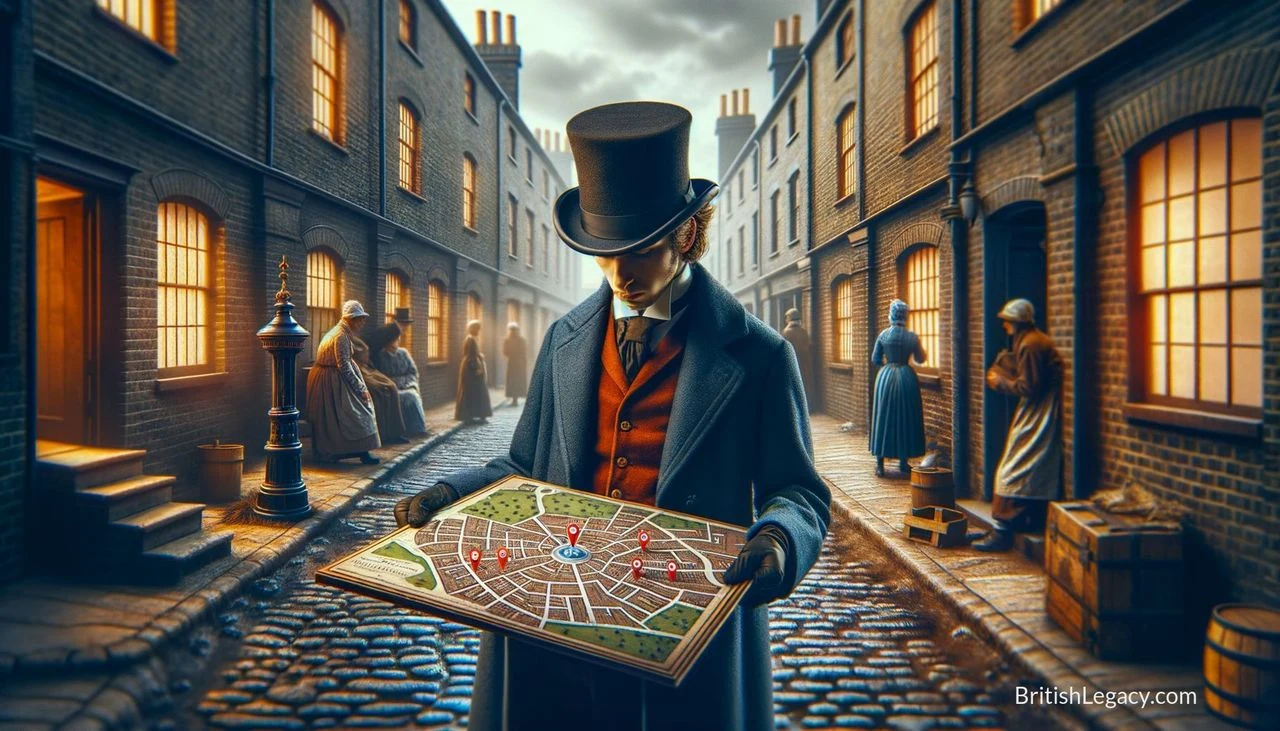
From studying surgical anaesthetics to tracing cholera in Soho, John Snow used observation and evidence to challenge medical assumptions.
Read the entry
A Scottish bacteriologist identified penicillin in 1928. Turning that laboratory observation into a treatment took the work of Fleming and a wider scientific team.
Read the entry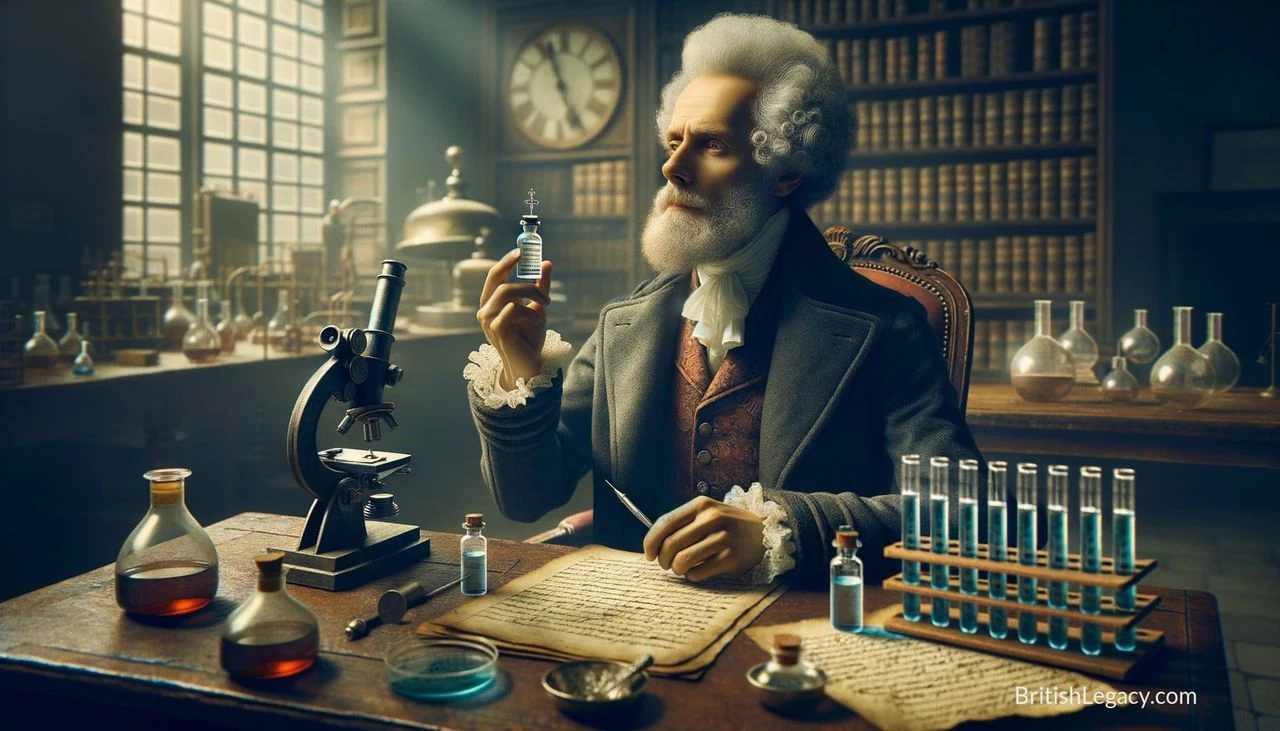
A Gloucestershire physician’s work on cowpox and smallpox helped establish vaccination as a powerful tool against disease.
Read the entry
For two decades, Wilberforce led the parliamentary campaign against Britain’s slave trade. His record also reaches beyond abolition, into religious, social and political reform—and includes views that remain open to criticism.
Read the entry
The English reformer’s work ranged from the Crimean War to nursing education and public health. Her use of statistics helped make evidence a tool of reform.
Read the entry
From the London–Bristol railway to ocean-going steamships, Brunel pursued ambitious designs whose successes and failures reshaped Victorian transport.
Read the entry
Prime Minister from 1997 to 2007, Blair led Labour to three consecutive election victories and reshaped public policy, devolution and the party’s political identity. His record is also inseparable from the controversial invasion of Iraq.
Read the entry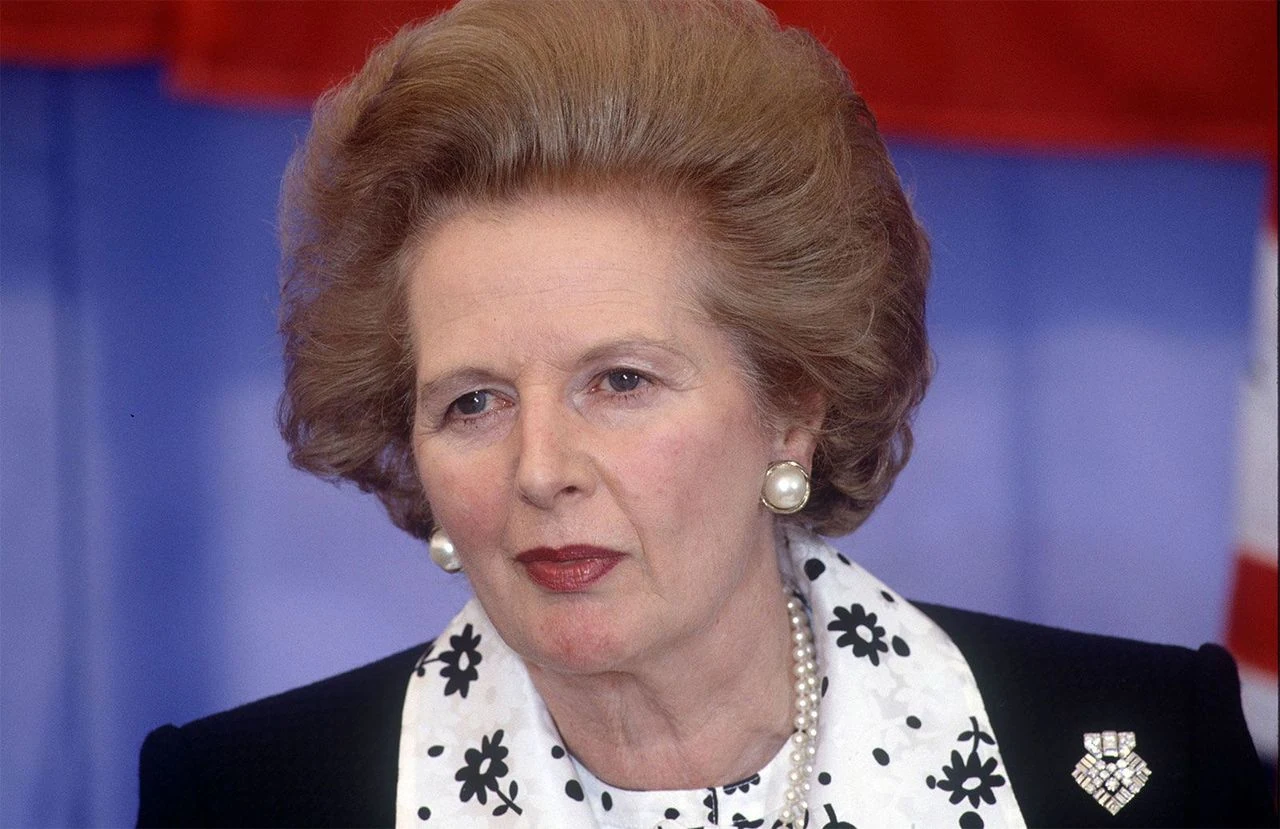
Britain’s first woman prime minister reshaped the state, the economy and the Conservative Party. Her record, from the Falklands War to the miners’ strike, remains contested.
Read the entry
Prime Minister from 1957 to 1963, Macmillan presided over rising living standards, the accelerating end of British rule in Africa and a changing relationship with the United States.
Read the entry
Prime Minister from 1945 to 1951, Attlee led the government that established the NHS, expanded social security and began the transition from empire to Commonwealth.
Read the entry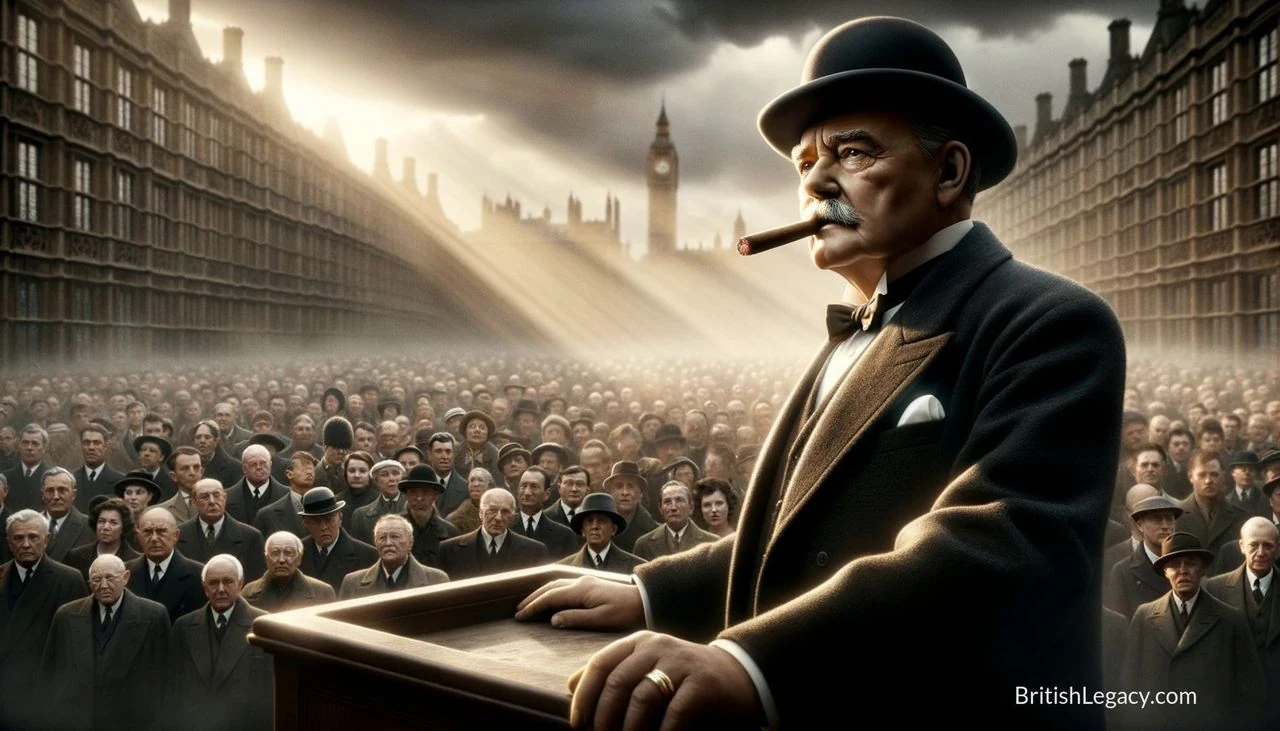
Winston Churchill’s premiership during the Second World War made him a defining figure in British public life. His long career also encompassed social reform, imperialism, political reversals and a second term shaped by foreign affairs.
Read the entry
From the People’s Budget to the Paris peace negotiations, Lloyd George reshaped British politics while leaving a record of reform, conflict and controversy.
Read the entry
Four times prime minister, Gladstone reshaped Victorian politics through financial and parliamentary reform, while his record on Ireland, empire and slavery remains contested.
Read the entry
The novelist and Conservative leader reshaped his party, extended the electorate and made Britain’s position in Europe and the empire a defining feature of his second premiership.
Read the entry
A two-time prime minister, Peel helped shape the modern Conservative Party and founded London’s Metropolitan Police. His decision to repeal the Corn Laws split his party and ended his political career.
Read the entry