
From the Foreign Office to the British Embassy in Washington, Meyer served through a consequential period in transatlantic relations before turning to writing, broadcasting and press regulation.
Read the entry →
The Scottish retailer built Sports Division from a van-based business, then helped direct private wealth towards education, entrepreneurship and development.
Read the entry →
From Tokyo and the United Nations to Washington, Pierce held senior diplomatic posts across four decades. Her ambassadorship in the United States ended in 2025; she was subsequently appointed the Prime Minister’s Special Envoy to the Western Balkans.
Read the entry →
A British diplomat whose ambassadorial career took him to South Africa during the final years of apartheid and to Washington during a period of geopolitical change.
Read the entry →
A philosopher turned senior civil servant, Oliver Franks helped shape Britain’s post-war recovery, led its delegation on Marshall aid and served as ambassador in Washington.
Read the entry →
From the Iranian Revolution to the Falklands War, the British diplomat worked at the centre of major international crises—and later examined the limits of his own judgement.
Read the entry →
A Mandarin-speaking diplomat and Margaret Thatcher’s adviser helped shape the 1984 Sino-British Joint Declaration. His pragmatic approach, and the compromises it entailed, remained controversial.
Read the entry →
From development work in New Delhi and Washington to the head of the Diplomatic Service, Michael Jay spent decades working across British government and international affairs.
Read the entry →
Diplomatic service in Naples brought Hamilton close to Vesuvius and classical antiquities, subjects he pursued through observation, collecting and publication.
Read the entry →
A senior British diplomat, Butler served as ambassador and permanent representative to the European Communities in Brussels from 1979 to 1985. Away from diplomacy, he built a major collection of seventeenth-century Chinese porcelain.
Read the entry →
As Viceroy of India, the Scottish peer oversaw constitutional change and wartime rule amid mounting demands for self-government.
Read the entry →
From wartime service in the Special Operations Executive to the United Nations and the House of Lords, Jebb’s career bridged diplomacy, European politics and public life.
Read the entry →
The English envoy served in the Mughal, Ottoman and Holy Roman empires, while his journals, negotiations and collecting made him a significant diplomatic figure of the seventeenth century.
Read the entry →
As the first British Ambassador to the United States, Pauncefote played a pivotal role in strengthening UK-US relations. He was involved in key negotiations and treaties that shaped the bilateral relationship between the two nations.
Read the entry →
A colonial administrator whose record ranged from supporting responsible government in Canada to ordering the destruction of Beijing’s Old Summer Palace.
Read the entry →
From Associated British Foods and Primark to the Garfield Weston Foundation, the family’s British connections span commerce and charitable giving.
Read the entry →
A diplomat, MP, writer and diarist, Nicolson recorded the negotiations and political crises in which he took part, while helping to create the gardens at Sissinghurst.
Read the entry →
From a Dublin brewery to housing trusts in London, the Guinness story joins brewing enterprise with philanthropy across Britain and Ireland.
Read the entry →
From sheep-farming wealth and Althorp to the peerage, parliamentary life and Diana, Princess of Wales, the Spencer story spans centuries of British public life.
Read the entry →
Sir James Dyson built a household-appliance business around engineering and product design. The family name is also associated with efforts to encourage new generations of designers and engineers.
Read the entry →
David and Frederick Barclay built a business portfolio whose best-known British chapter was ownership of The Telegraph Group.
Read the entry →
From John Cadbury’s Birmingham cocoa business to the community built around Bournville, the family’s story joined commercial enterprise with ambitions for workers’ welfare and wider reform.
Read the entry →
The family behind a major British supermarket business also built a lasting record of support for the arts, education and research.
Read the entry →
Brothers David and Simon Reuben moved to Britain as children and built business interests spanning metals, property and investment.
Read the entry →
From an inheritance in rural Middlesex to the development of Mayfair and Belgravia, the Grosvenors’ history is closely tied to London’s changing landscape.
Read the entry →
Named by George V in 1917, the House of Windsor is closely associated with Britain’s constitutional monarchy, public ceremonies and charitable work.
Read the entry →
With Indian roots and a significant presence in Britain, the Hinduja family built a diversified international business group and supported work in fields including health and education.
Read the entry →
From Nathan Mayer Rothschild’s London bank to the family’s lasting presence in finance, culture and philanthropy, the Rothschild story is European in scale and closely tied to Britain.
Read the entry →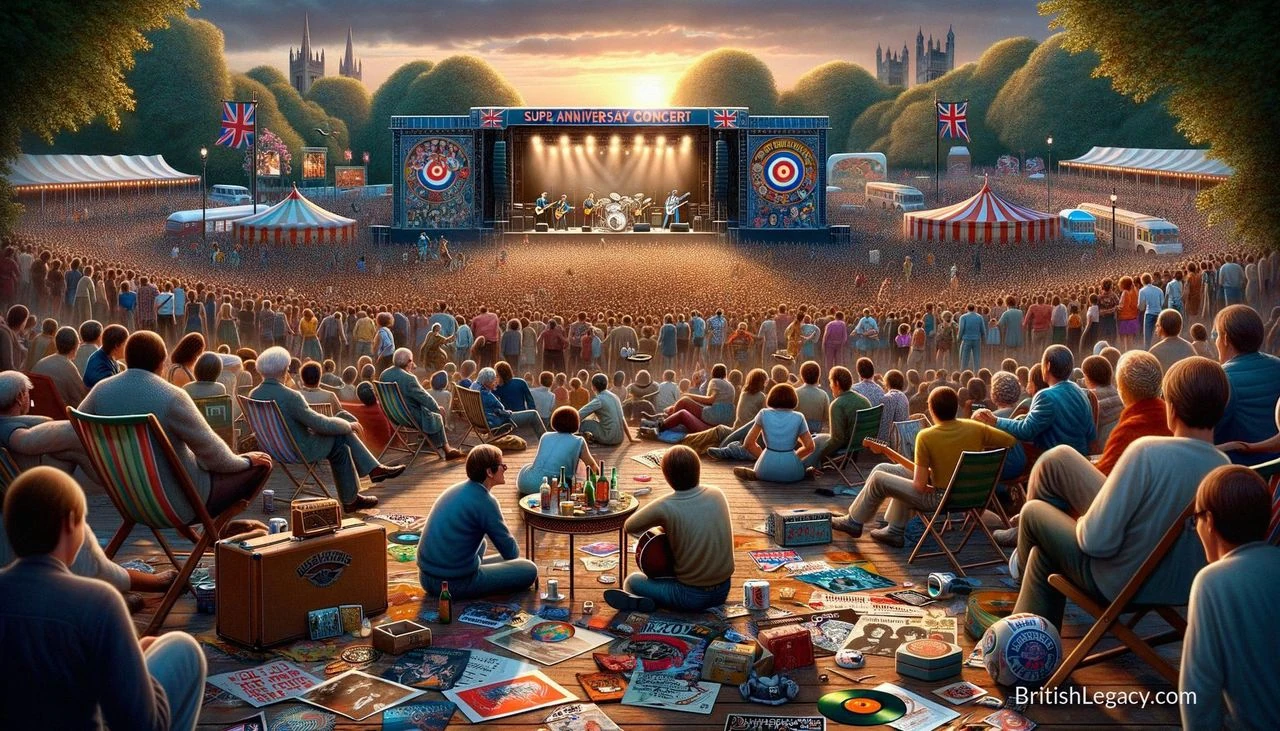
Two July concerts brought the band back to the site of its 1969 performance, linking a landmark moment in its history with a 50th-anniversary celebration.
Read the entry →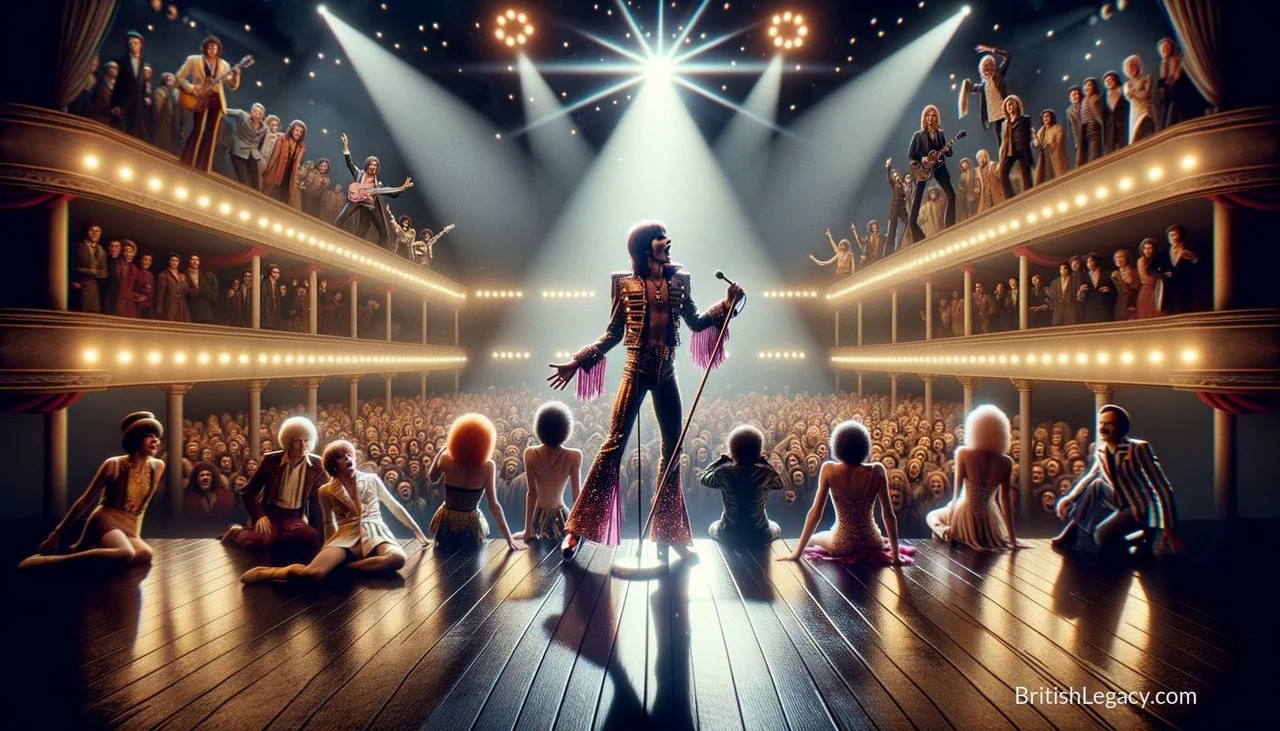
On 3 July 1973, Bowie announced the end of Ziggy Stardust on stage in London, closing a defining chapter in his career without ending his own.
Read the entry →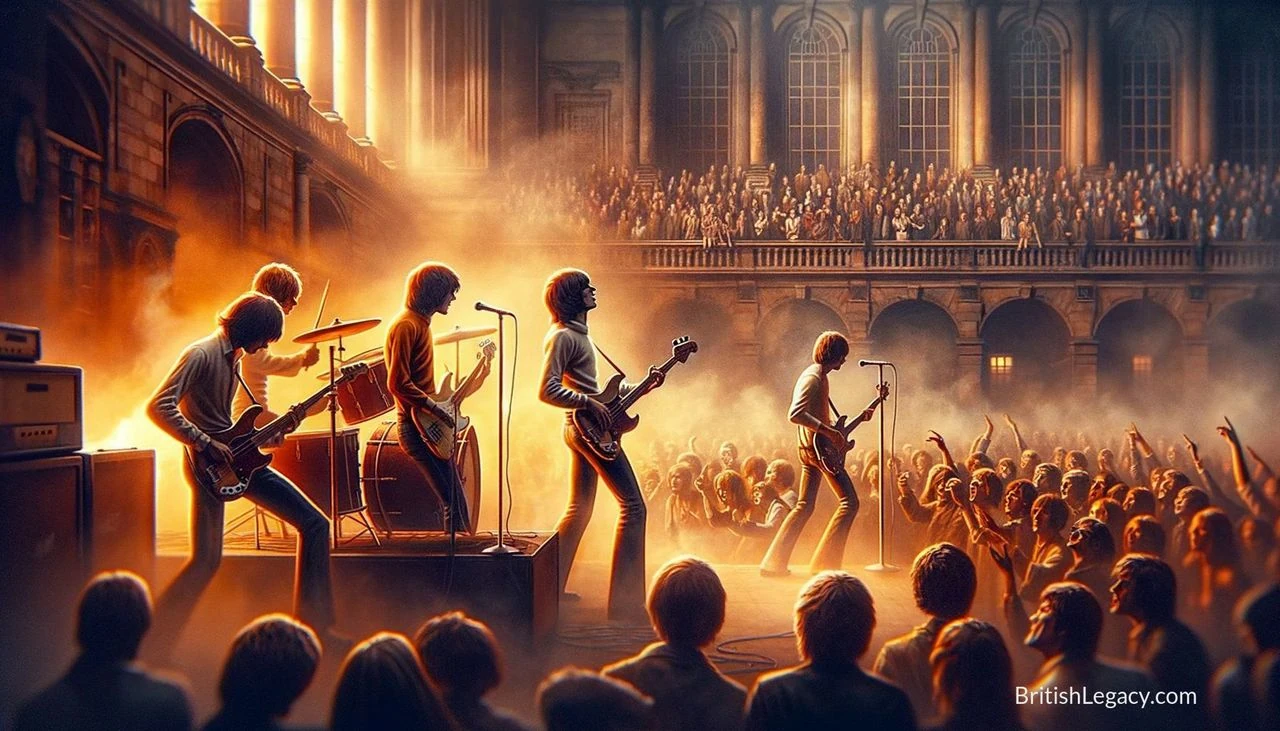
Recorded at the University of Leeds in 1970, the album captures The Who in concert, with a set spanning original songs and cover versions.
Read the entry →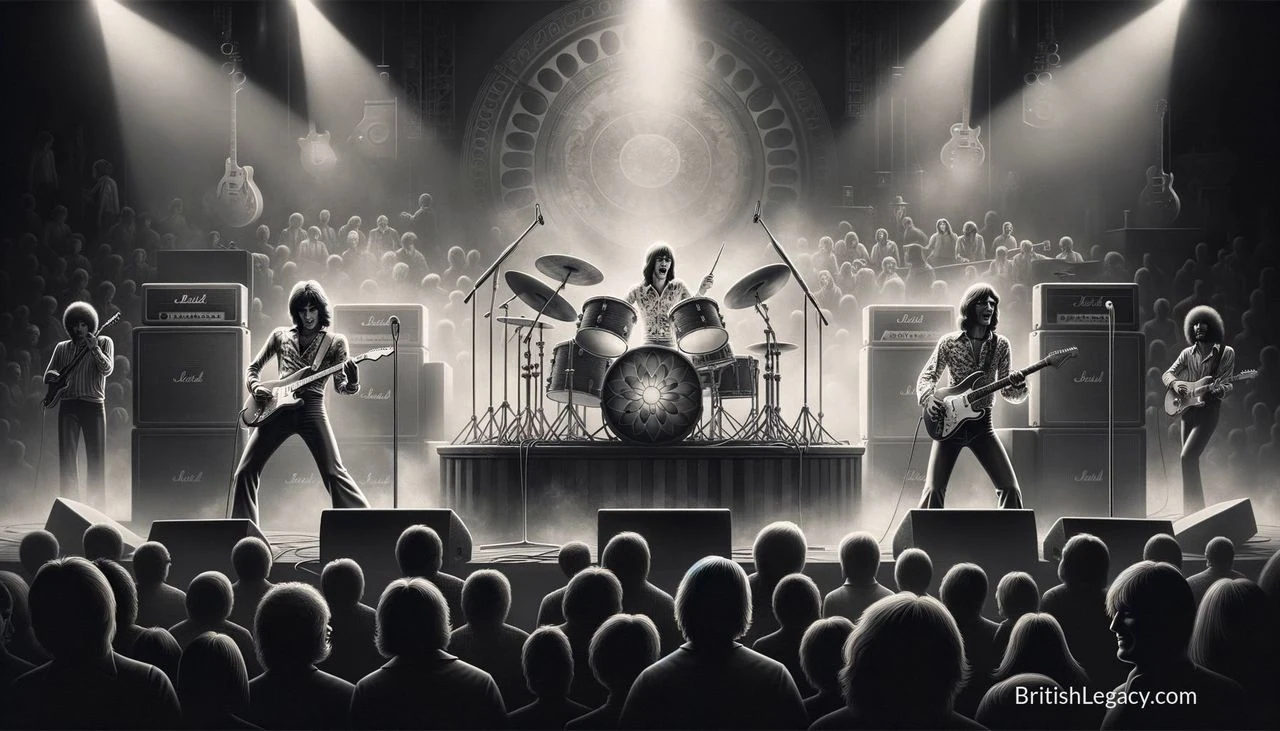
Five London concerts in May 1975 brought Led Zeppelin’s expansive live sound to Earl’s Court, with performances of “Stairway to Heaven” and “Whole Lotta Love”.
Read the entry →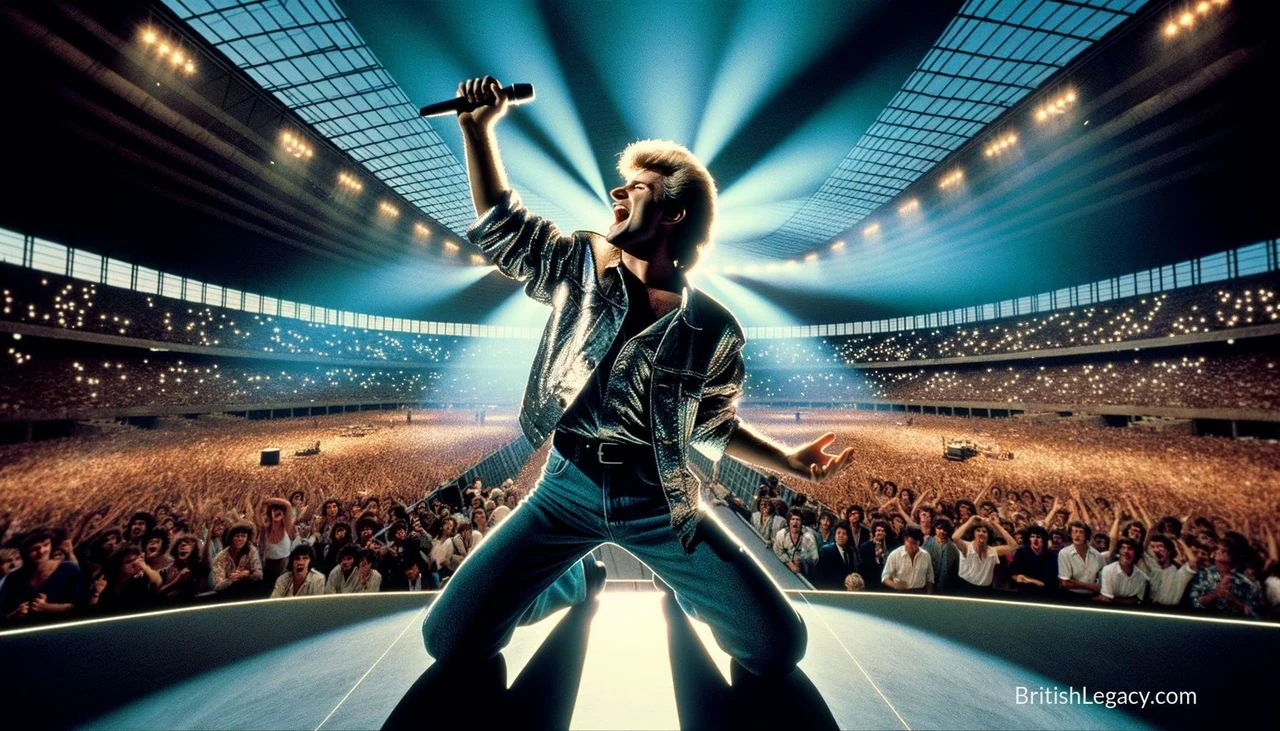
On 11 and 12 July 1986, Queen brought the Magic Tour to Wembley Stadium. Recordings later carried the performances to audiences far beyond London.
Read the entry →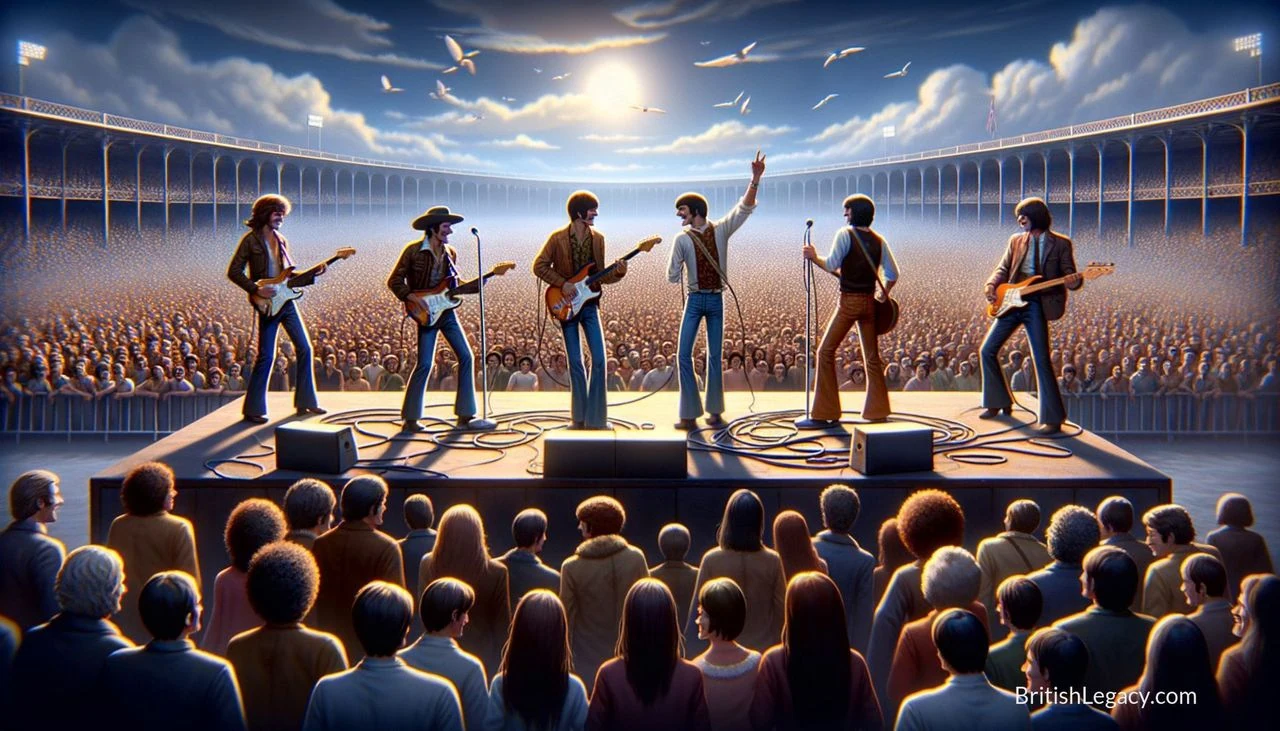
Two days after Brian Jones’s death, the Stones played a free concert in Hyde Park. Mick Taylor made his debut as the band honoured its founding member before a crowd estimated at 250,000.
Read the entry →
Founded through Newcastle’s medical and scientific colleges, the university became independent in 1963 and remains closely tied to the North-east.
Read the entry →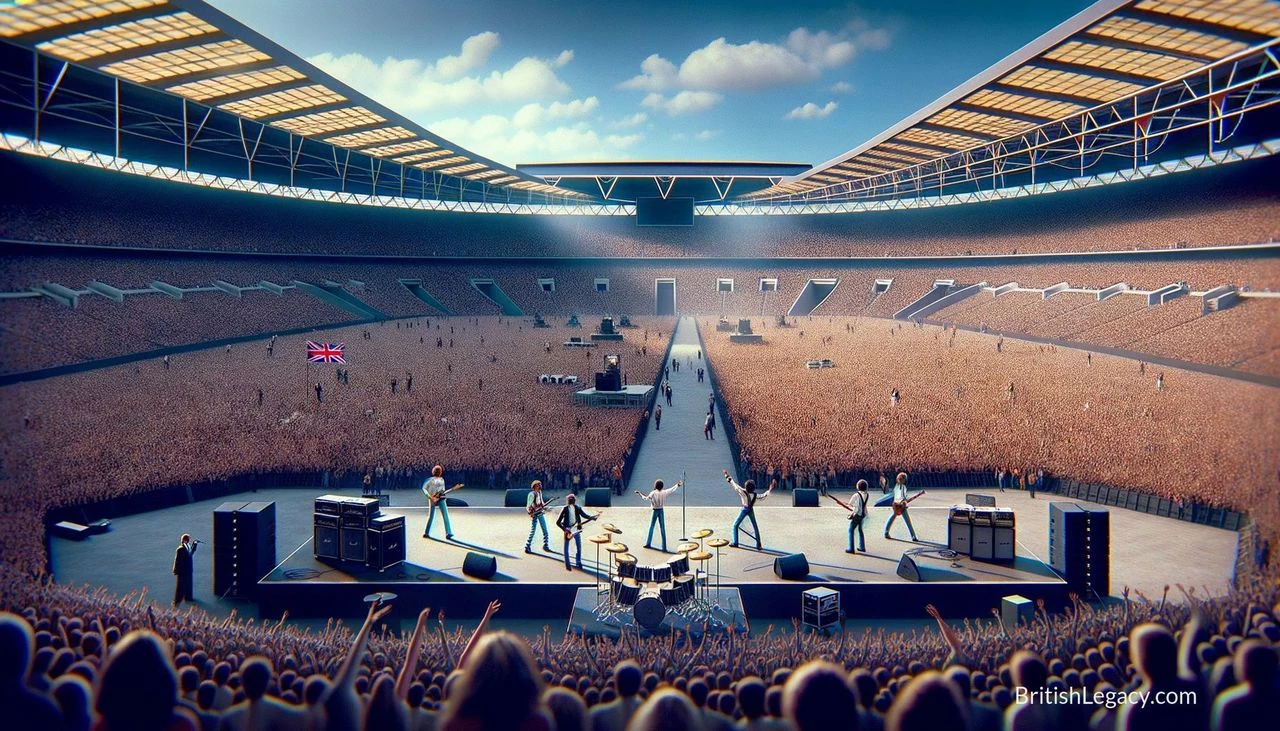
On 13 July 1985, musicians performed in London and Philadelphia as a live television broadcast turned famine relief into an international event. Wembley’s Queen set became one of the day’s defining moments.
Read the entry →
On 15 August 1965, the Beatles played to more than 55,000 people at New York’s Shea Stadium. The concert made the scale of Beatlemania visible and tested what a rock performance could be in a stadium.
Read the entry →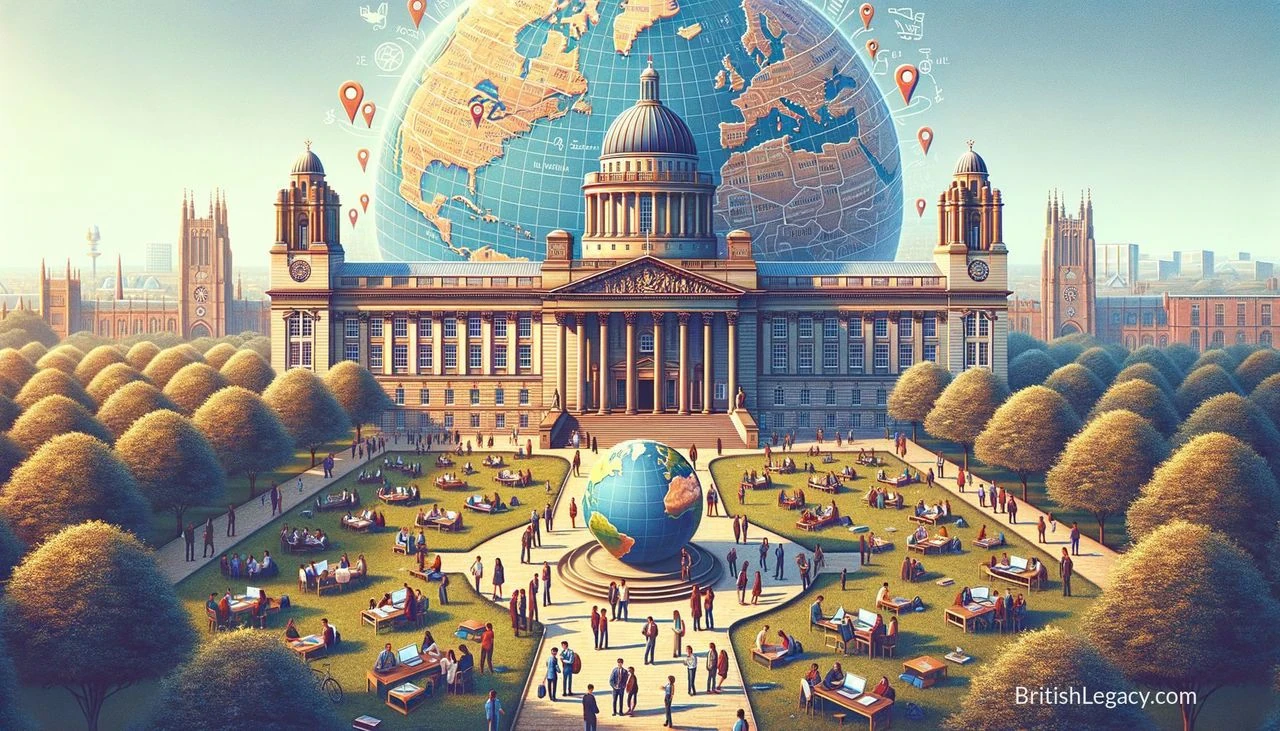
Founded as a college in 1881, Liverpool became an independent university in 1903. Its history links civic education with landmark work in science, medicine and engineering.
Read the entry →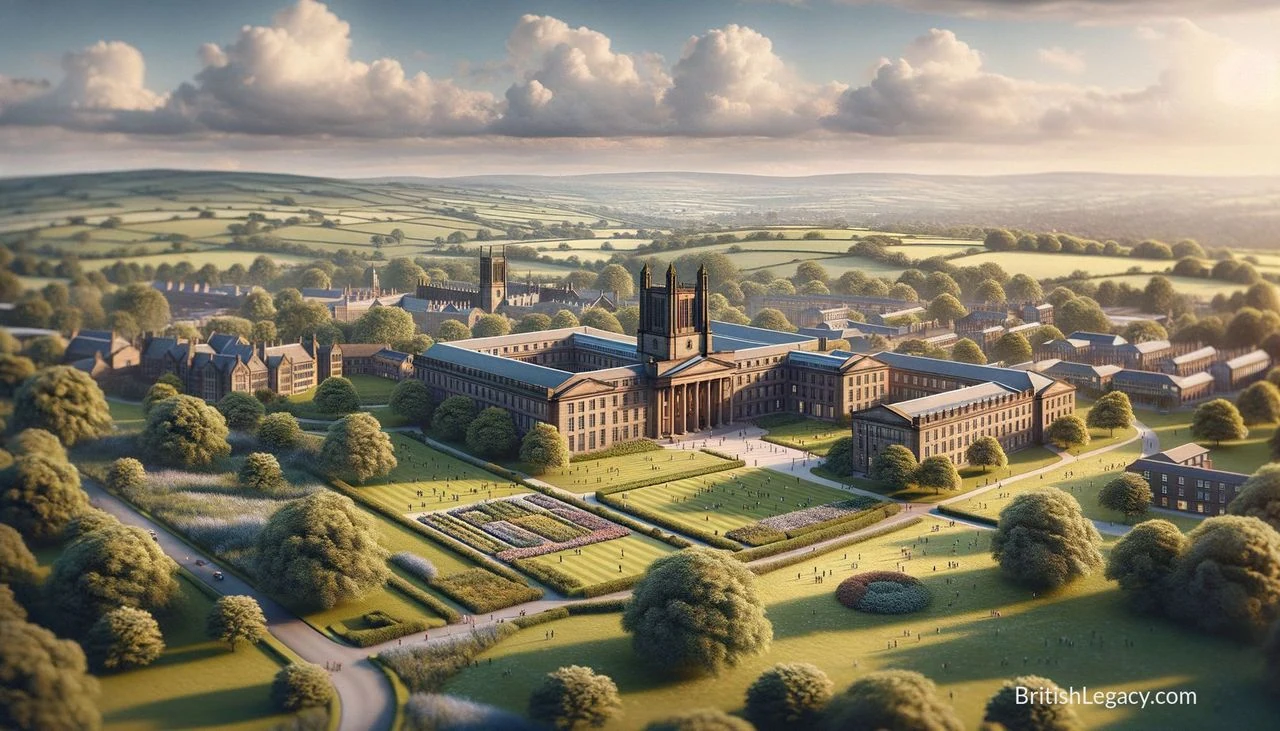
Founded in 1964, Lancaster University grew from temporary city-centre premises into a purpose-built campus at Bailrigg, combining a distinctive college system with research and teaching across a broad range of subjects.
Read the entry →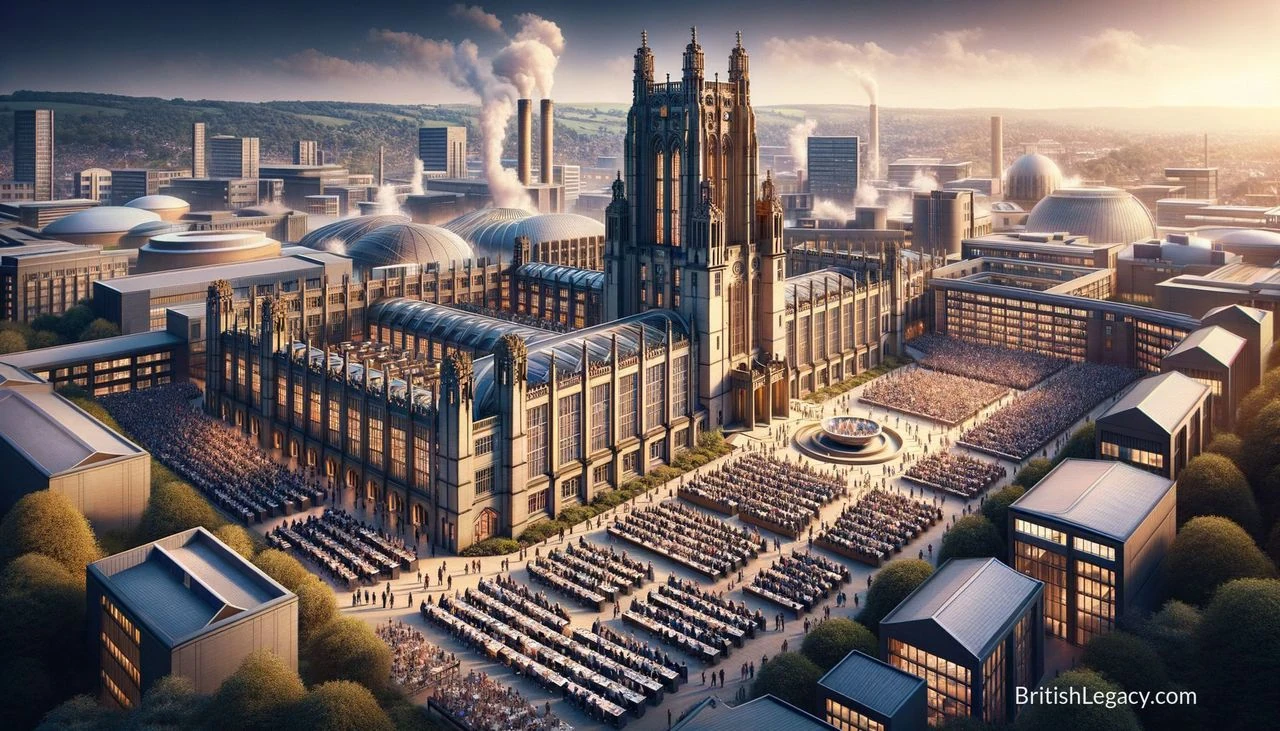
Founded in 1905 after a long local campaign, Sheffield grew from medical, technical and civic institutions into a research university rooted in the industrial city that helped create it.
Read the entry →