
Dame Judi Dench: a life in British theatre and film
From Shakespeare on the stage to M in the Bond films, Judi Dench built a seven-decade career across theatre, television and cinema.
Read the entryFrom Shakespeare on the stage to M in the Bond films, Judi Dench built a seven-decade career across theatre, television and cinema.
Read the entry
From the first Harry Potter novel to crime fiction and philanthropy, Rowling’s work has shaped children’s publishing and popular culture.
Read the entry
Jamaican healer and businesswoman Mary Seacole travelled to Crimea, where her British Hotel served officers and her work brought comfort to sick and wounded soldiers.
Read the entry
An English chemist and X-ray crystallographer whose research ranged from coal and graphite to DNA and viruses.
Read the entry
The creator of Peter Rabbit was also a scientific illustrator, businesswoman and determined guardian of the landscape that shaped her life.
Read the entry
The Quaker reformer challenged the treatment of women in prison and carried her practical approach into work with transported prisoners, the poor and nurses.
Read the entry
The Devon-born novelist who created Poirot and Miss Marple, and whose work continues to shape crime fiction and the West End stage.
Read the entry
The English mathematician and writer saw how Charles Babbage’s proposed machine might work with symbols as well as numbers.
Read the entry
The English writer and philosopher challenged the denial of women’s education and argued that society, not nature, made them seem intellectually inferior.
Read the entry
From Bloomsbury to the Hogarth Press, Woolf joined formal experiment to a searching argument about women’s lives, education and independence.
Read the entry
Born in Warsaw and established as a scientist in France, Marie Curie transformed the study of radioactivity. Her work also reached Britain through the Royal Institution, Ernest Rutherford and a major Edinburgh award.
Read the entry
From anonymous publication to lasting international readership, Austen made the pressures of money, marriage and social rank the substance of enduring fiction.
Read the entry
From HIV and leprosy awareness to the campaign against landmines, Diana used the visibility of royal life to bring attention to people often kept at a distance.
Read the entry
Her 63-year reign reshaped the monarchy and witnessed industrial and political change, imperial expansion and the Victorian age.
Read the entry
From Manchester reformer to leader of the WSPU, Pankhurst helped make women’s enfranchisement a central question in British politics.
Read the entry
Britain’s first woman prime minister reshaped the Conservative Party and the state, leaving a political inheritance that remains fiercely debated.
Read the entry
Hungarian-born mathematician John von Neumann helped shape quantum theory, game theory and computing, while his work also served wartime and government programmes.
Read the entry
The English reformer helped professionalise nursing and used evidence to press for better sanitation in hospitals, the army and public life.
Read the entry
Elizabeth I ruled England from 1558 to 1603. Her reign became associated with a flourishing of literature and the arts, overseas voyages and a lasting religious settlement.
Read the entry
From telegraph lines to the equations used to describe electromagnetic fields, Heaviside made difficult mathematics more useful to engineers.
Read the entry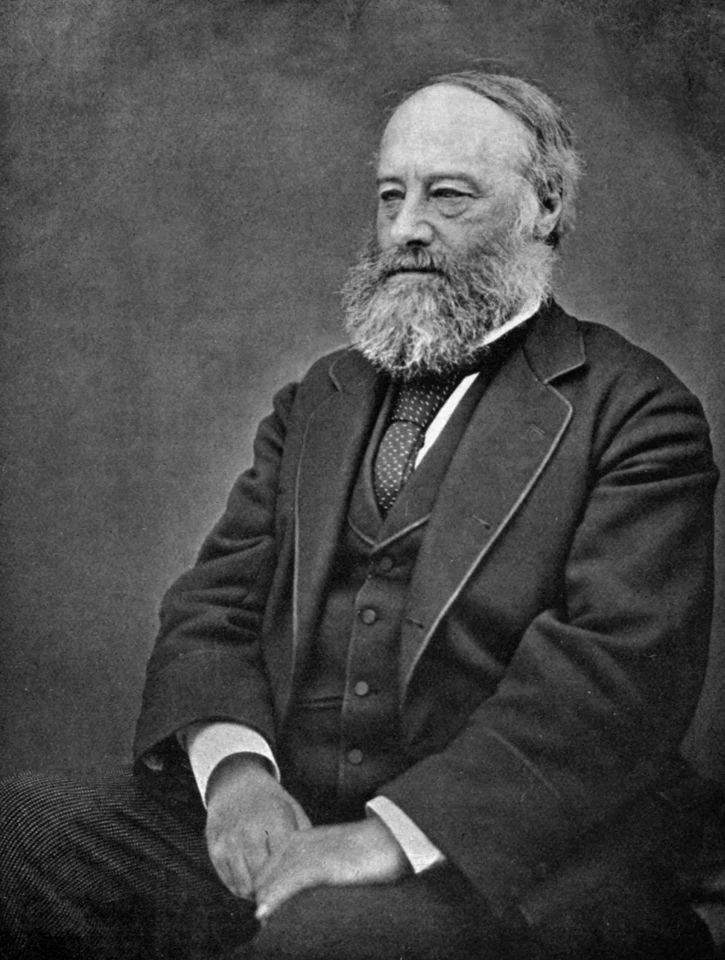
The Salford physicist used painstaking experiments to show how heat and mechanical work are related, helping to establish the foundations of thermodynamics.
Read the entry
The American computer scientist helped shape Smalltalk, the modern windowed desktop and the Dynabook vision of personal computing.
Read the entry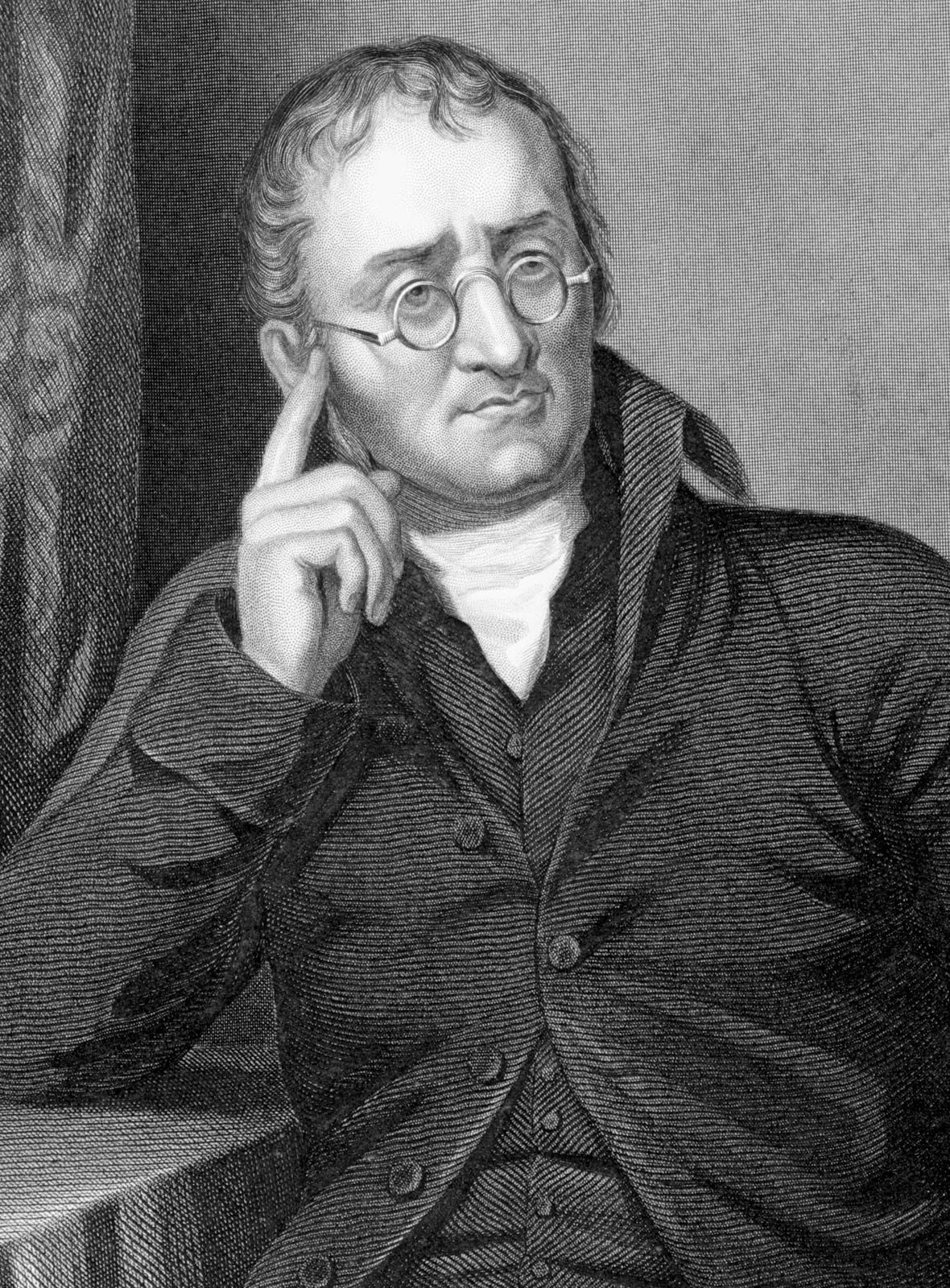
The English chemist, physicist and meteorologist made atoms part of a quantitative account of matter—and pursued careful observation across several fields.
Read the entry
Inventor and scientist who contributed to the development of the telegraph and the Wheatstone bridge for measuring electrical resistance.
Read the entry
Born in London to American parents, Shockley helped shape semiconductor research in the United States. His scientific achievements and his later advocacy of racism and eugenics belong in the same account.
Read the entry
The Yorkshire physicist helped achieve the first artificial disintegration of an atomic nucleus, then led major British and Canadian research institutions.
Read the entry
From tracking thunderstorms by radio to Chain Home, Watson-Watt’s work helped give Britain vital warning of approaching aircraft.
Read the entry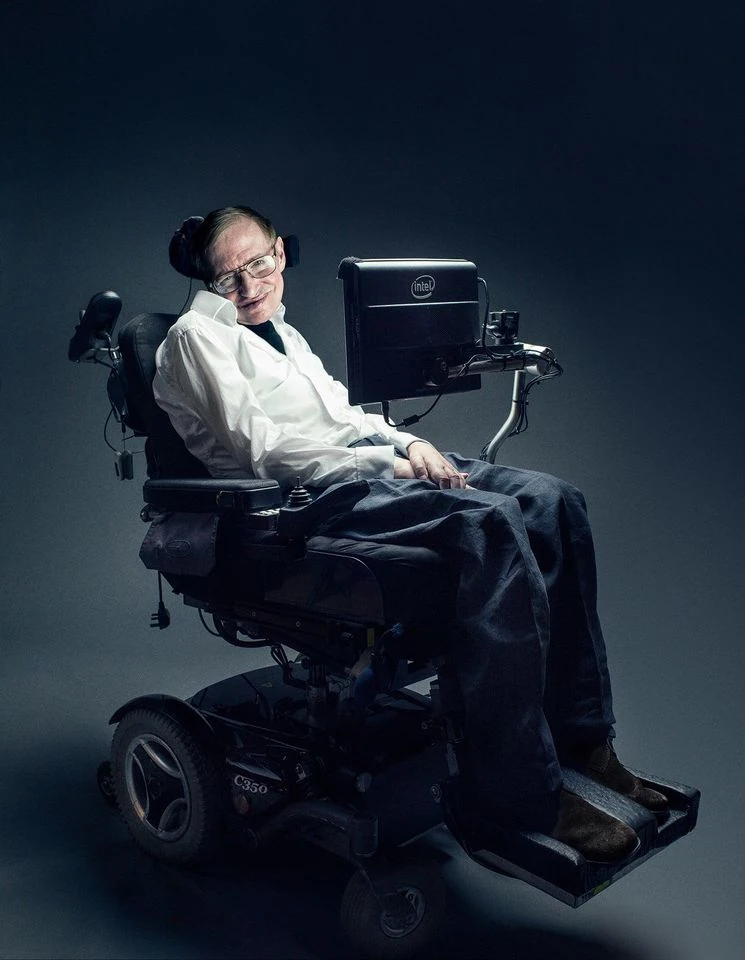
The English physicist transformed the study of black holes and brought cosmology to a worldwide audience.
Read the entry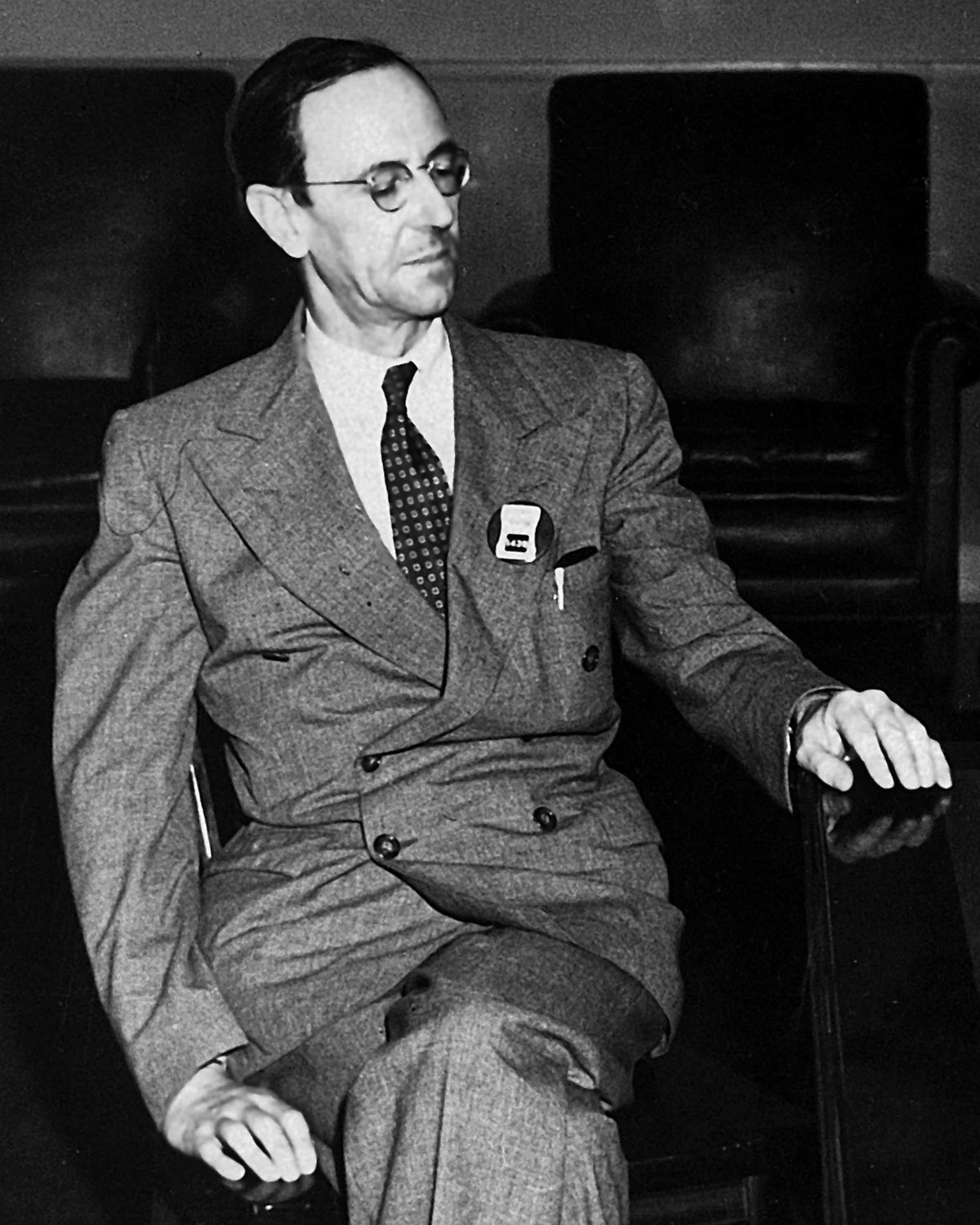
From wartime internment to the Cavendish Laboratory and the Manhattan Project, Chadwick’s work reshaped nuclear physics and carried grave consequences.
Read the entry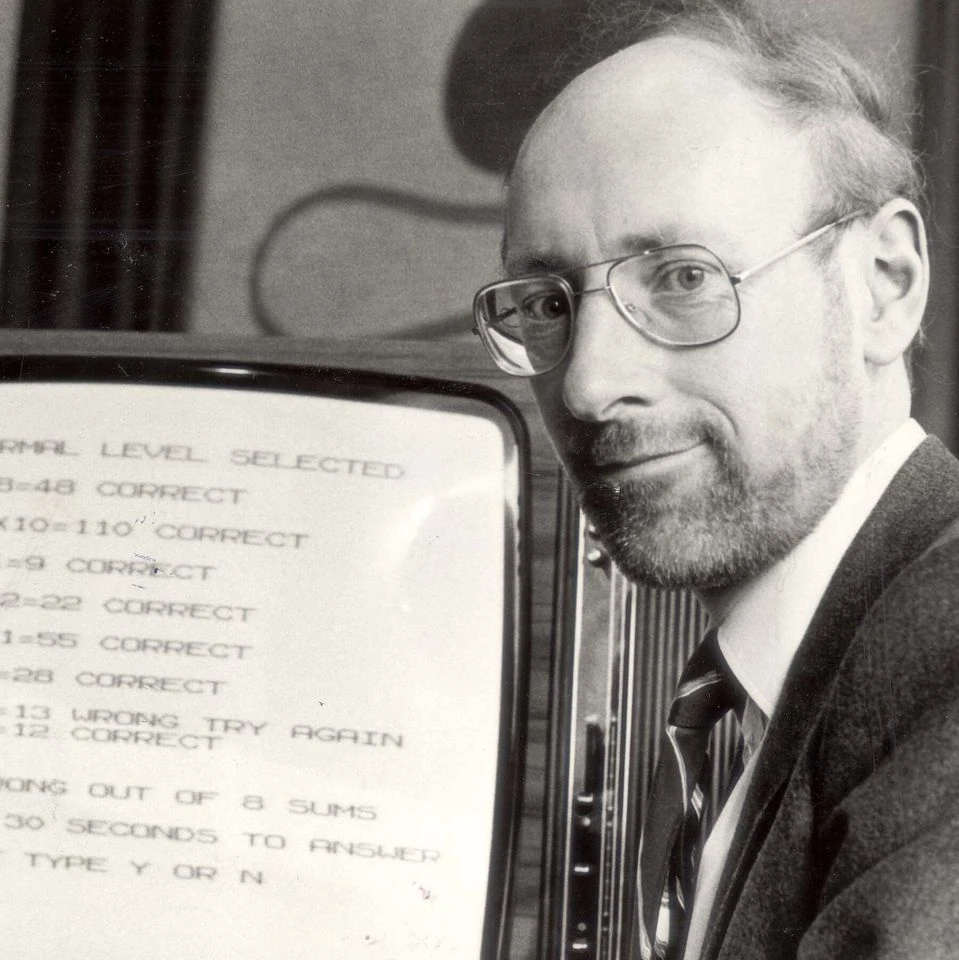
From pocket calculators to the ZX Spectrum, Sinclair made low-cost electronics his ambition—and helped shape Britain’s early home-computer and video-game industries.
Read the entry
The British embryologist led the Roslin research group whose cloning breakthrough transformed debates about cell development and biotechnology.
Read the entry
Born in Haifa and educated in Britain, David Deutsch developed ideas that helped establish quantum computation as a field of research.
Read the entry
The British neuroscientist helped establish long-term potentiation as a model for how the brain changes with experience.
Read the entry
Born in London and educated at Cambridge and Edinburgh, Geoffrey Hinton helped make neural networks central to modern artificial intelligence.
Read the entry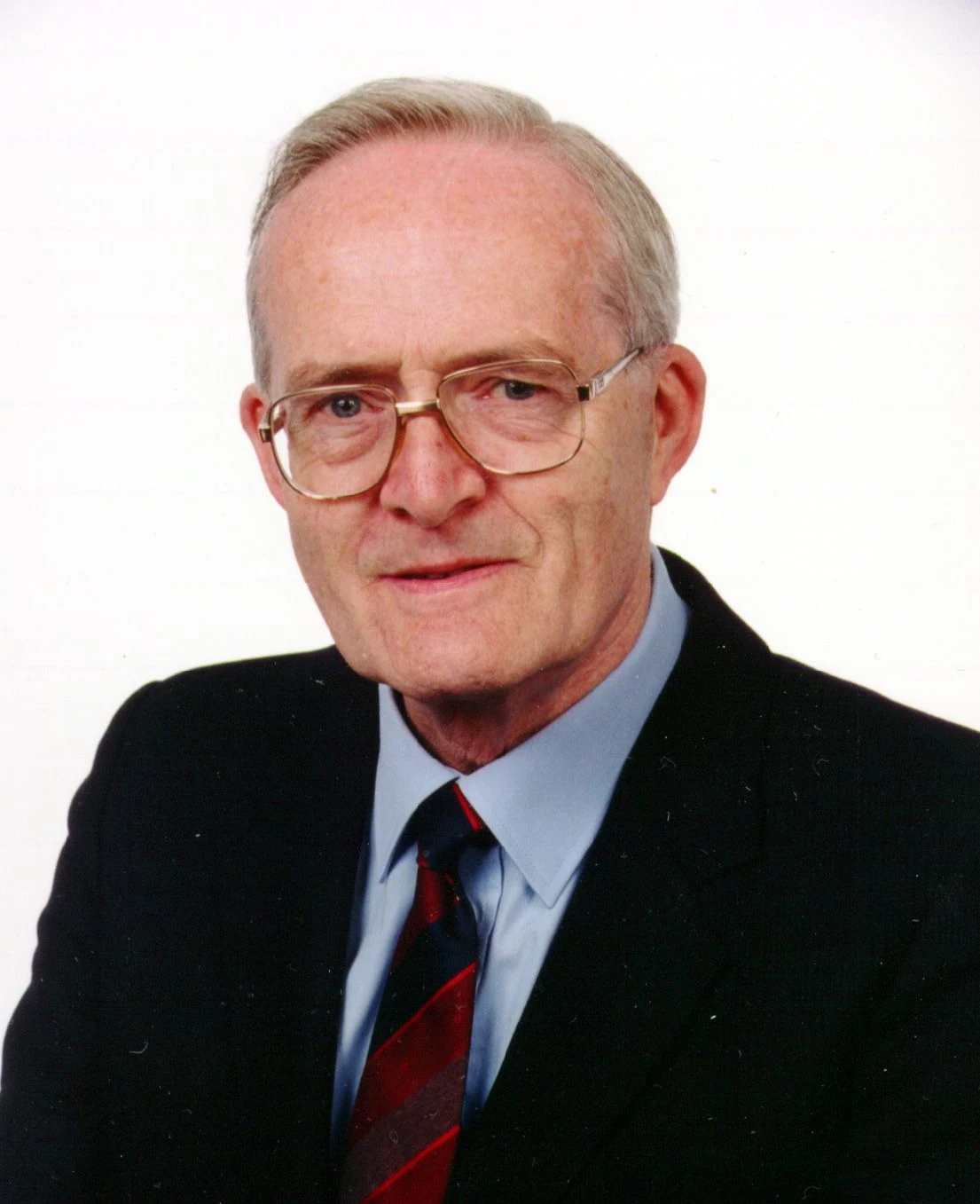
From the Manchester Baby to Atlas, the mathematician and engineer helped build a succession of pioneering computers in Manchester.
Read the entry
From the National Physical Laboratory, Davies developed packet switching and helped turn a new idea about computer communication into a working network.
Read the entry
His pulse-code modulation invention addressed noise in long-distance speech; wartime radio navigation and post-war optical-fibre research formed part of a wider engineering career.
Read the entry
The Yorkshire engineer separated lift, propulsion and control, then tested his ideas through models and a human-carrying glider.
Read the entry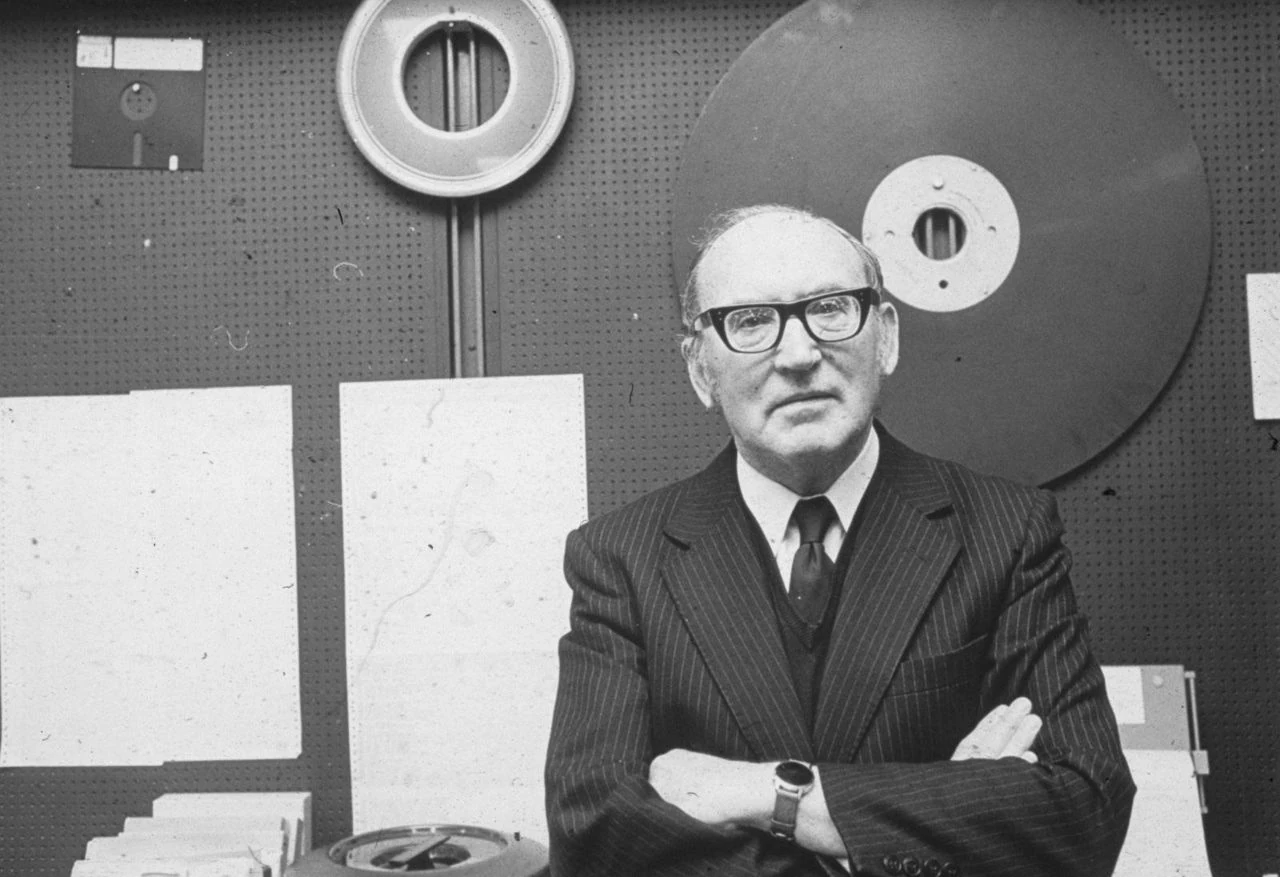
The Cambridge computer scientist helped build EDSAC, developed microprogramming and shaped the practical foundations of computing.
Read the entry
His 1979 connection between a domestic television and a transaction computer anticipated online shopping—and formed part of a wider vision for connected homes and businesses.
Read the entry