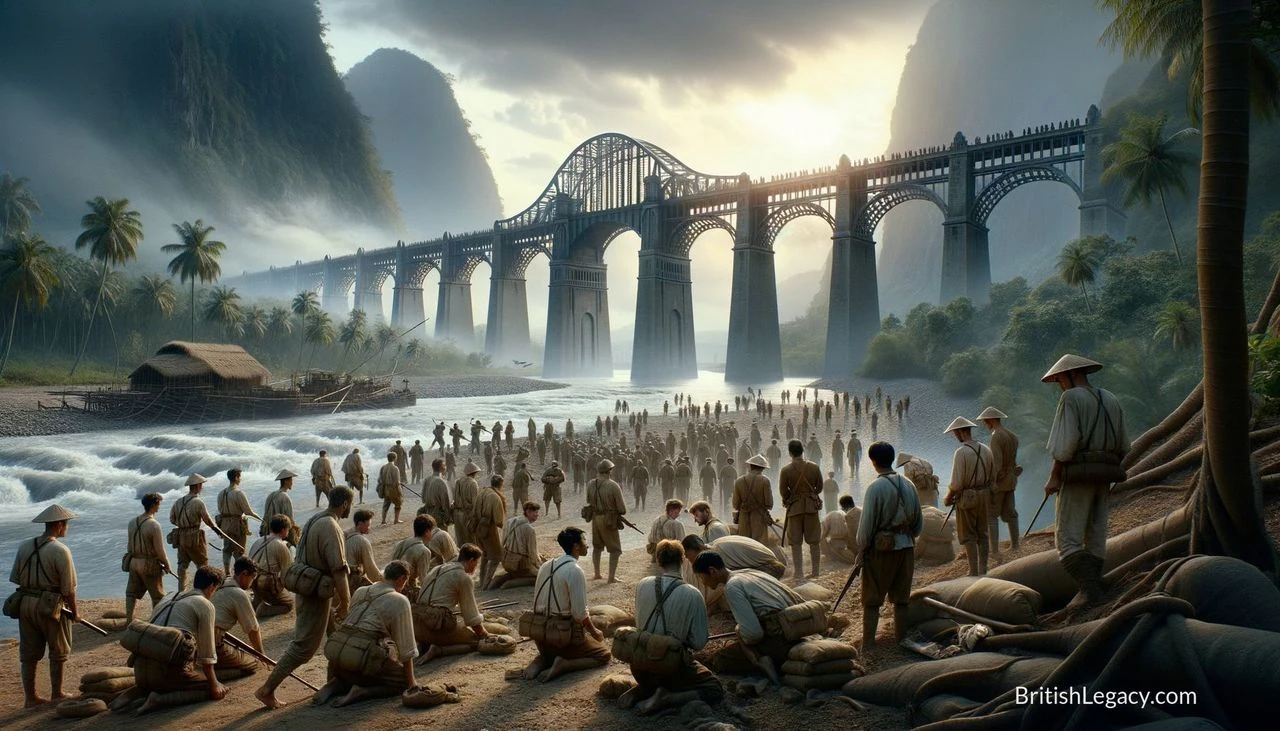
The Bridge on the River Kwai
David Lean’s 1957 war film turns a fictional prisoner-of-war story into a searching drama about duty, collaboration and the costs of obedience.
Read the entryDavid Lean’s 1957 war film turns a fictional prisoner-of-war story into a searching drama about duty, collaboration and the costs of obedience.
Read the entry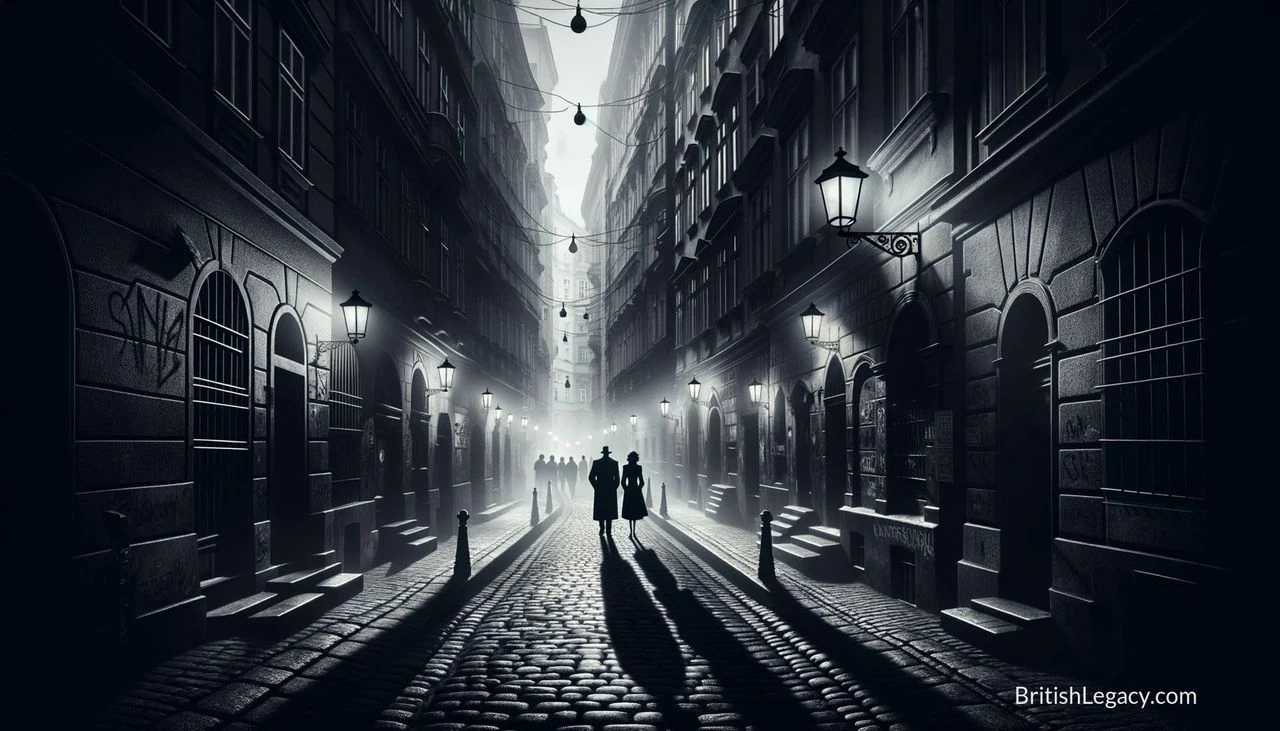
Carol Reed’s 1949 thriller turned Allied-occupied Vienna into a maze of suspicion, with Graham Greene’s story, Robert Krasker’s tilted images and Anton Karas’s zither score working in concert.
Read the entry
Michael Powell and Emeric Pressburger’s 1948 dance drama turned a ballet about an enchanted pair of shoes into a bold experiment in colour, movement and cinematic storytelling.
Read the entry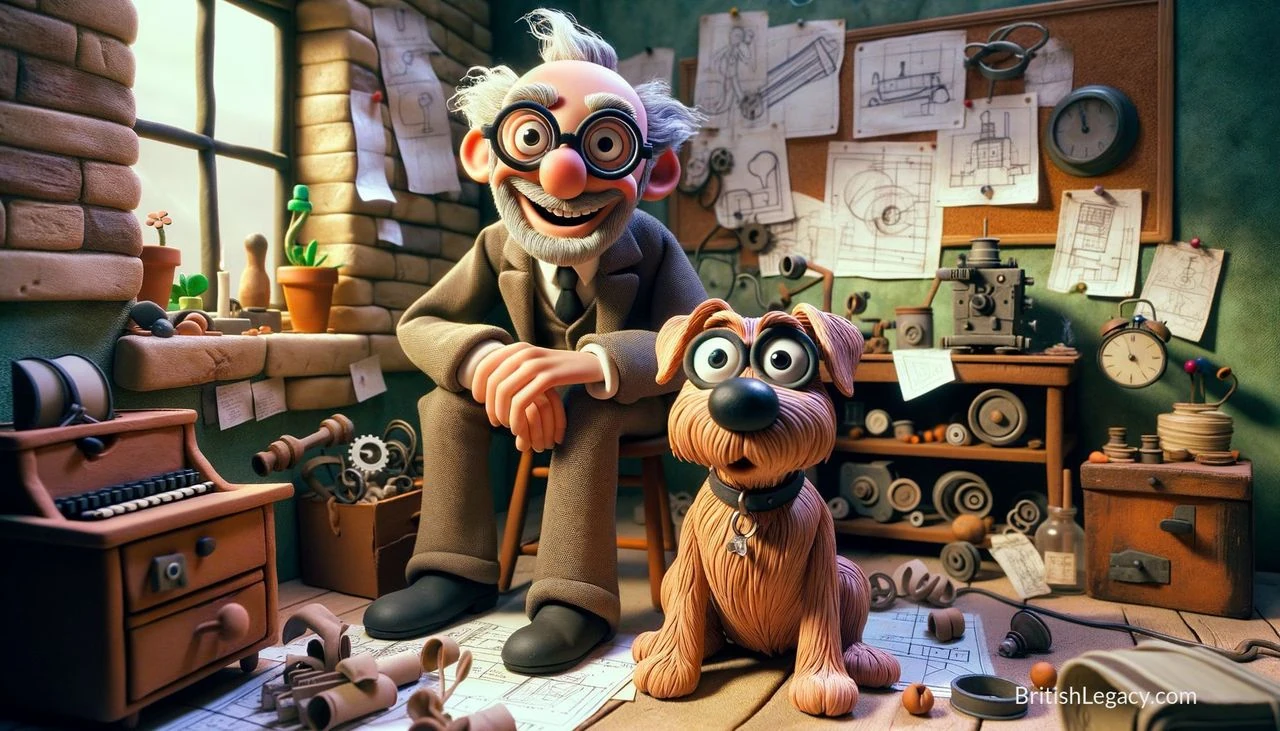
Nick Park’s clay-animation duo grew from a student film into an award-winning Aardman franchise, rooted in British humour and painstaking craft.
Read the entry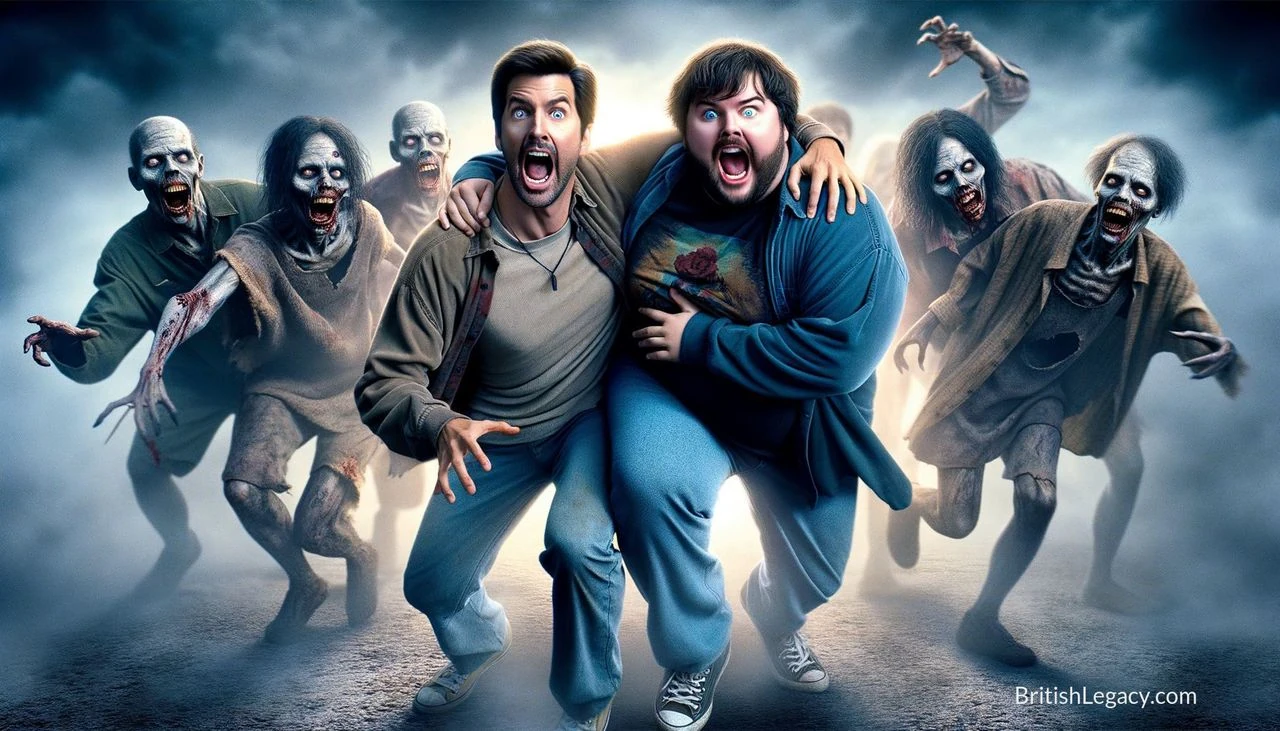
Edgar Wright and Simon Pegg turned a familiar British morning-after routine into a carefully constructed horror comedy with a lasting place in popular cinema.
Read the entry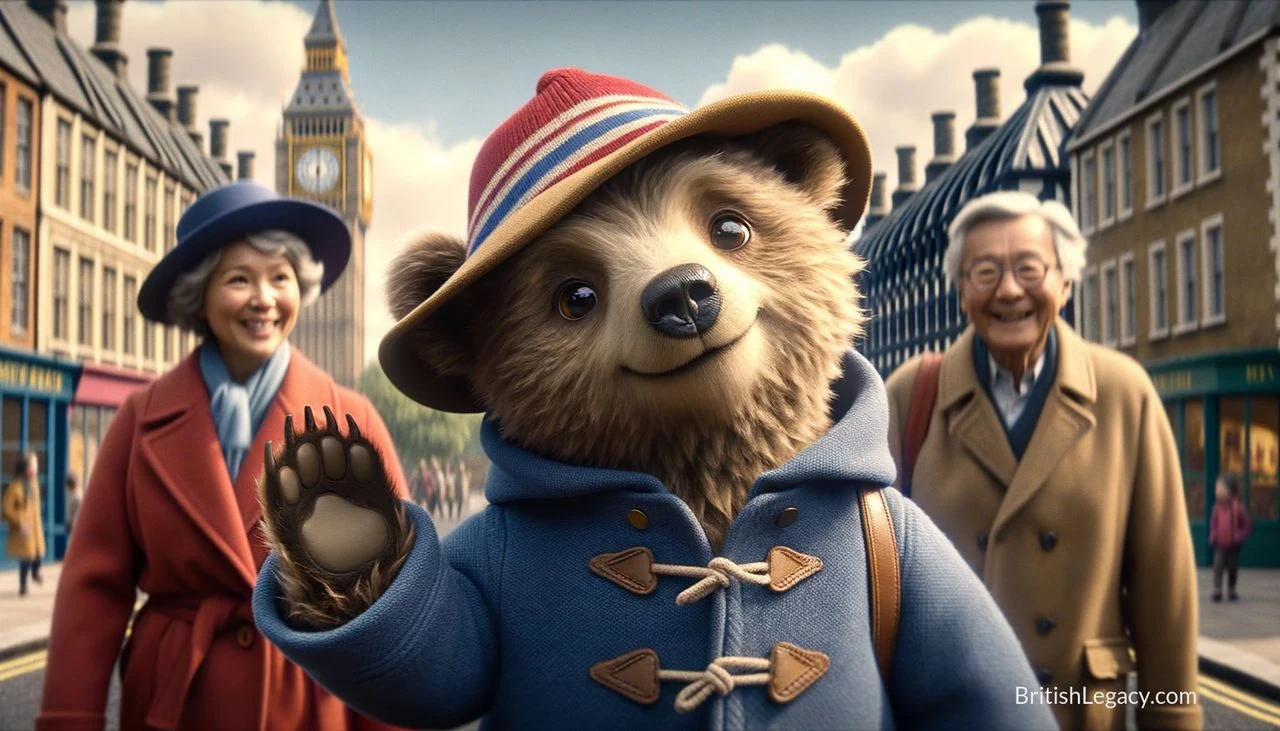
Paul King’s 2014 adaptation carried Michael Bond’s character from the page to a British-French family film about welcome, belonging and home.
Read the entry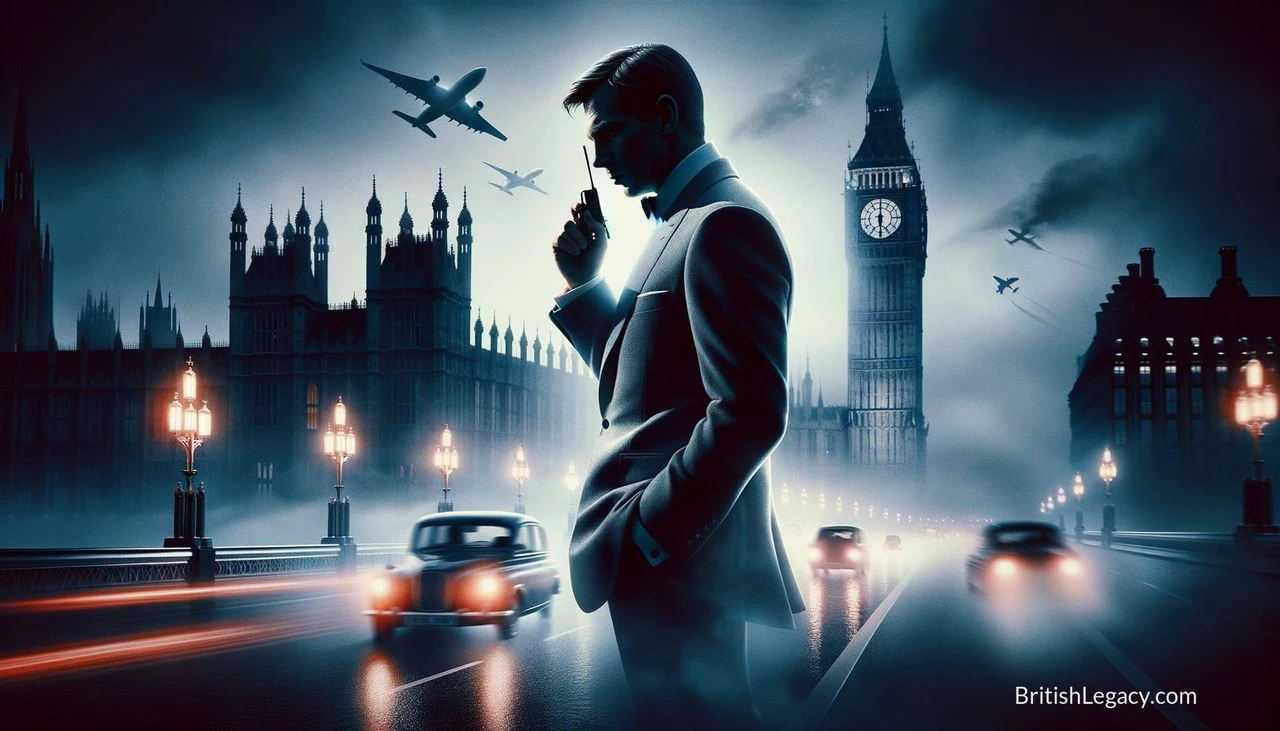
From Ian Fleming’s 1953 novel to a succession of screen portrayals, 007 has carried a stylised image of Britain into popular cinema.
Read the entry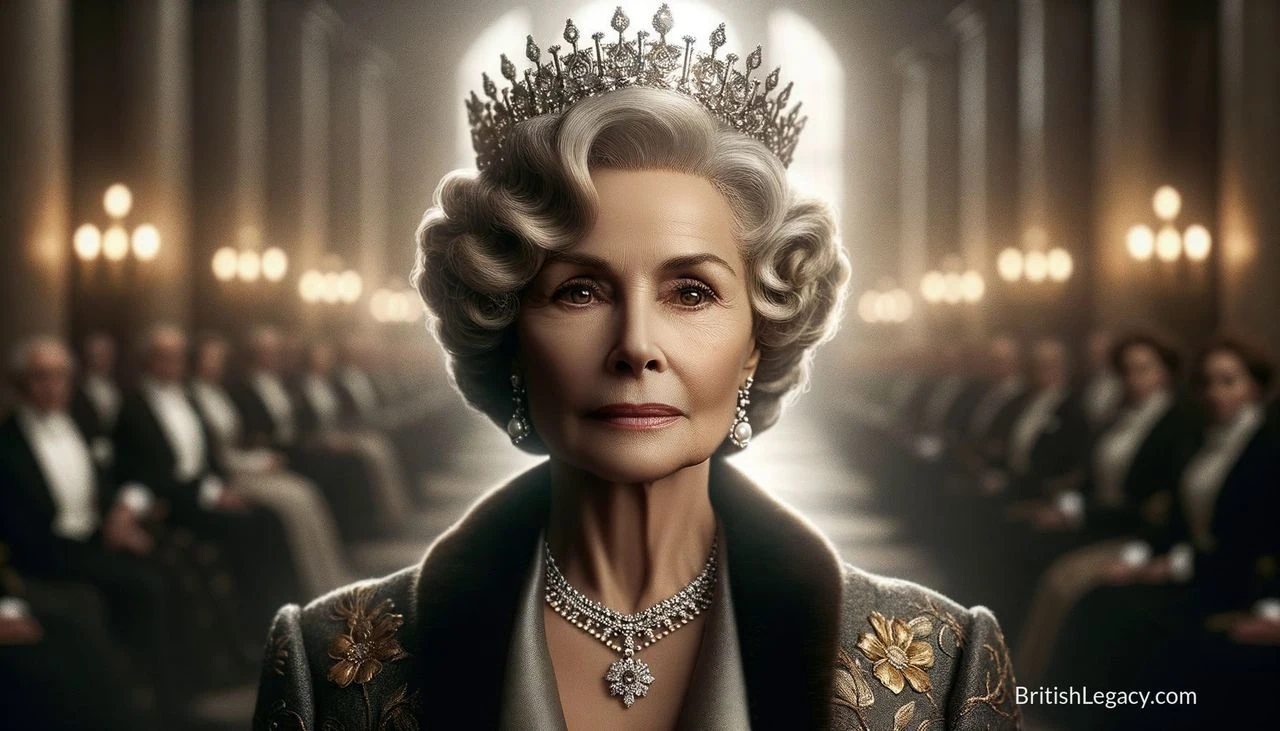
Stephen Frears’s 2006 drama follows the monarchy and the public through the aftermath of Princess Diana’s death.
Read the entry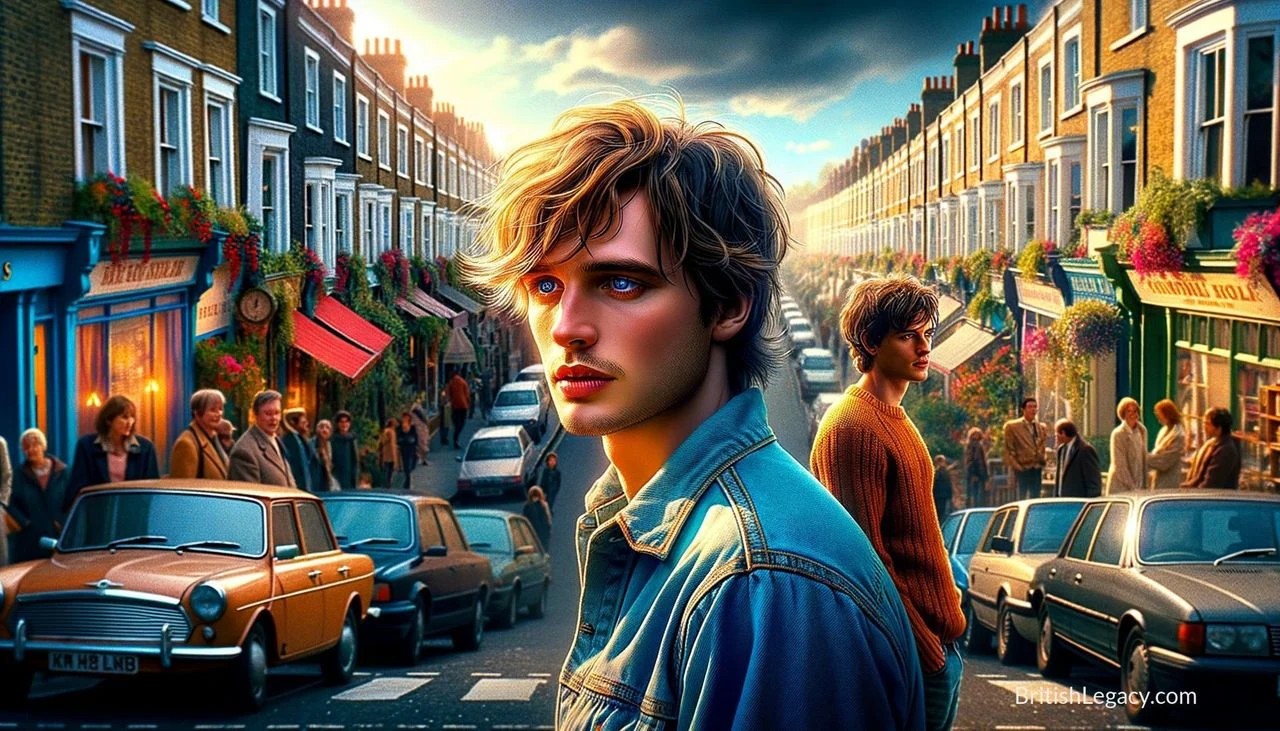
Roger Michell’s 1999 romantic comedy paired Hugh Grant’s bookseller with Julia Roberts’s film star, setting an unlikely love story among the streets and social circles of west London.
Read the entry
Eight films brought J.K. Rowling’s wizarding world to the screen, with British performers, locations and studio sets central to their production.
Read the entry
Danny Boyle’s 1996 film brought Irvine Welsh’s Edinburgh-set novel to the screen in a brash portrait of addiction.
Read the entry
Danny Boyle’s 2008 drama joined a British production team to a story set in Mumbai, winning eight Academy Awards and prompting debate about how it portrayed India.
Read the entry
Stephen Daldry’s film sets a young dancer’s ambitions against family pressures and industrial conflict in County Durham.
Read the entry
Richard Curtis’s 2003 romantic comedy brings ten interlinked stories to London in the weeks before Christmas, combining an ensemble cast with comedy, heartbreak and festive music.
Read the entry
Tom Hooper’s award-winning drama follows King George VI and speech therapist Lionel Logue, while reshaping parts of their story for the screen.
Read the entry
Sharon Maguire’s 2001 adaptation brought Helen Fielding’s candid heroine to the screen, pairing London settings and British comic writing with Renée Zellweger’s award-nominated performance.
Read the entry
Mike Newell’s 1994 romantic comedy turned a modest budget, Richard Curtis’s wedding-season observations and Hugh Grant’s nervous charm into an international success.
Read the entry
Peter Cattaneo and Simon Beaufoy’s 1997 hit turned six unemployed men’s striptease act into a story of work, fatherhood and dignity.
Read the entry
Stanley Kubrick’s 1971 adaptation of Anthony Burgess’s novel sets its violent dystopian story against a stark question: can imposed obedience count as goodness?
Read the entry
David Lean’s 1965 film brings Boris Pasternak’s Russian Revolution novel to the screen through an intimate story of love and upheaval.
Read the entry
Winston Graham’s historical novels brought Ross Poldark’s fortunes and family to life, inspiring two BBC adaptations rooted in Cornwall.
Read the entry
Rob Grant and Doug Naylor’s science-fiction comedy turned a stranded space crew into an unlikely sitcom ensemble, blending everyday appetites and rivalries with the far reaches of the universe.
Read the entry
Roy Clarke’s BBC sitcom turned one woman’s campaign for respectability into a comedy of family, status and the gap between self-image and reality.
Read the entry
BBC2’s unruly student house brought alternative comedy, surrealism and live music into the sitcom.
Read the entry
Simon Pegg and Jessica Stevenson’s Channel 4 comedy followed two flatmates, turning the frustrations of young-adult life into a fast-moving, film-aware sitcom.
Read the entry
Armando Iannucci’s four-series satire turned the rivalries of ministers, advisers and spin doctors into a restless comedy about power, pressure and political language.
Read the entry
The British supernatural comedy-drama turned a group of young offenders’ community service into a story about identity, responsibility and the complications of extraordinary powers.
Read the entry
Bryan Elsley and Jamie Brittain’s Channel 4 series followed teenagers in Bristol, pairing character-led storytelling with frank depictions of adolescence.
Read the entry
Graham Linehan’s Channel 4 sitcom turned workplace technology, social awkwardness and a neglected London office into four series of surreal comedy.
Read the entry
Neil Cross’s crime series centres on DCI John Luther, whose determination to solve cases repeatedly collides with the rules and relationships around him.
Read the entry
Damon Beesley and Iain Morris turned the humiliations of suburban sixth-form life into an E4 comedy whose characters, dialogue and two films reached a wide audience.
Read the entry
John Sullivan’s sitcom followed Del Boy and Rodney Trotter’s schemes to get rich, turning a slow start into record-breaking television and a lasting part of British popular culture.
Read the entry
Rowan Atkinson and Richard Curtis created a near-silent character whose carefully observed physical comedy travelled far beyond British television.
Read the entry
Across three ITV series, Chris Chibnall’s drama made grief, suspicion and media attention part of the mystery, with the Dorset coast setting its distinctive tone.
Read the entry
The BBC’s revival of a 1977 programme remade motoring television through car tests, studio chemistry and ambitious challenges—and later faced controversy and a prolonged pause.
Read the entry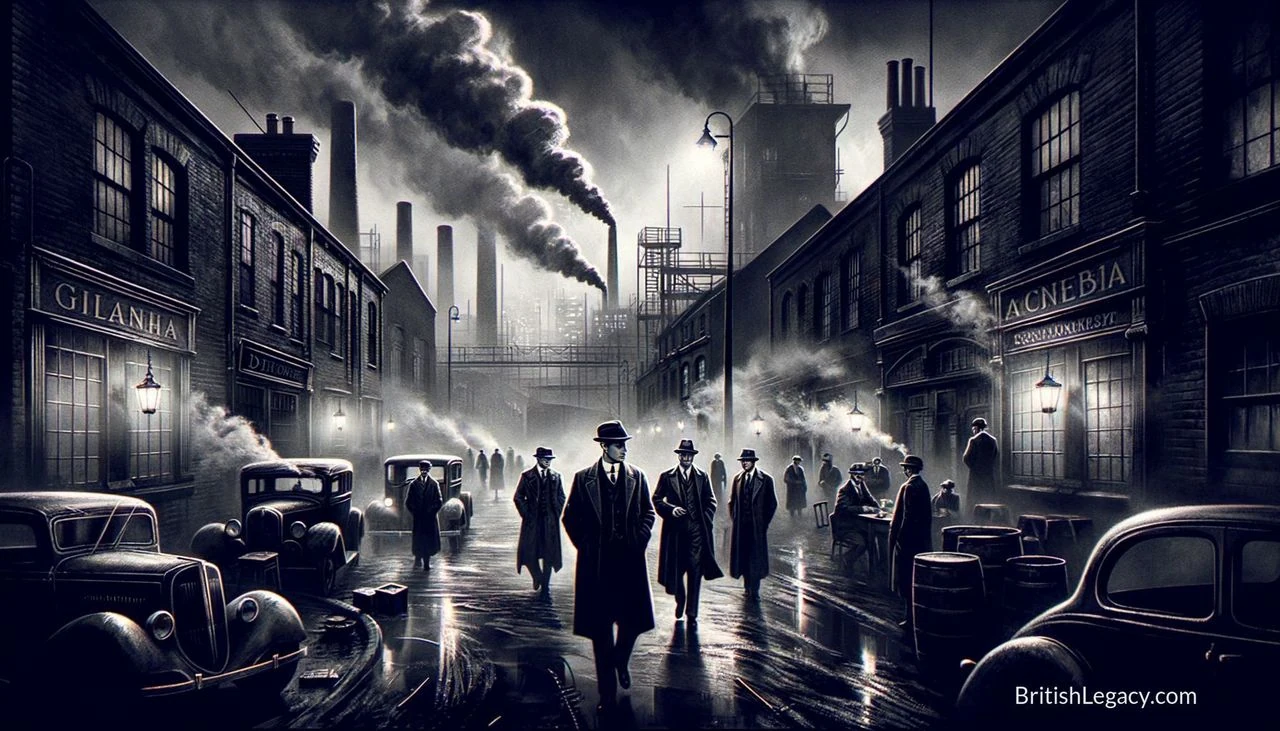
Steven Knight’s crime drama places a fictional Shelby family in post-war Birmingham, drawing on the history and style of the real Peaky Blinders.
Read the entry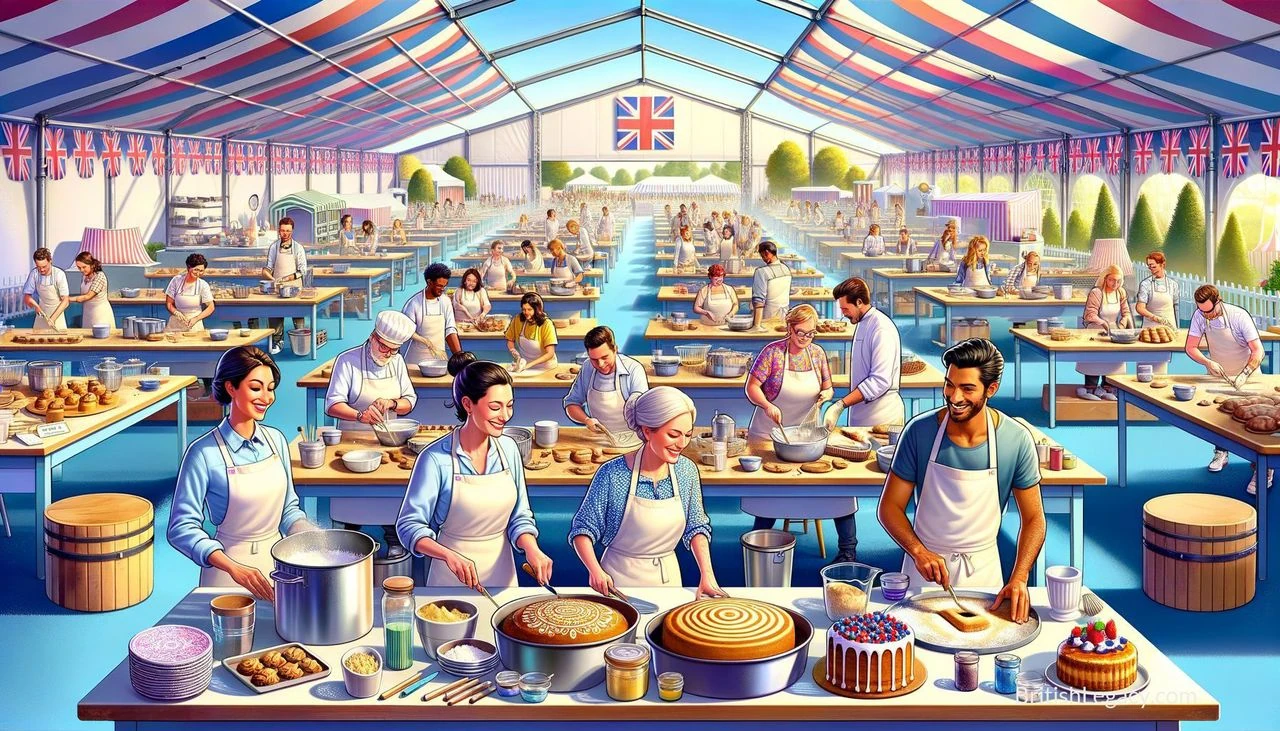
How a village-fête idea became a defining British television competition, reshaping the fortunes of home baking and travelling around the world.
Read the entry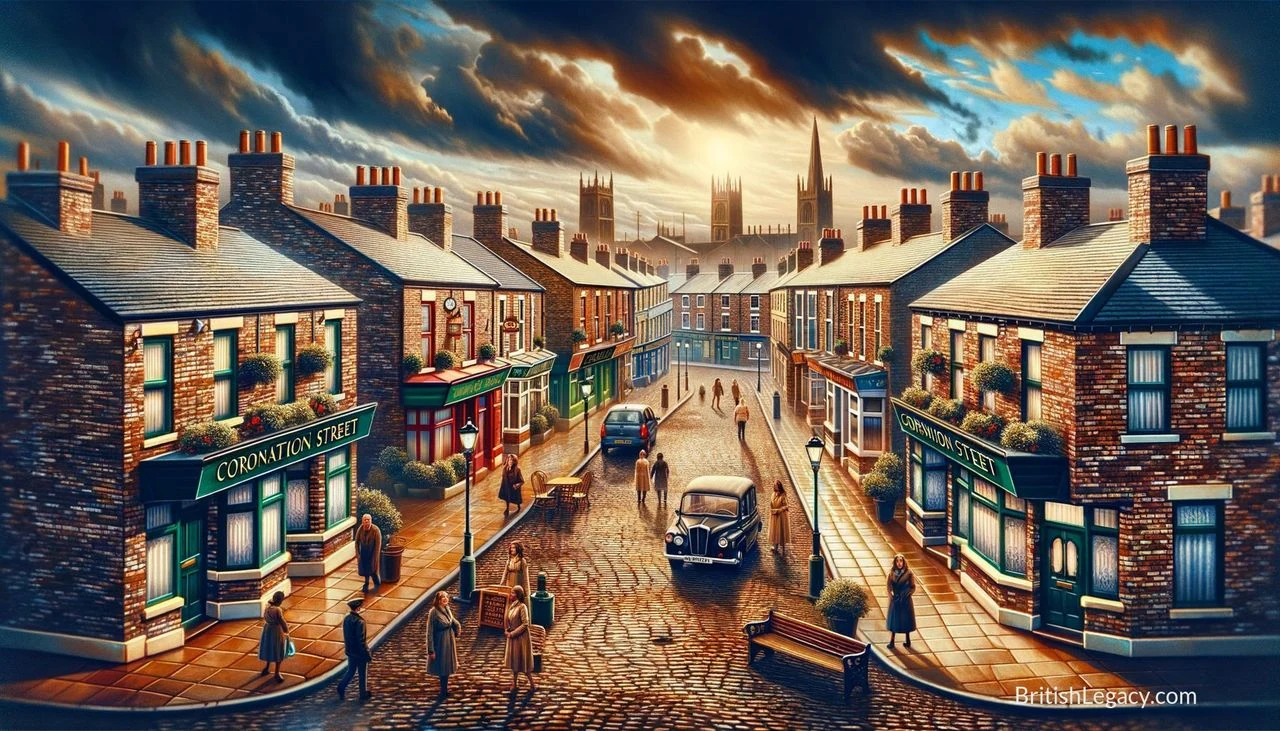
Tony Warren’s Manchester-set serial began in 1960 with everyday characters and a distinctively Northern voice. Its changing cast and storylines have made Weatherfield a lasting fixture of British television.
Read the entry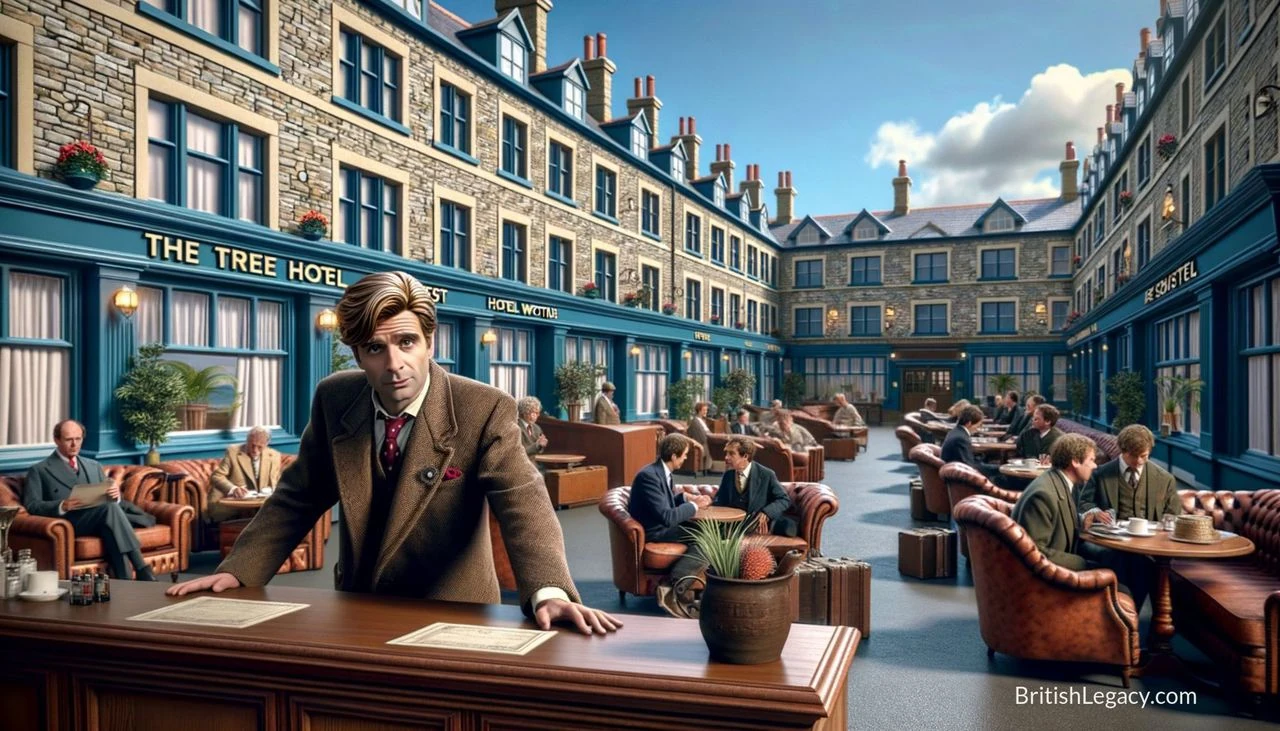
John Cleese and Connie Booth’s twelve-episode BBC sitcom turned the daily disorder of a Torquay hotel into a precise comedy of class, temper and social embarrassment.
Read the entry
Since 1985, the BBC soap has made the fictional East End community of Walford a stage for family drama, changing social issues and landmark British television moments.
Read the entry