
From Bletchley Park to the foundations of computer science, Alan Turing changed how Britain understood computation—and was later pardoned for a conviction rooted in the persecution of gay men.
Read the entry →
From a proposal at CERN to a web built on open standards, the British computer scientist’s work changed how information could be connected and shared.
Read the entry →
From colour photography to the theory of electromagnetic waves, Maxwell’s work helped shape modern physics and the foundations of communications.
Read the entry →
The English mathematician and engineer designed mechanical calculators and a programmable engine decades before either could be built as he intended.
Read the entry →
Her notes on Charles Babbage’s unbuilt Analytical Engine set out a method for calculating Bernoulli numbers and an expansive vision of what computing might become.
Read the entry →
From improvised experiments in Hastings to broadcasts across Britain and the Atlantic, Baird helped turn moving pictures transmitted by electricity into a public technology.
Read the entry →
With little formal schooling, Faraday became a leading experimental scientist whose discoveries helped lay the foundations of electrical technology.
Read the entry →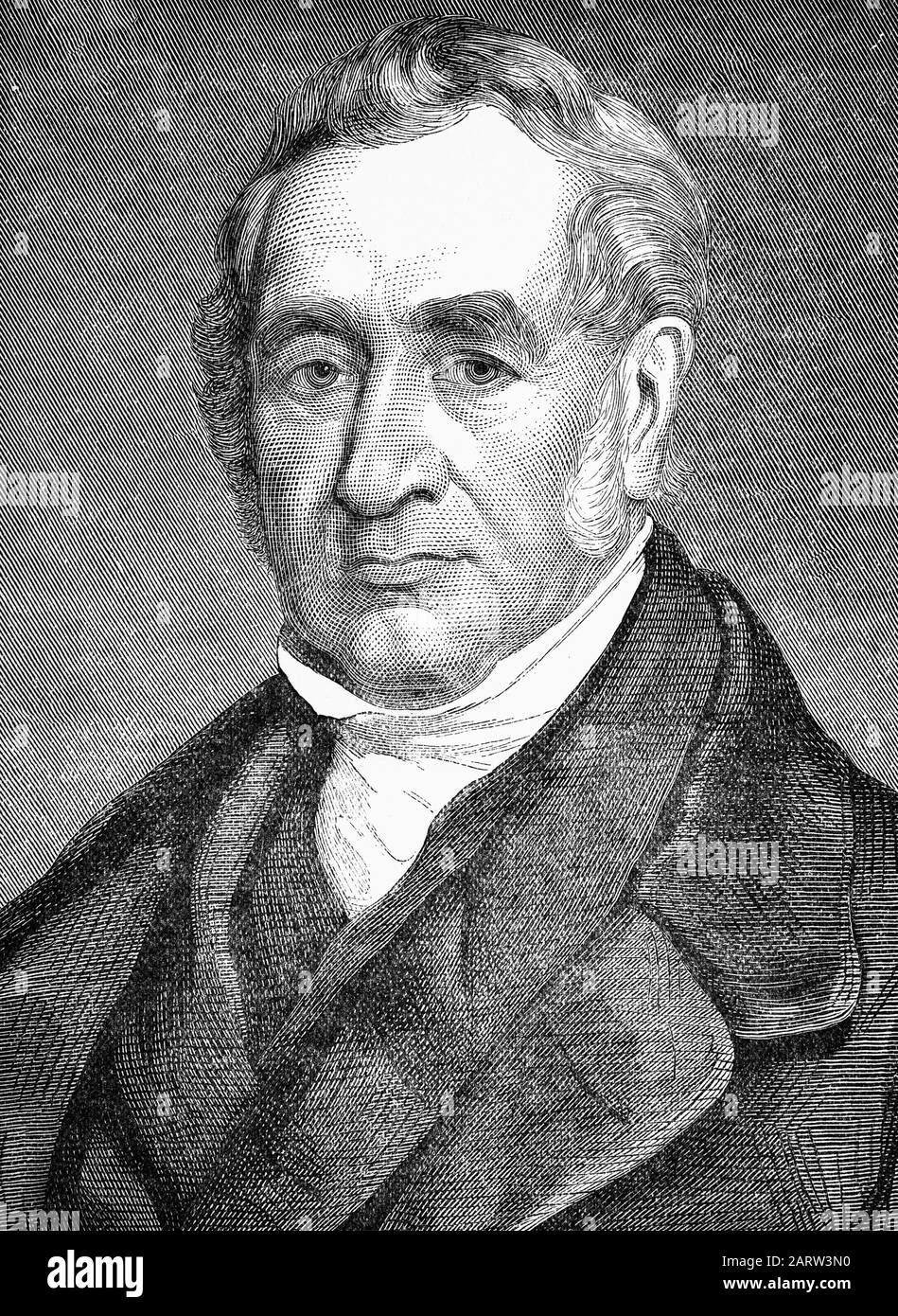
From colliery machinery in Northumberland to the Stockton and Darlington and Liverpool and Manchester railways, Stephenson helped make locomotive transport practical.
Read the entry →
The RAF engineer’s turbojet transformed aircraft propulsion, despite years of limited support and difficult development.
Read the entry →
From Edinburgh and London to the telephone, Bell’s life joined work on speech and sound with inventions that reached far beyond Britain.
Read the entry →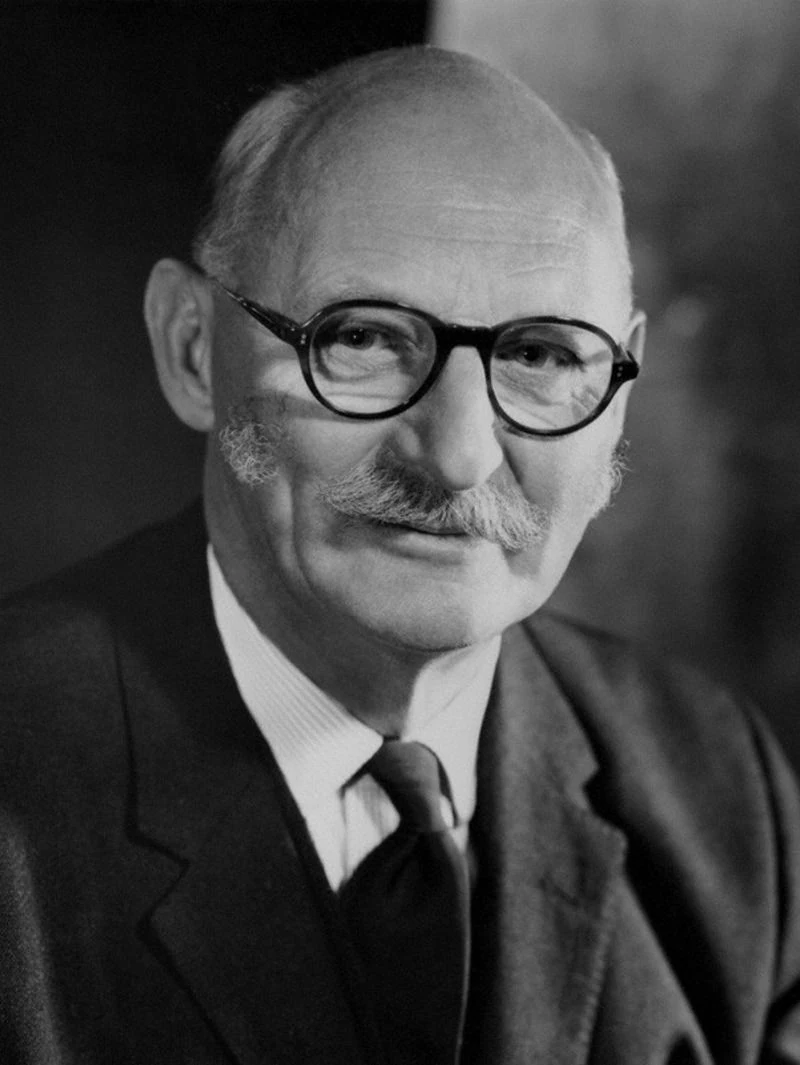
An engineer’s air-cushion principle took years to develop. In 1959, the SR.N1 crossed the Channel and made a new kind of transport tangible.
Read the entry →
The English engineer and physicist developed the Fleming valve, a key component in early radio, and designed the transmitter used for the first transatlantic radio transmission.
Read the entry →
From the Great Western Railway to transatlantic steamships, Brunel pursued ambitious designs whose successes and failures helped reshape Victorian Britain.
Read the entry →
From early carbon-filament experiments in the north-east to electric lighting at the Savoy, Swan helped turn a laboratory idea into a practical technology.
Read the entry →
The English inventor made steel cheaper and quicker to produce, helping establish Sheffield as a major industrial centre.
Read the entry →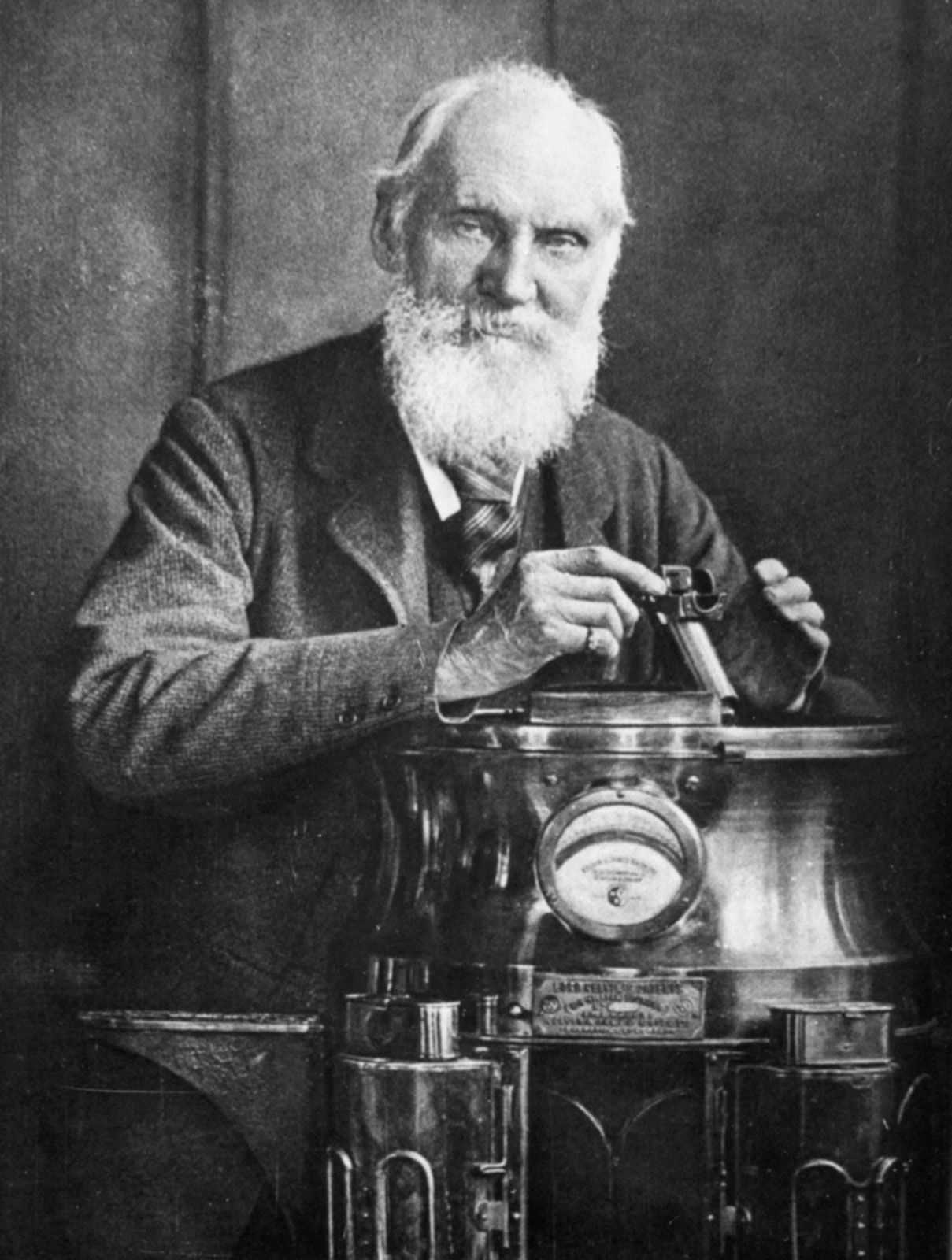
The Belfast-born physicist and engineer gave science an absolute temperature scale and helped make long-distance telegraphy more dependable.
Read the entry →
From Bristol engineering student to Cambridge professor, Paul Dirac reshaped quantum theory with an equation that predicted the positron.
Read the entry →
The Italian-born inventor built a practical wireless system in Britain, transforming communication at sea and helping shape the development of radio.
Read the entry →
A Scottish merchant and financier helped make the first successful transatlantic telegraph cable commercially viable, then built a network of submarine cable companies.
Read the entry →
The English inventor whose wind-up radio brought practical communication to places without reliable electricity.
Read the entry →
His logarithms made demanding calculations faster, while his work on decimal notation and calculating devices widened his influence.
Read the entry →
From wartime radar to science fiction and satellite communications, Clarke linked imaginative storytelling with practical visions of the future.
Read the entry →
The English scientist and inventor developed the calotype, a process that made it possible to print multiple photographs from one negative.
Read the entry →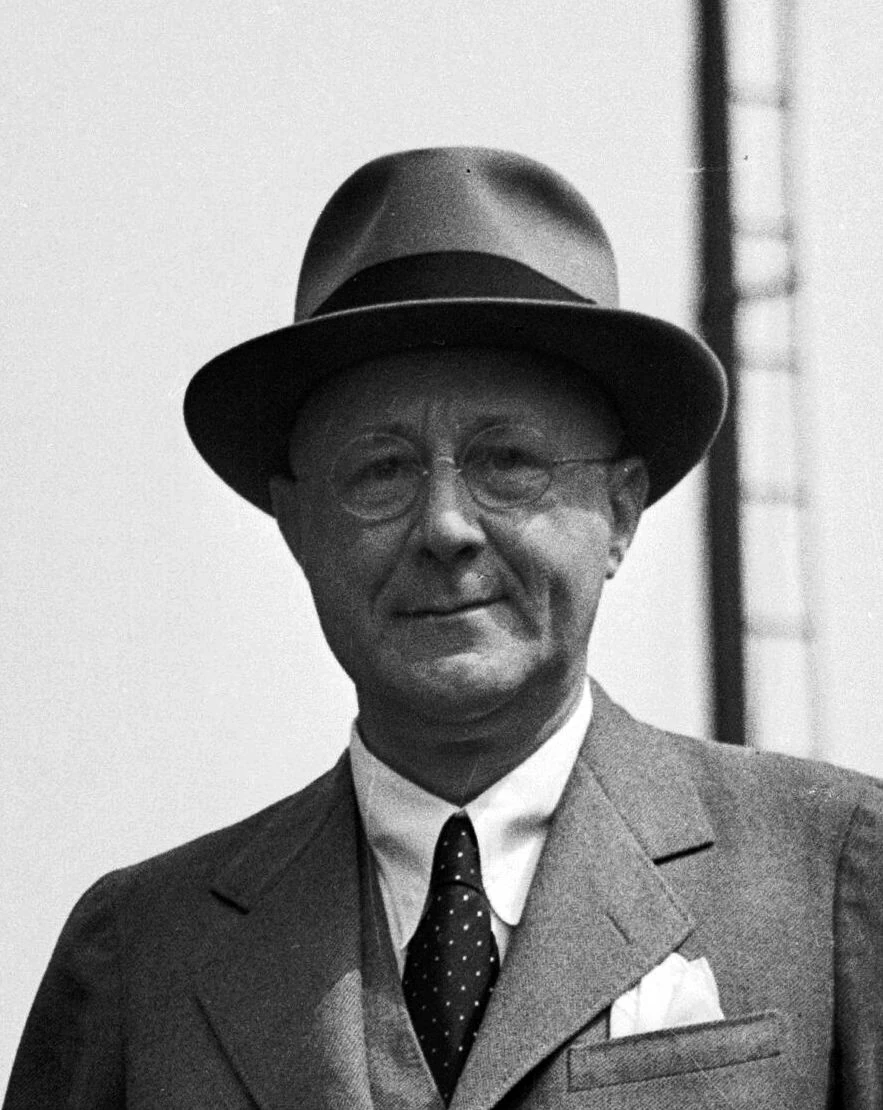
Co-founder of Technicolor, which revolutionized the film industry with color motion pictures.
Read the entry →
From telephone exchanges to Bletchley Park, Flowers applied his faith in reliable electronics to a machine that helped read Germany’s Lorenz messages.
Read the entry →
A German mathematician, Hilbert transformed algebra, geometry and mathematical logic. His work on formal systems helped shape the intellectual foundations from which theoretical computer science developed.
Read the entry →
From an experimental Birmingham workshop to theories of flight and combat, Lanchester’s work crossed several branches of engineering.
Read the entry →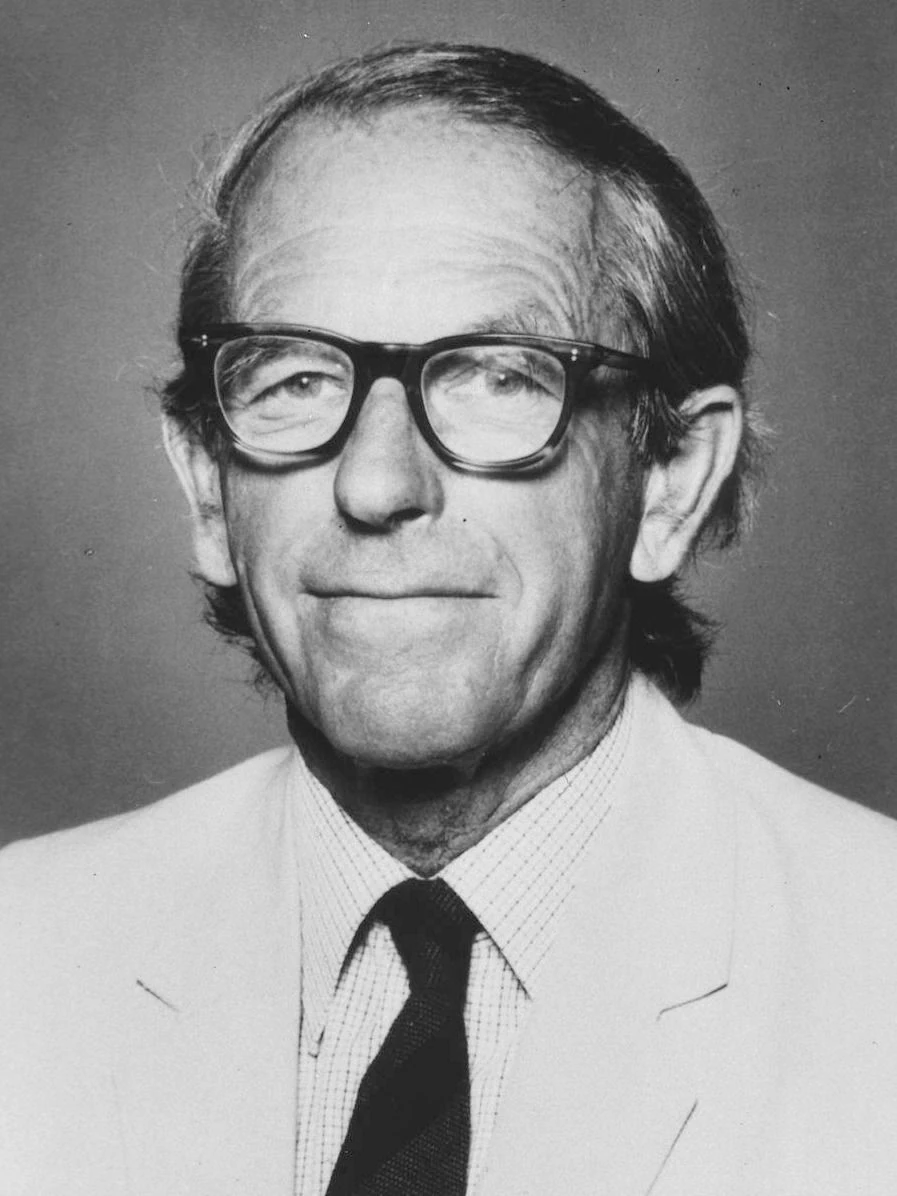
The Gloucestershire-born biochemist determined the structure of insulin and developed a practical method for sequencing DNA, winning the Nobel Prize in Chemistry twice.
Read the entry →
A chemist and physicist, Dewar used the flask that bears his name in low-temperature research and helped push the liquefaction of gases forward.
Read the entry →
From the cells of cork to the streets rebuilt after the Great Fire, Hooke joined close observation to practical ingenuity.
Read the entry →
An educator and social reformer made the case for cheap, prepaid postage, helping transform British communication and influence postal systems around the world.
Read the entry →
The Yorkshire carpenter’s precision timekeepers offered mariners a practical way to find longitude at sea.
Read the entry →
From a Woolwich workshop to the screw-cutting lathe, Maudslay helped make accurate, repeatable engineering work possible.
Read the entry →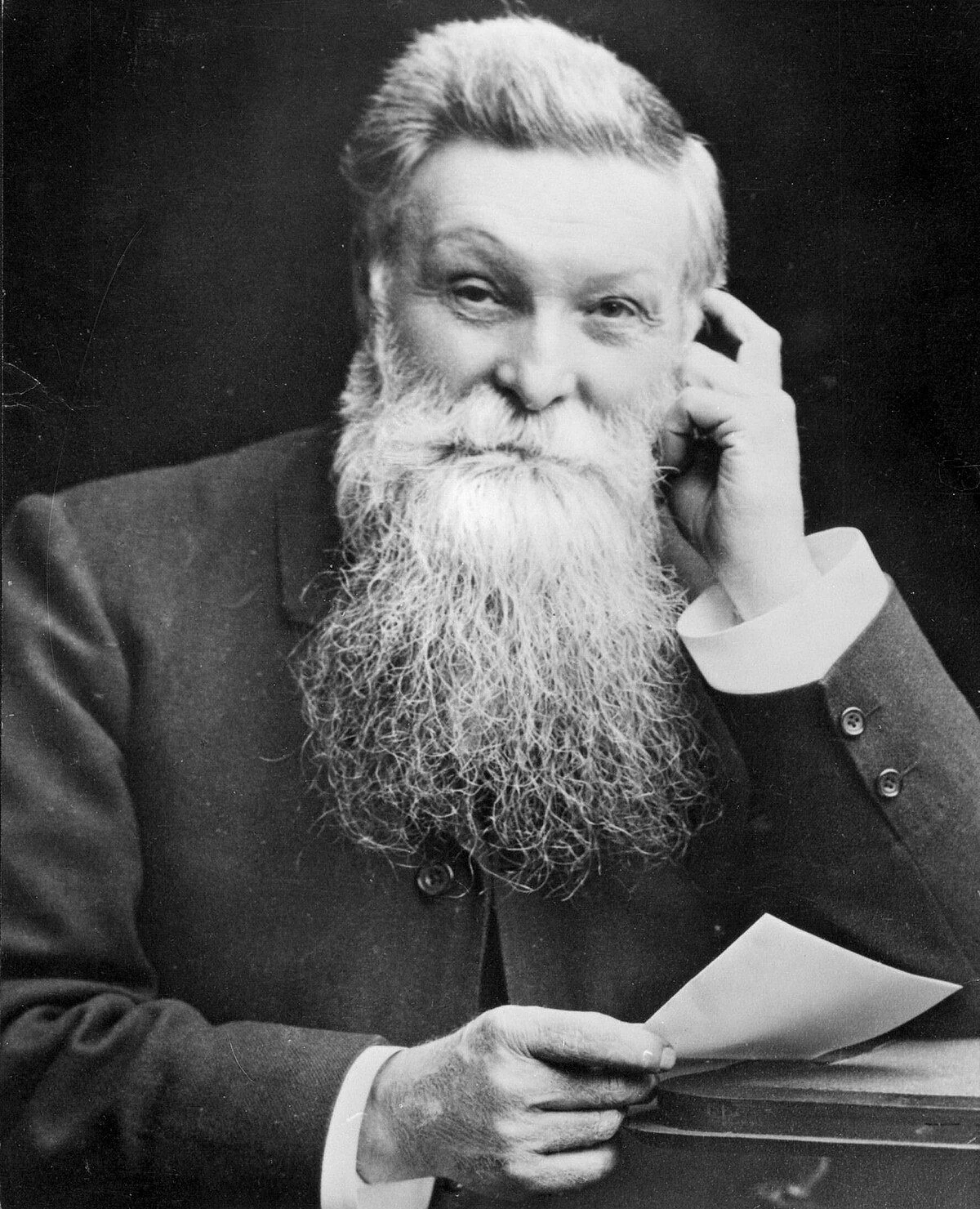
A veterinary surgeon in Ireland devised an inflatable tyre for his son’s tricycle. Its racing success helped launch a business, though the company bearing his name was chiefly another man’s creation.
Read the entry →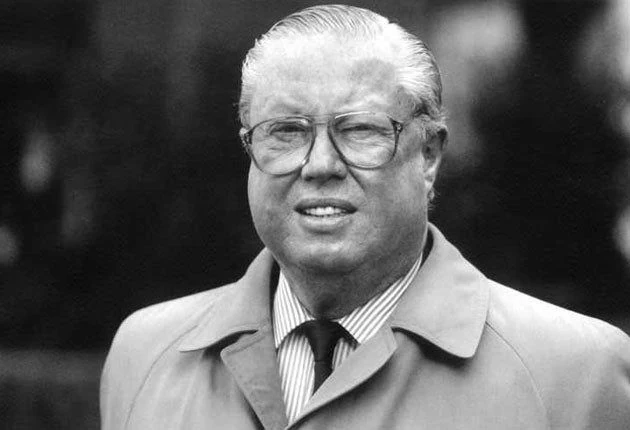
The British inventor led the team behind the first installed cash machine, a self-service device that began changing how people accessed money.
Read the entry →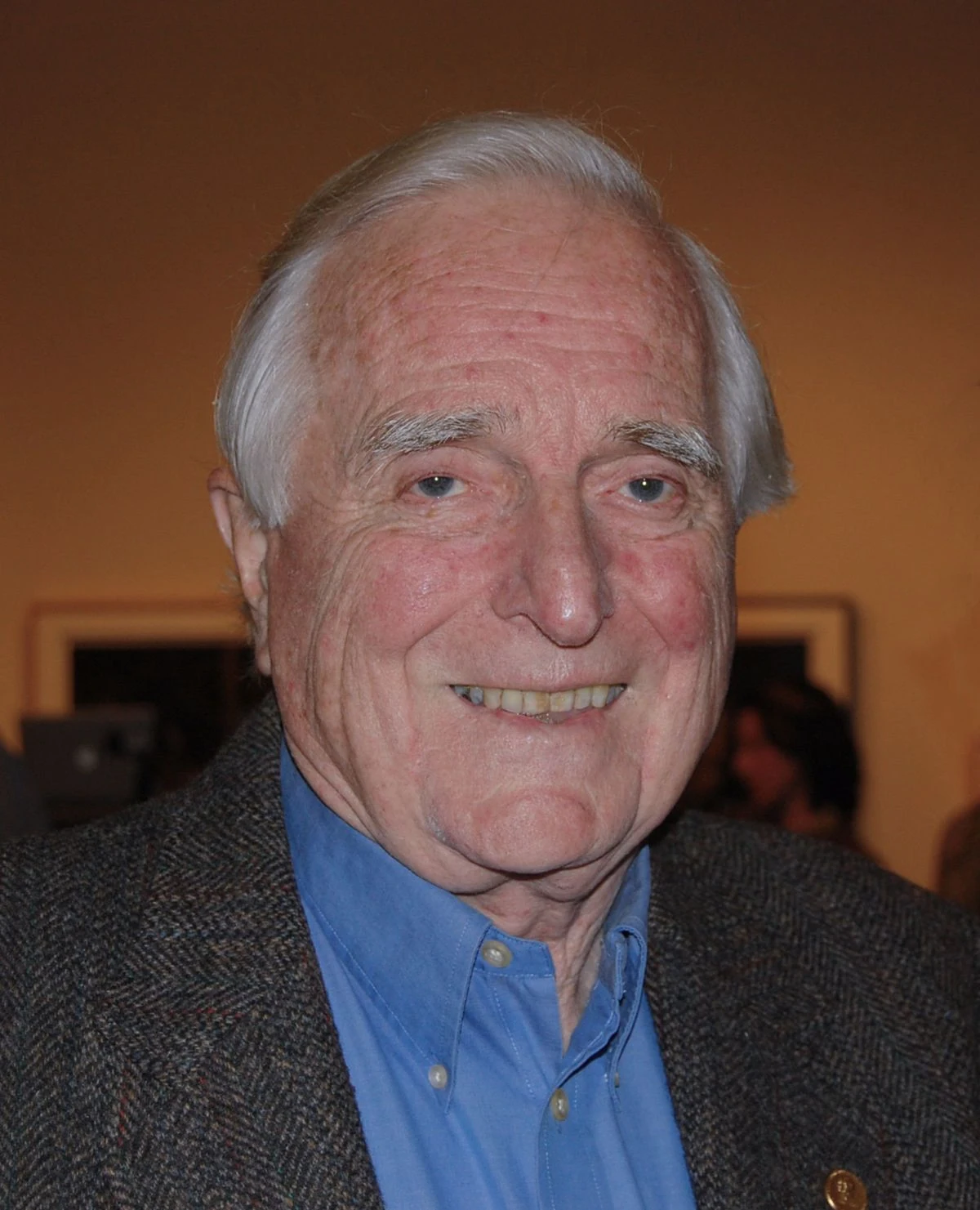
The American engineer helped develop the computer mouse and a wider vision of networked, collaborative work. A British computing honour provides a documented link to his legacy in the UK.
Read the entry →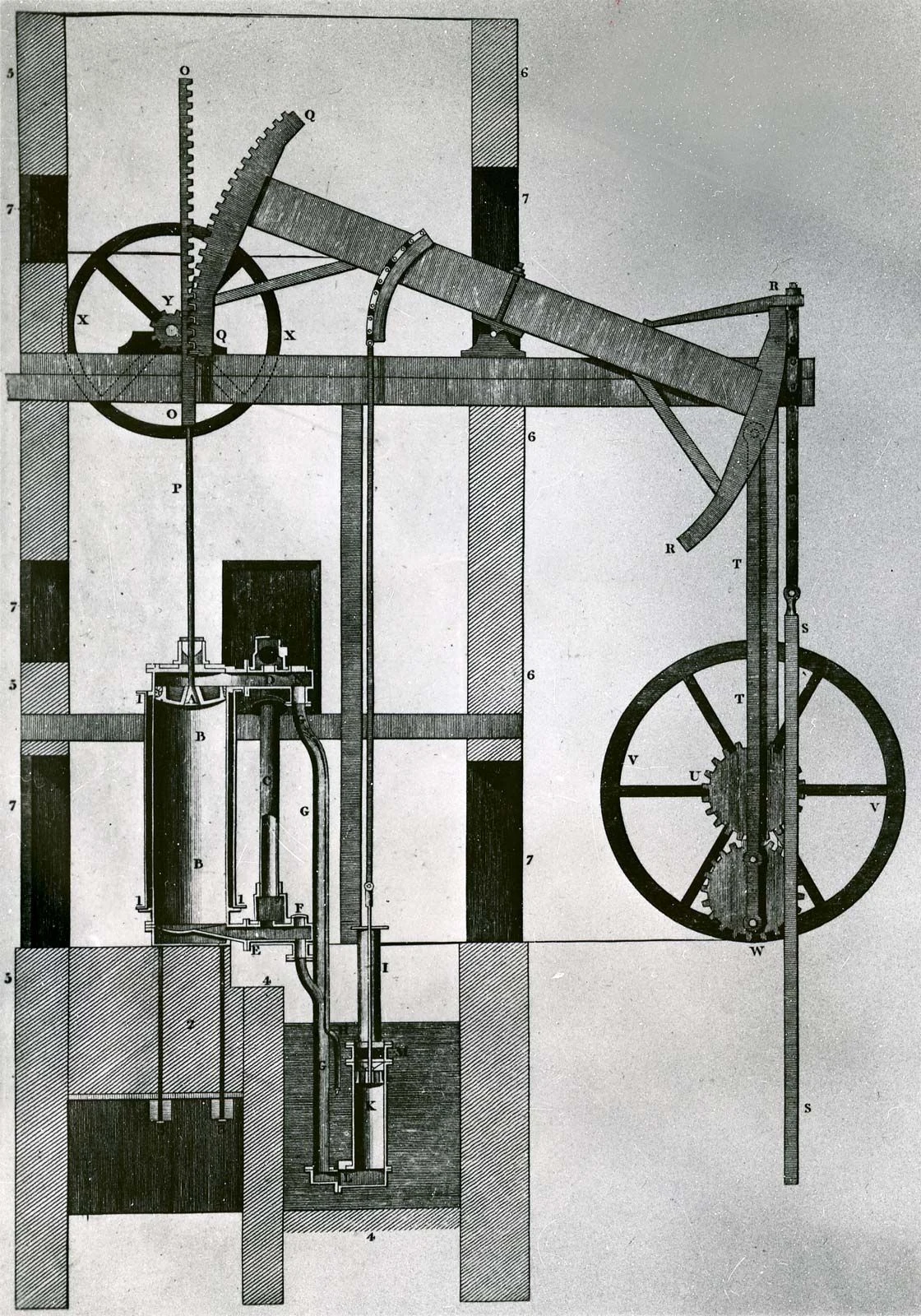
An ironmonger from Dartmouth devised a practical atmospheric engine that helped make mine drainage possible on a new scale.
Read the entry →
The Yorkshire engineer separated lift, propulsion and control, then tested his ideas through models and a human-carrying glider.
Read the entry →
A self-taught Lancashire engineer helped turn electrical science into working technology, from the electromagnet to an early direct-current motor.
Read the entry →
Born in New Zealand, MacDiarmid spent a formative year at St Andrews before a long US career and a Nobel Prize for work on conductive polymers.
Read the entry →