Founded in 1963, York grew from a small university with six departments into a broad public research institution, shaped by its collegiate system and two Heslington campuses.
Read the entry →
From the People’s Palace to a multi-faculty research university, Queen Mary’s history remains closely connected to education and medical teaching in east London.
Read the entry →
Founded as a college in 1881, Nottingham grew into a research university with campuses in England, Malaysia and China.
Read the entry →
Founded in the nineteenth century, Durham combines a collegiate structure with a historic city, a changing research mission and a long record of civic and academic life.
Read the entry →
Founded in 1965 on the outskirts of Coventry, Warwick grew through research, partnerships with industry and a campus that brings academic and cultural life together.
Read the entry →
Founded in 1451, Glasgow grew from an ecclesiastical foundation into a university shaped by the Scottish Enlightenment, industrial innovation and expanding access to higher education.
Read the entry →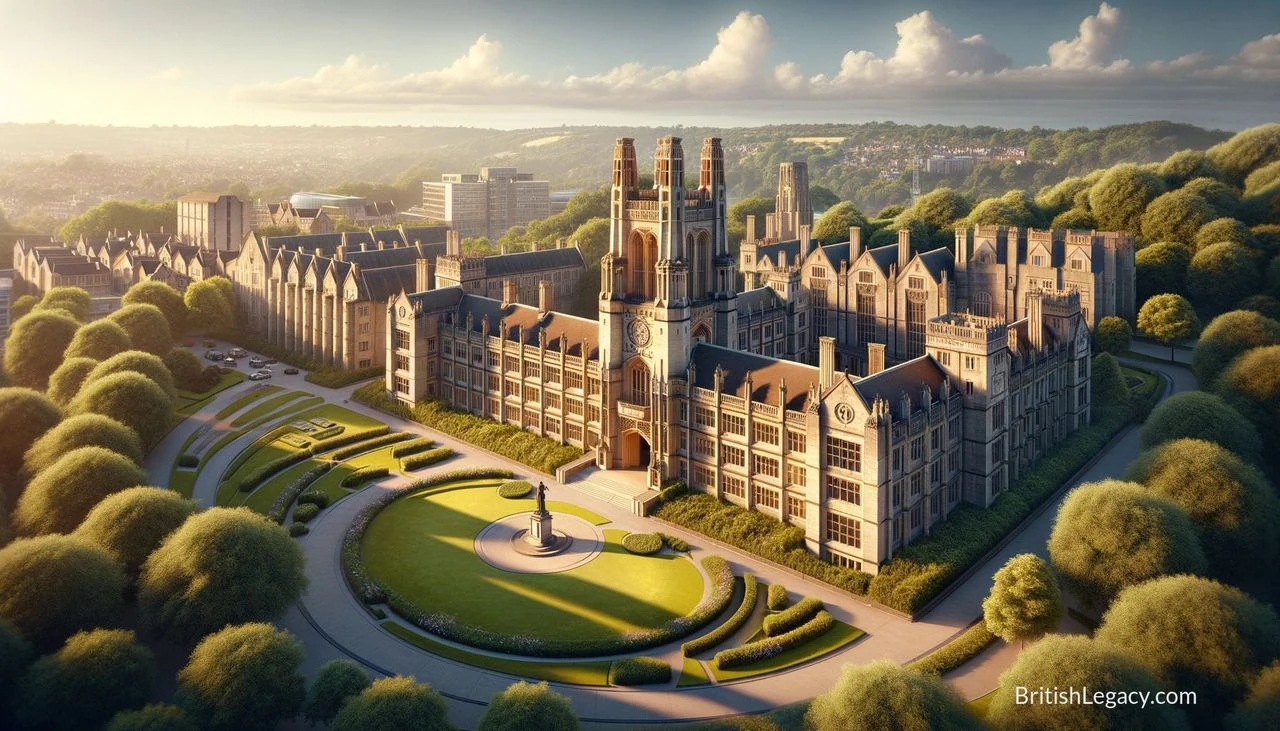
Founded as a college in 1876 and granted a royal charter in 1909, Bristol grew from several educational institutions into a major research university rooted in the city.
Read the entry →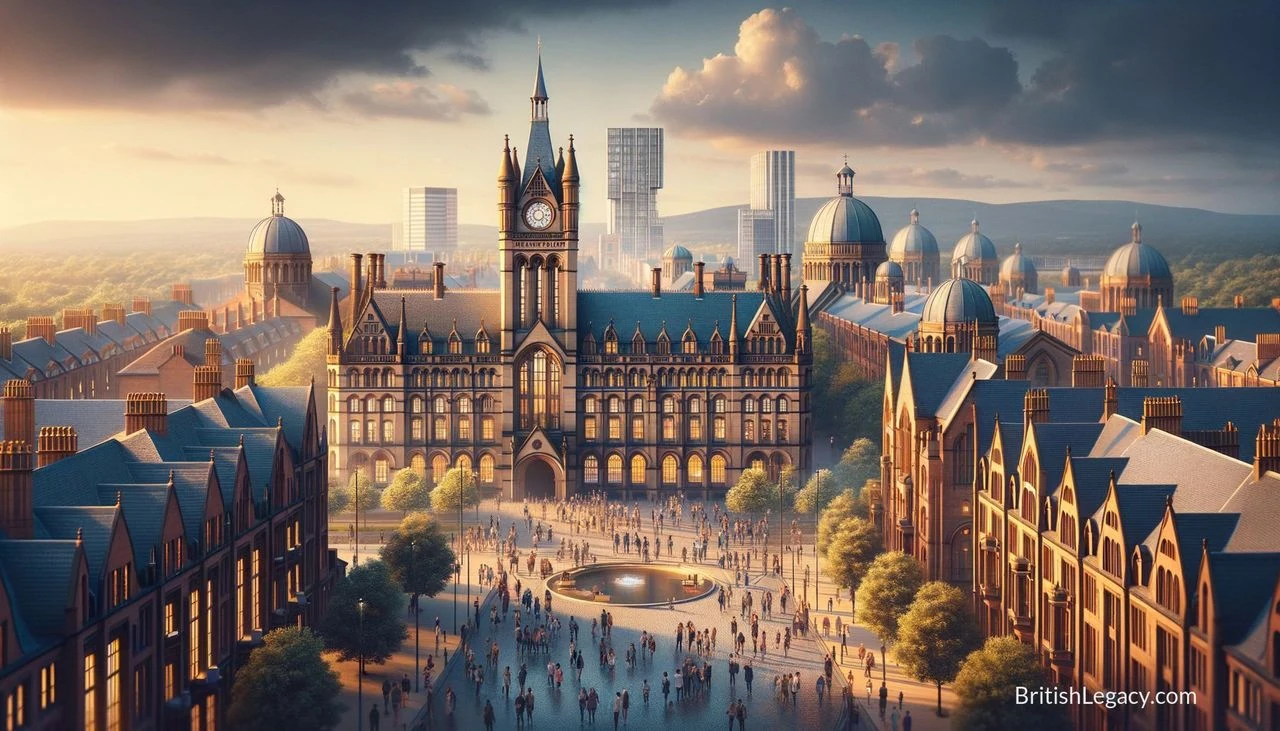
Formed in 2004 from institutions with roots in the industrial age, the University of Manchester links a long civic tradition to research, public collections and the life of the city.
Read the entry →
Founded in South Kensington and independent since 2007, Imperial has grown from specialist colleges into a London university spanning research, teaching and enterprise.
Read the entry →
Founded by royal charter in 1829, King’s grew from a Strand college into a London-wide research university, with enduring links to medicine, law and public life.
Read the entry →
Founded in 1826 as a secular alternative to England’s established universities, UCL grew into a large London research institution whose history includes both educational access and a reckoning with eugenics.
Read the entry →
Founded by Edinburgh’s town council and opened in 1583, the university helped shape the Scottish Enlightenment and continues to connect research, education and the life of the city.
Read the entry →
Founded in 1895, LSE grew from a Fabian Society initiative into a London institution focused on economics, politics and the wider social sciences.
Read the entry →
A royal garden begun in 1759 grew into a centre for botanical collections, research, education and conservation, with work that reaches beyond its south-west London grounds.
Read the entry →
Founded in 1209, Cambridge grew from a community of scholars into a collegiate university whose teaching, research and graduates have shaped British and international life.
Read the entry →
From medieval teaching to a modern collegiate research university, Oxford has shaped British education, public life and scholarship for centuries.
Read the entry →
Founded in 1895 by Octavia Hill, Sir Robert Hunter and Hardwicke Rawnsley, the National Trust now protects historic places and landscapes across England, Wales and Northern Ireland.
Read the entry →
Founded to improve navigation, Greenwich became a centre of astronomy and timekeeping. Its meridian shaped global mapping, while its historic buildings now welcome visitors.
Read the entry →
Founded during the First World War to document Britain’s war effort, Imperial War Museums has grown into a five-site national institution preserving military and civilian experiences of conflict since 1914.
Read the entry →
Founded in London in 1799, the Royal Institution has combined scientific research with a long tradition of public education, from the work of Humphry Davy and Michael Faraday to the Christmas Lectures.
Read the entry →
Three theatres have stood on the Covent Garden site since 1732. Today’s Royal Opera House brings opera, ballet and music together in a building reshaped for modern performance.
Read the entry →
From Tate Britain on the Thames to Tate St Ives in Cornwall, the four galleries bring British art and international modern and contemporary work into public view.
Read the entry →
Founded in 1934, the British Council connects people in the UK and other countries through cultural relations, education and community initiatives.
Read the entry →
In South Kensington, the Science Museum brings historic objects together with interactive galleries, educational activities and exhibitions that connect science with public life.
Read the entry →
Founded in 1824, the National Gallery grew from a government purchase of 38 paintings into a public collection spanning centuries of European painting.
Read the entry →
Founded in 1768, the Royal Academy brings artists and the public together through art education, exhibitions and debate.
Read the entry →
Founded as an independent national institution in 1973, the British Library brings together more than 170 million items and connects their preservation with research and public access.
Read the entry →
Founded in 1209, Cambridge combines collegiate teaching with research, libraries and museums—and has helped shape British intellectual and public life.
Read the entry →
Teaching at Oxford is recorded as early as 1096. Its colleges, libraries and research institutions have since helped shape British education and public life.
Read the entry →
Established in 1948, the NHS reshaped healthcare in Britain around a defining principle: treatment should be based on clinical need, not a person’s ability to pay.
Read the entry →
Founded in 1660, the Royal Society helped establish a lasting home for scientific inquiry in Britain, and continues to connect research, public policy and international collaboration.
Read the entry →
Founded as a wireless company in 1922, the BBC became a chartered public broadcaster whose radio, television and digital services have helped shape British life and reach audiences worldwide.
Read the entry →
Founded by Act of Parliament in 1753 and opened to the public six years later, the Bloomsbury museum brings together global collections and difficult questions about their histories.
Read the entry →
From pigment works and reflective steel to the London 2012 Orbit, Kapoor has made sculpture alter how people see the spaces around them.
Read the entry →
From her film debut in Flirting to award-winning roles in Crash and Westworld, Newton has built an international career while speaking about identity and representation.
Read the entry →
From a low-budget London debut to Oppenheimer, Nolan has carried intricate storytelling into the heart of blockbuster cinema.
Read the entry →
From repertory theatre to acclaimed musical roles, Sheila Hancock has built a career across stage, screen and radio.
Read the entry →
From a teenage magazine and a discount record business to music, airlines and space travel, Branson built a global brand through repeated ventures and bold public challenges.
Read the entry →
From a King’s Road boutique to the miniskirt, Mary Quant helped make youthful, practical fashion a defining feature of 1960s London.
Read the entry →
From the City of Birmingham Symphony Orchestra to the London Symphony Orchestra, Rattle has joined ambitious programming with a sustained commitment to youth music.
Read the entry →