
Charles Babbage
The English mathematician and engineer who designed machines for automatic calculation and imagined programmable computing.
Read the entryThe English mathematician and engineer who designed machines for automatic calculation and imagined programmable computing.
Read the entry
Born in Edinburgh and educated in Britain, Bell carried a study of speech into the invention that transformed long-distance communication.
Read the entry
How a London bookbinder’s apprentice reshaped electricity, chemistry and public science
Read the entry
The English computer scientist who created the World Wide Web—and has spent much of his career arguing that it should remain open.
Read the entry
How a Scottish instrument maker made steam power more efficient and useful
Read the entry
From Woolsthorpe and Cambridge to the Royal Mint, Newton joined mathematical discovery to public service and reshaped the study of nature.
Read the entry
The physician from Folkestone who made the movement of blood a question of observation, experiment and proof.
Read the entry
How a Danish physicist’s Manchester years helped make the modern atom intelligible
Read the entry
At the University of Manchester, a deceptively simple experiment brought graphene into view and opened a new field of materials research.
Read the entry
The Cambridge radio astronomer who made distant aerials work together to map the universe
Read the entry
The Gloucestershire-born biochemist established the sequence of insulin and devised a method that made DNA sequencing practical, transforming biological research from his Cambridge laboratories.
Read the entry
The Oxford chemist who revealed the structures of penicillin, vitamin B12 and insulin
Read the entry
The Edinburgh-born student of speech whose telephone changed communication, while his later experiments ranged from light to flight.
Read the entry
The New Zealand-born physicist whose work at Manchester and Cambridge changed the study of matter and helped establish Britain as a centre of nuclear research.
Read the entry
A Quaker teacher gave the ancient idea of atoms a practical role in chemistry, linking measured quantities to the unseen structure of matter.
Read the entry
Educated in London and long based in Edinburgh, Peter Higgs helped frame a question that took nearly half a century to test.
Read the entry
The Scottish bacteriologist recognised penicillin’s potential at St Mary’s Hospital in London. Turning that observation into a treatment took years of work by a wider scientific team.
Read the entry
The London-born computer scientist who created the World Wide Web and has continued to argue for a more open, useful digital world.
Read the entry
The Bristol-born physicist helped shape quantum mechanics, founded key parts of quantum electrodynamics and left a lasting mark on British science.
Read the entry
The London-born chemist’s X-ray research helped clarify DNA’s structure. Her work on coal, carbon and viruses reveals a scientific career much wider than one famous image.
Read the entry
The Scottish physicist whose theories connected electricity, magnetism and light—and helped lay foundations for modern physics.
Read the entry
From the limits of calculation to Bletchley Park and early computers, Turing’s ideas and wartime work left a lasting mark on Britain and the world.
Read the entry
From a London bookbinder’s shop to the Royal Institution, Faraday used careful experiment to reshape physics and chemistry—and brought science to public audiences.
Read the entry
How a Cambridge partnership, informed by Rosalind Franklin’s X-ray evidence, revealed DNA’s double helix and changed biology.
Read the entry
Working in Glasgow, Edinburgh and London, Joseph Lister turned an explanation of infection into a practical system that made surgery safer.
Read the entry
How the founder of The Monitoring Group turned resistance to racial violence into sustained pressure for justice and police reform.
Read the entry
The Grenadian-British doctor, campaigner and peer who pressed Britain to confront racial discrimination in law, politics and everyday life.
Read the entry
How the leader of the Bristol Bus Boycott helped force a reckoning with racial discrimination in British working life.
Read the entry
How the founder of Operation Black Vote widened the routes into British public life.
Read the entry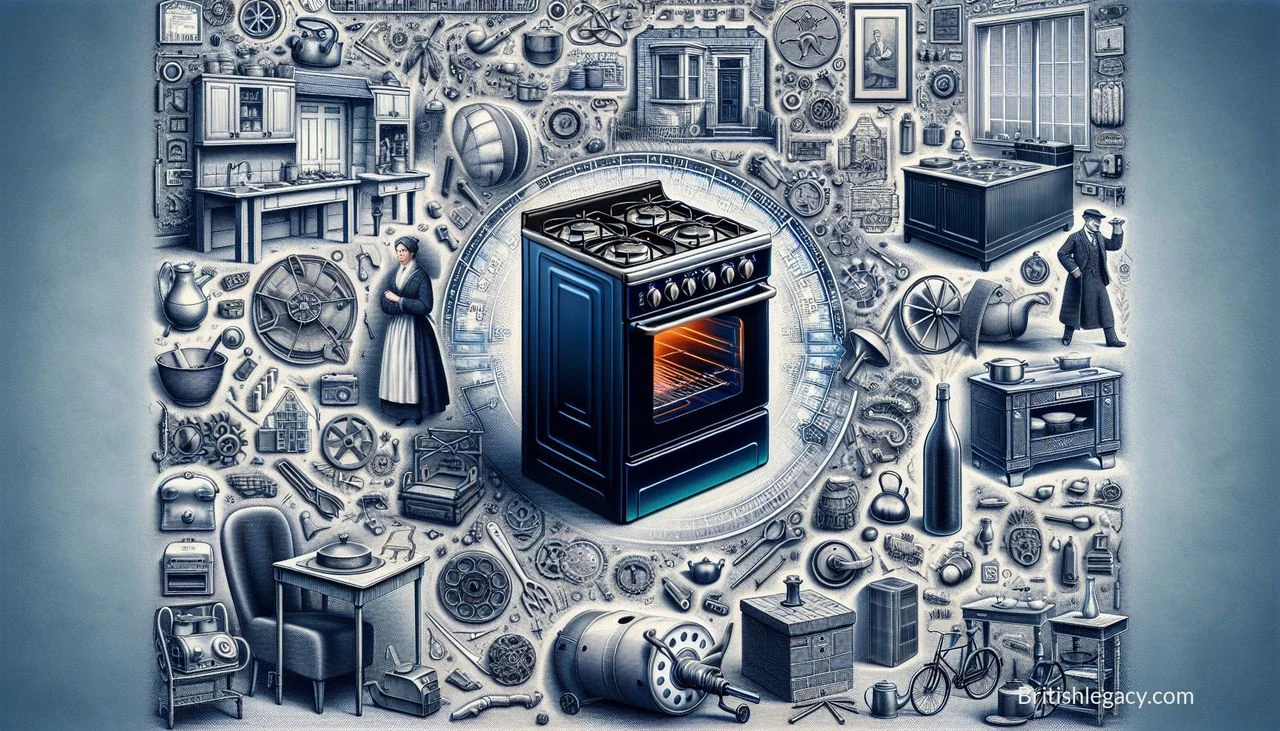
The inventor remembered for patenting the first gas oven and helping to bring controllable heat into the modern kitchen.
Read the entry
British forces were part of the final assaults on Berlin, leading to the capitulation of Nazi Germany and the end of the war in Europe.
Read the entry
British forces played a supporting role in this major German offensive, which was the last major effort by Hitler to push back Allied forces.
Read the entry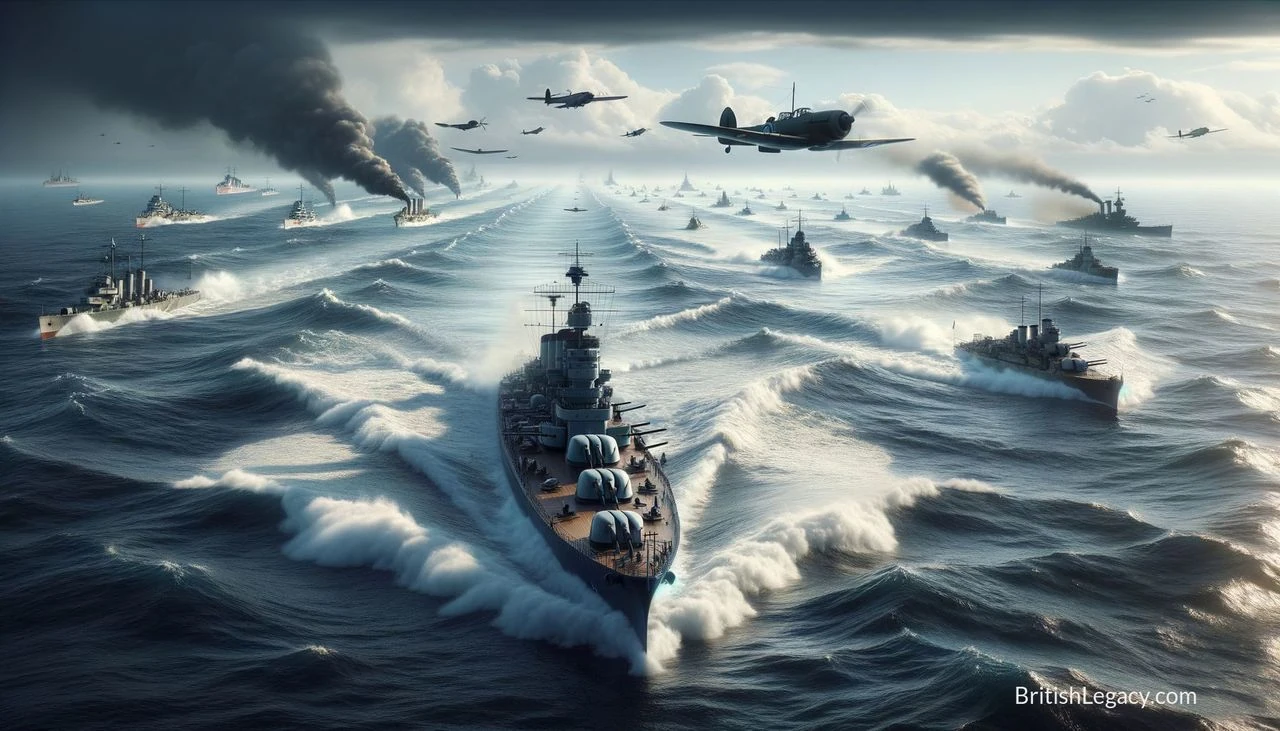
A prolonged naval campaign crucial for maintaining supply lines to Britain, involving continuous engagements and strategic naval operations.
Read the entry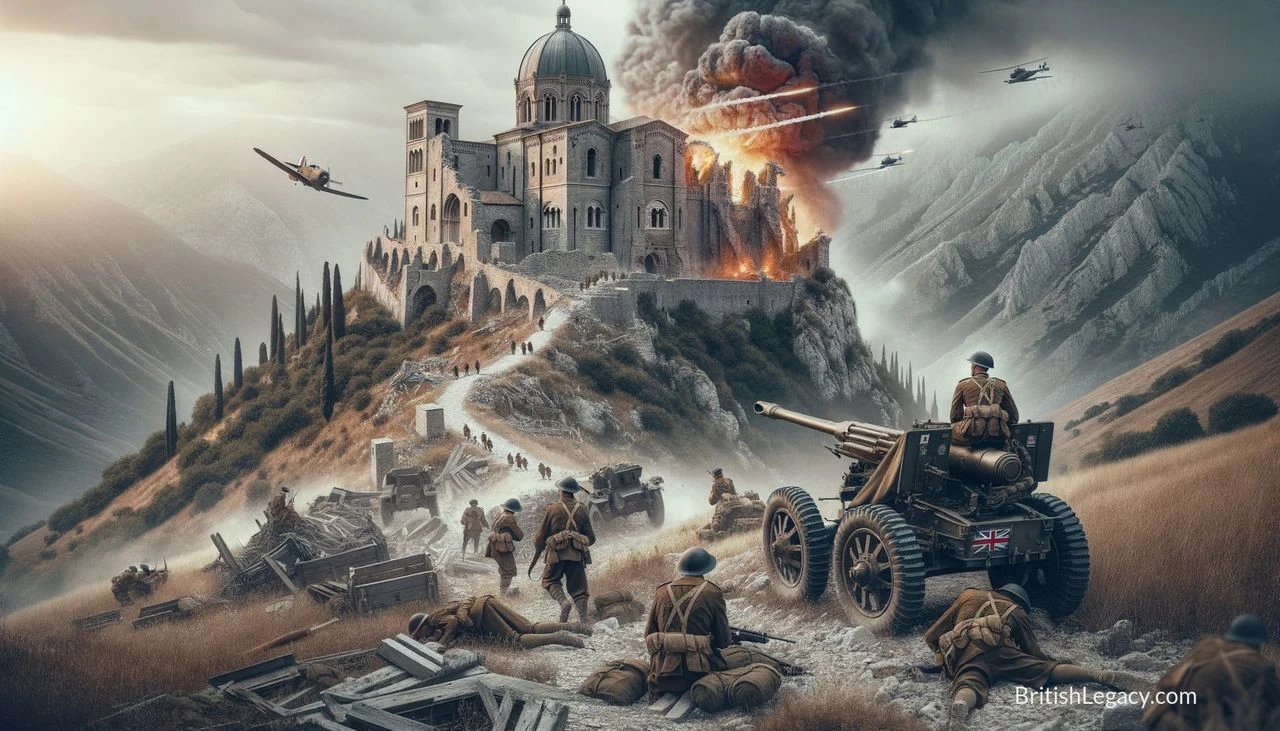
A series of harsh engagements in Italy, involving significant contributions from British Commonwealth forces.
Read the entry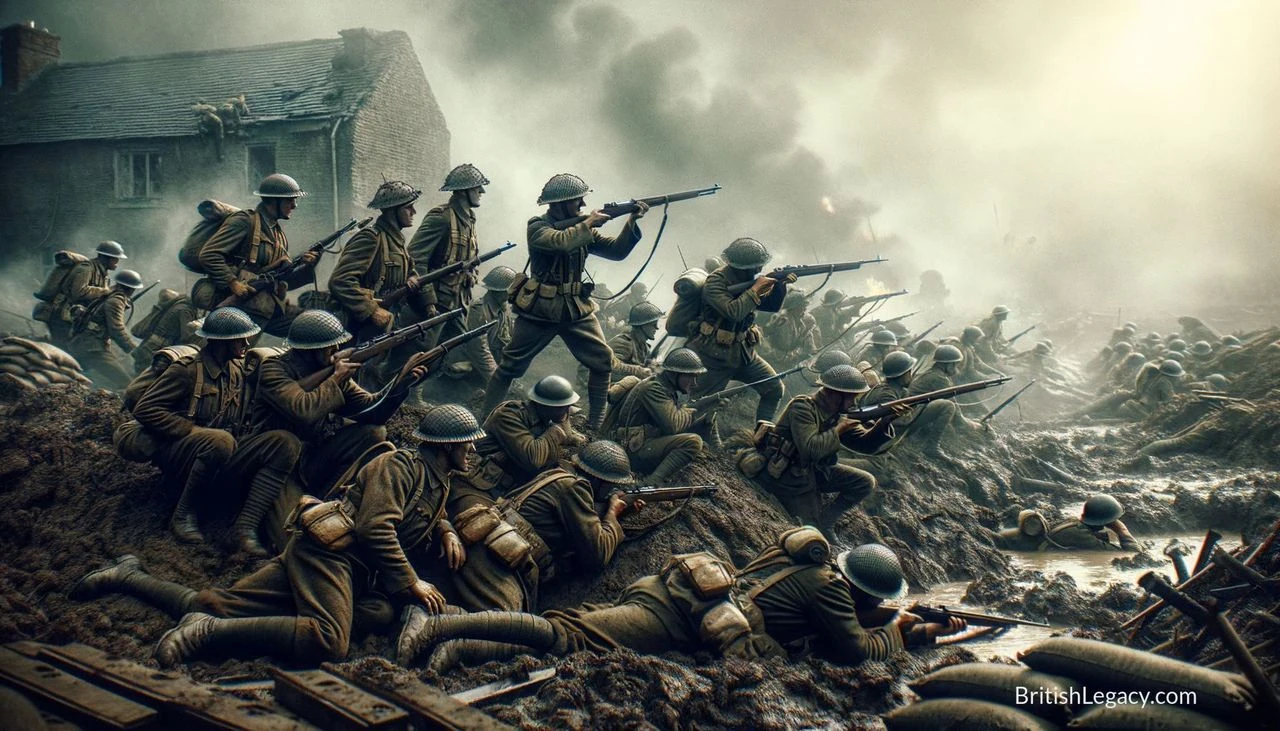
While primarily a French engagement, British Expeditionary Force played a crucial supporting role in this pivotal battle against German forces.
Read the entry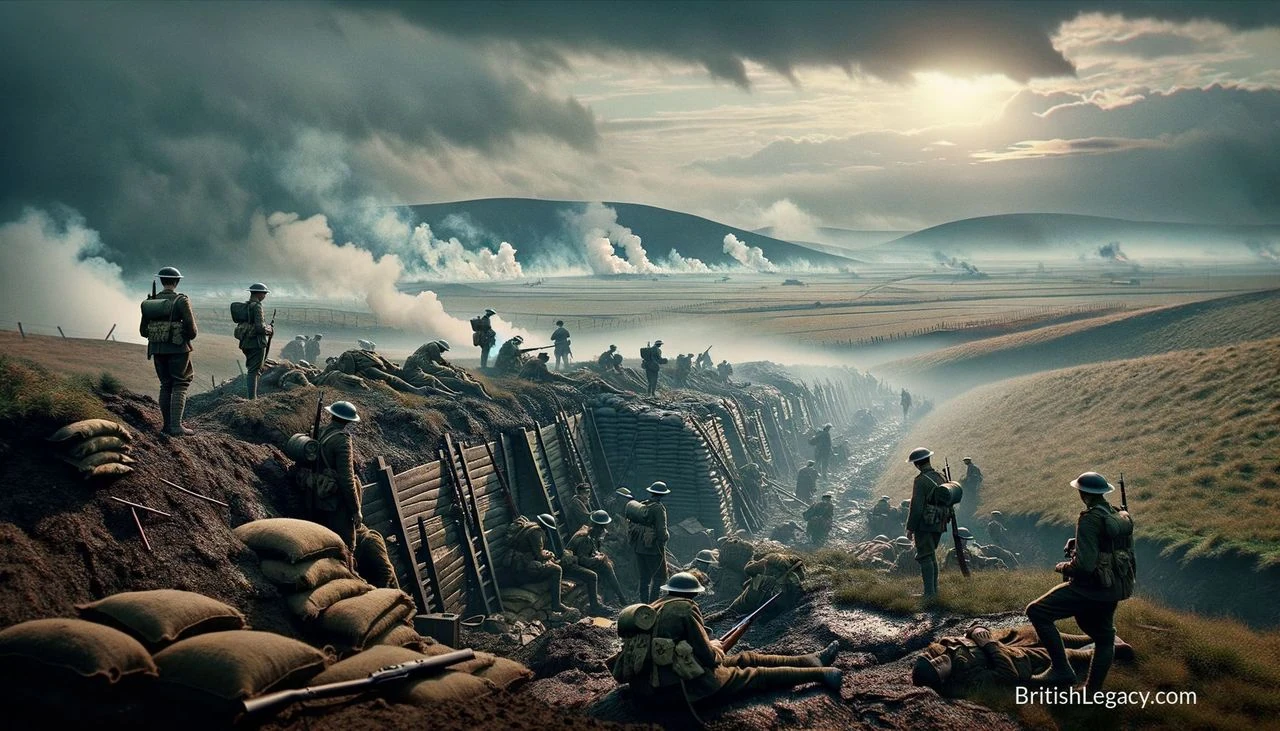
Part of the larger Artois-Loos offensive, this battle saw the first use of chlorine gas by British forces but resulted in high casualties.
Read the entry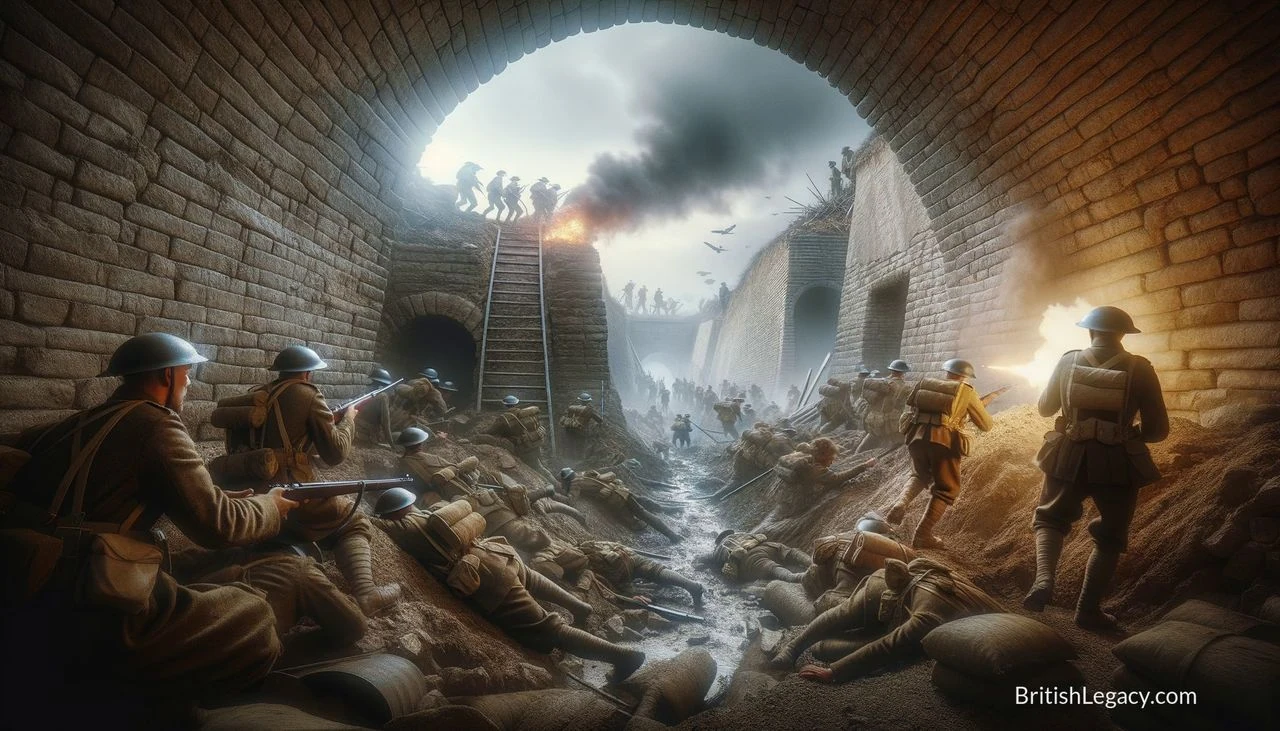
A British offensive intended to support the French forces to the south, notable for the extensive use of tunnels and a brief but intense period of combat.
Read the entry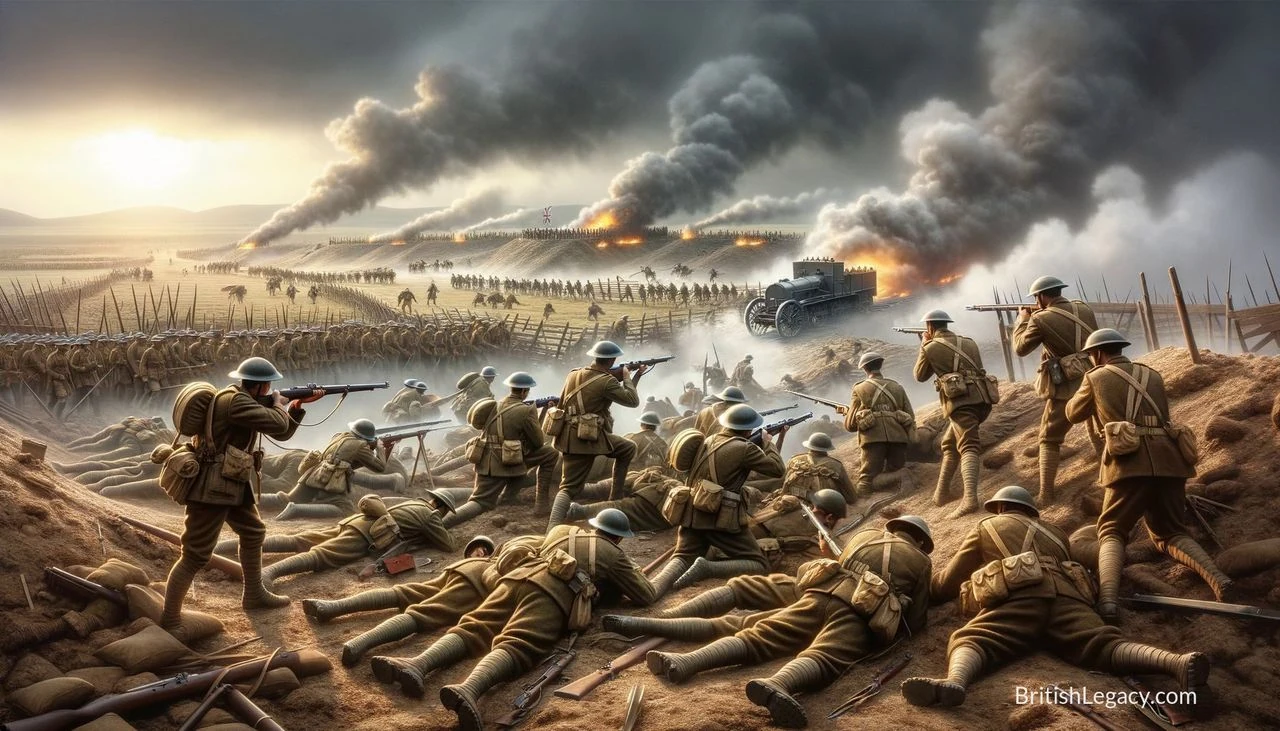
The first major action of the British Expeditionary Force in World War I, notable for the skillful defensive fighting and tactical retreat by British forces.
Read the entry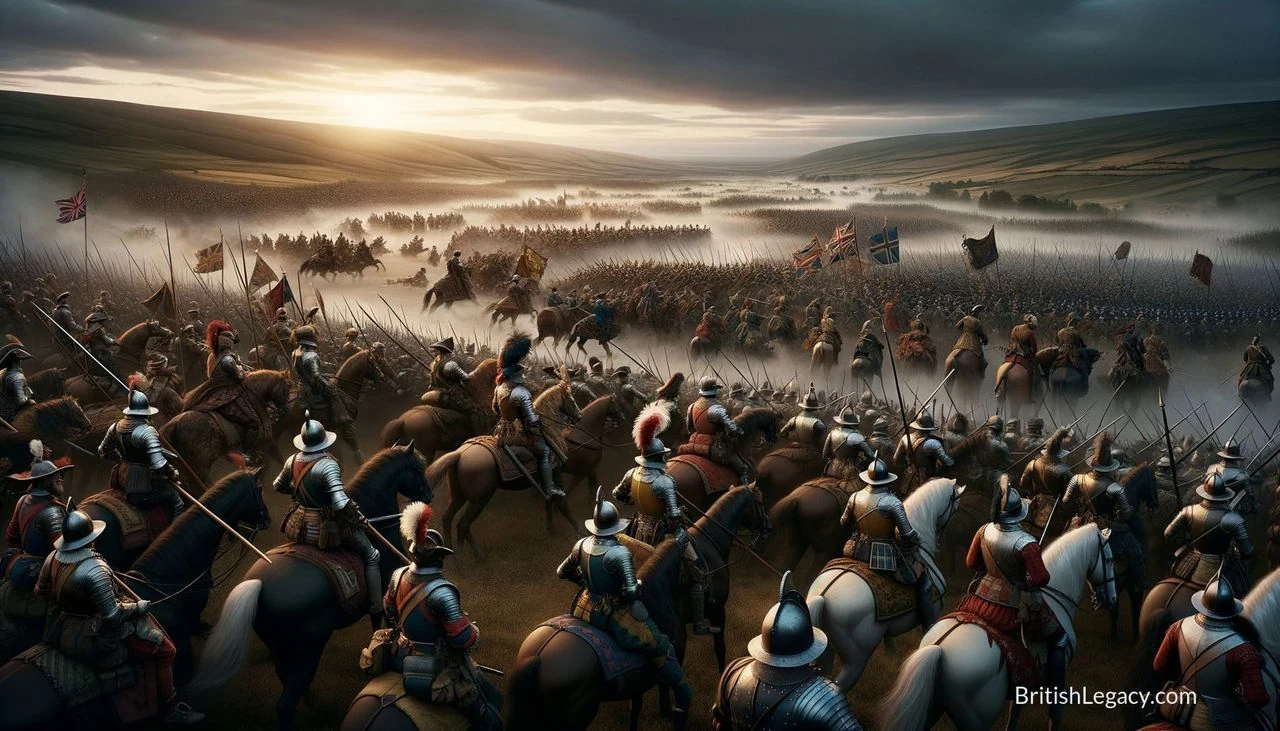
A decisive victory for the Parliamentarians, marking a turning point in the war against the Royalists.
Read the entry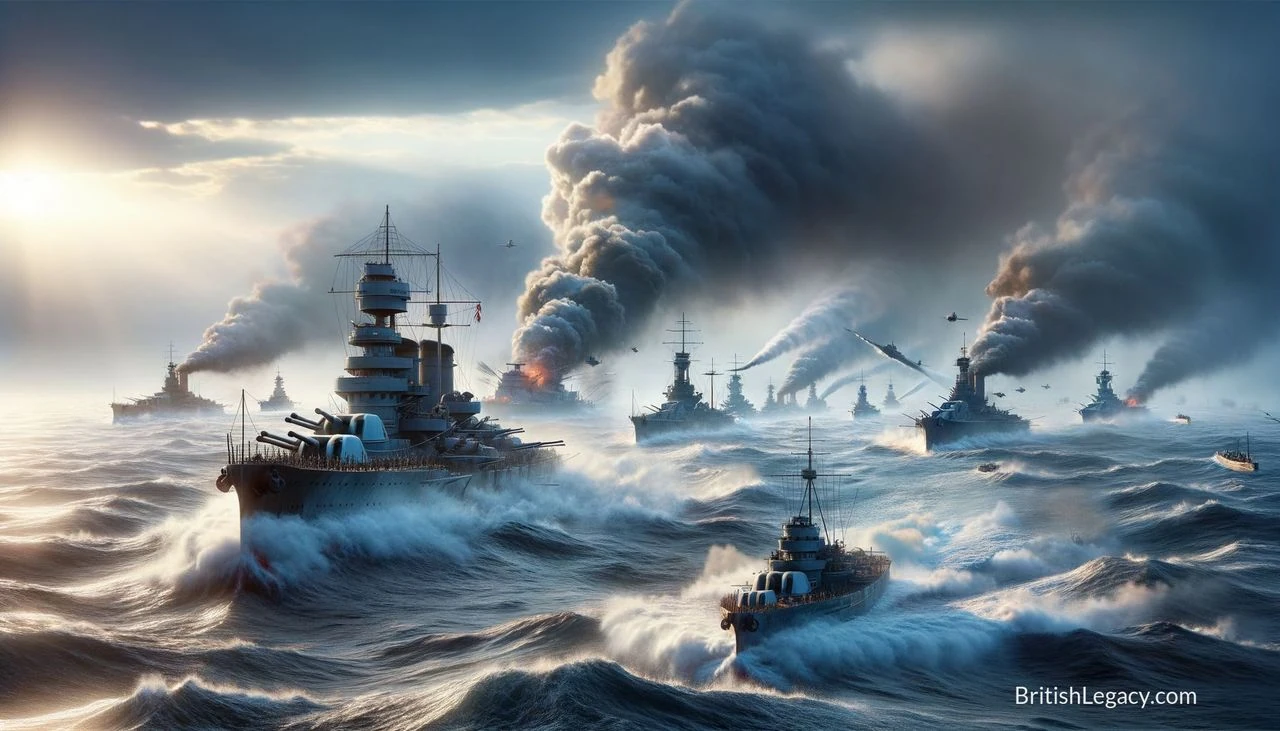
A naval battle in which British forces, as part of a larger Allied fleet, faced a decisive defeat by Japanese forces.
Read the entry